Home Blog Page 173

Americans are uninformed about and undervaccinated for HPV

Title: The Connection between HPV and Throat Cancer: Raising Awareness

The Connection between HPV and Throat Cancer: Raising Awareness

Introduction:

Studies have revealed a strong correlation between Human Papillomavirus (HPV) and throat cancer, yet it is concerning that only one-third of the general population is aware of this link. This article aims to shed light on the significant role HPV plays in throat cancer and emphasize the need for increased awareness and prevention.

1. The Prevalence of HPV-related Throat Cancer:

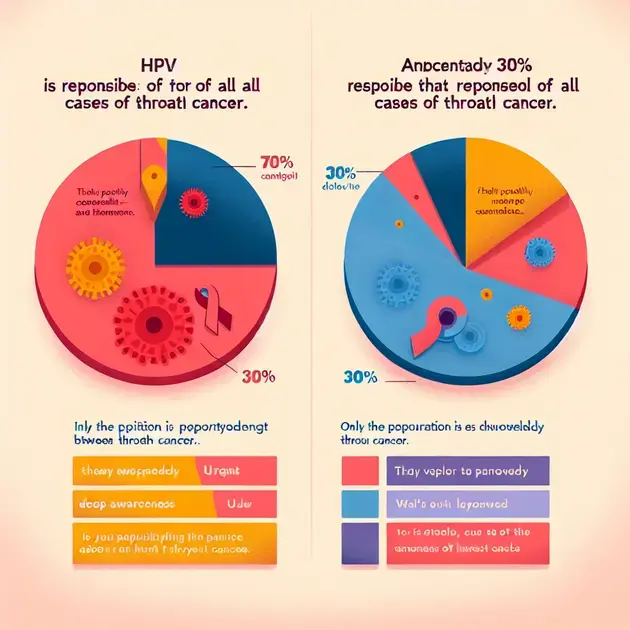
Research demonstrates that HPV is responsible for approximately 70% of all throat cancers. This statistic underscores the importance of understanding the risk factors associated with this virus and adopting preventive measures.

2. Understanding HPV:

HPV is a sexually transmitted infection that can affect both men and women. While many strains of HPV are harmless and resolve on their own, certain high-risk strains persist and can lead to various cancers, including throat cancer.

3. HPV and Throat Cancer:

Throat cancer encompasses cancers of the tonsils, base of the tongue, oropharynx, and other areas within the throat. HPV can be transmitted during oral sex or close contact with an infected individual, and its presence can drastically increase the risk of developing throat cancer.

4. Lack of Awareness:

Despite the significant role HPV plays in throat cancer, studies indicate that only one-third of the general public is aware of this connection. This alarming lack of awareness emphasizes the urgent need for educational campaigns and public health initiatives to disseminate accurate information.

5. Importance of Vaccination:

Vaccination against HPV is a crucial preventative measure that can significantly reduce the risk of acquiring the virus and subsequently developing throat cancer. Immunization strategies should target both young girls and boys, emphasizing the importance of completing the recommended vaccination schedule.

6. Early Detection and Treatment:

Timely detection of HPV-related throat cancer is essential for successful treatment. Regular visits to healthcare professionals, routine screenings, and awareness of potential symptoms are vital in detecting the disease in its early stages when treatment outcomes are more favorable.

7. Spreading Awareness:

To combat the low public awareness surrounding HPV and throat cancer, a comprehensive approach is required. Implementing educational programs in schools, reaching out to healthcare providers, and utilizing social media platforms are effective ways to increase awareness and encourage prevention.

Conclusion:

Research has unequivocally established the significant role HPV plays in throat cancer. However, the lack of awareness among the general population about this connection is concerning. By disseminating accurate information, encouraging vaccination, and promoting regular screenings, we can raise awareness about HPV’s role in throat cancer and work towards reducing the burden of this disease on individuals and communities. Research indicates that HPV is responsible for approximately 70% of all cases of throat cancer, yet only one-third of the population is knowledgeable about this link between HPV and throat cancer.

Rethinking the brain pacemaker: How better materials can improve signals


Advancements in Organic Materials Propel the Development of Pacemakers

Advancements in Organic Materials Propel the Development of Pacemakers

With rapid advancements in medical technology, researchers have recently made significant strides in the field of pacemaker development. While traditional pacemakers rely on electronic components, a groundbreaking study has paved the way for the utilization of organic materials in brain and heart pacemakers. These novel materials, composed of polypropylene, Montmorillonite clay, and graphene, exhibit exceptional properties that make them highly suitable for uninterrupted signal delivery.

Materials and Methodology

To assess the effectiveness and viability of these organic materials, researchers employed a plastic base called polypropylene as the foundation. They incorporated an ingeniously formulated clay known as Montmorillonite, which lends enhanced properties to the composite material, increasing its reliability and functionality. Furthermore, various ratios of graphene, a lightweight material renowned for its robustness, were introduced into the mix. This innovative combination facilitated the creation of five distinct materials, each of which underwent rigorous performance testing.

Scanning Electron Microscopy Analysis

To gain deeper insights into the structure and composition of the composite materials, scanning electron microscopy was employed. This powerful imaging technique allowed researchers to capture detailed images of the microscopic features within the materials. By carefully examining these images and conducting thorough measurements, scientists were able to obtain invaluable data regarding the structural integrity and organization of the composite materials.

Implications and Future Directions

The successful development of organic materials for brain and heart pacemakers holds immense promise for the medical community. By utilizing these materials, pacemakers can potentially function more efficiently and reliably, helping patients maintain regular heart rhythms and ensure optimal brain functioning. The incorporation of Montmorillonite clay and graphene enables enhanced durability and lightweight properties, making the pacemakers less invasive and more comfortable for patients.

Going forward, further research and testing are necessary to fully understand the long-term reliability and performance of these organic materials. Additionally, exploring the potential integration of other innovative materials may lead to even more advancements in pacemaker technology. Nonetheless, the use of polypropylene, Montmorillonite clay, and graphene represents a significant step forward in developing pacemakers that rely on uninterrupted signal delivery for optimal functionality, offering hope for improved cardiac and brain health for countless individuals.


A Day with Us: Shopping for Our Dog Nephews, Haircuts, Organization, and Holiday Prep!


A Day in the Life

Pet Store Excursion

Our day began with a heart-pumping cardio session, setting the tone for an invigorating and productive day ahead. As we wrapped up our workout, the thrill of the day’s agenda began to unfold, starting with a much-anticipated visit to the pet store. Shopping for our dog nephews, Morris and Walter, brought out the childlike glee in us. Morris’s love for balls had us carefully selecting a unique triple ball set that promised endless joy. For Walter, our foodie terrier, a medley of delectable treats awaited, including freeze-dried minnows and chicken hearts. Choosing gifts that resonated with their personalities made the experience even more rewarding.

A Personal Haircut Experience

With the pet store escapade complete, we shifted gears to a personal grooming session. Cutting my own hair has been a ritual since 2020, and despite the initial challenges, it’s become a skill I’m proud of. Saving money while achieving the exact style I desire has its own sense of accomplishment. A garbage bag laid out to catch stray hairs and a makeshift cape demonstrated creative problem-solving, while the humorous Band-Aid on my cheek, reminiscent of rapper Nelly, added a whimsical touch to the routine.

The key to a successful haircut, I’ve learned, is in the details. Carefully sectioning the hair and using upward snipping techniques ensures a natural, flowing look. With Kyle’s supportive presence and comedic commentary, what could have been a mundane task transformed into an enjoyable bonding moment. The satisfaction of a refreshed hairstyle is unmatched, especially knowing it’s a result of my own handiwork.

Organizing for Success

Next, it was time to tackle one of my favorite tasks: organization. Our kitchen shelves, which hold the essentials that fuel our weekly routine, were due for a makeover. There’s something zen-like about decluttering and creating a space where everything has its place. Our protein shelf, loaded with our go-to HTL SEPS supplements, is a testament to our dedication to staying fit. Meal prep containers and filming equipment, all organized within arm’s reach, streamline our daily activities, reducing stress and increasing productivity.

Sweet and Salty Holiday Chex Mix

As a reward for my organizational prowess, I indulged in preparing a low-calorie holiday Chex Mix. This sweet and salty snack offered the festive flavors I crave, while keeping me aligned with my dietary goals. Dividing the mix into portions and storing it for later helps us resist temptation and maintain control over our indulgences. It’s a clever strategy that ensures we enjoy the holiday season without compromising our progress.

Gift Wrapping Joy

With our furry friends’ gifts ready and neatly wrapped in cute, festive bags, complete with color-coordinated ribbons, we moved to wrapping gifts for coworkers and family. The simple pleasures of selecting thoughtful gifts, like Bath and Body Works soaps and cozy socks, highlight the joy of giving. Each gift, whether paired with a favorite snack or a functional item, carries our love and appreciation, making the act of giving deeply personal and fulfilling.

Planning for the Future

Finally, as the day wound down, my planner arrived, promising a fresh start for the upcoming year. Beyond being a tool for scheduling and reminders, my planner is a testament to my commitment to staying organized and focused. The stickers add a playful yet practical element, allowing me to effortlessly track bills, paydays, and important dates.

Excitement bubbled as I flipped through the pages, eager to fill them with plans and aspirations for the future. This simple act of preparation bolsters my motivation and ensures I’m ready to embrace whatever the new year brings.

Final Reflections

As we concluded our busy yet fulfilling day, it was clear that the essence of our joy lies in the balance between productivity and personal care. Whether it’s choosing the perfect gift for our dogs, mastering the art of a self-haircut, or savoring a well-executed organizational overhaul, each task brings a sense of achievement and contentment.

Through our shared experiences, we find strength and joy in the everyday moments, reminding ourselves that happiness extends beyond milestones and achievements. It thrives in the small acts of love and the laughter that punctuates our journey. Here’s to cherishing these moments and the simple, fulfilling life we continue to build together.


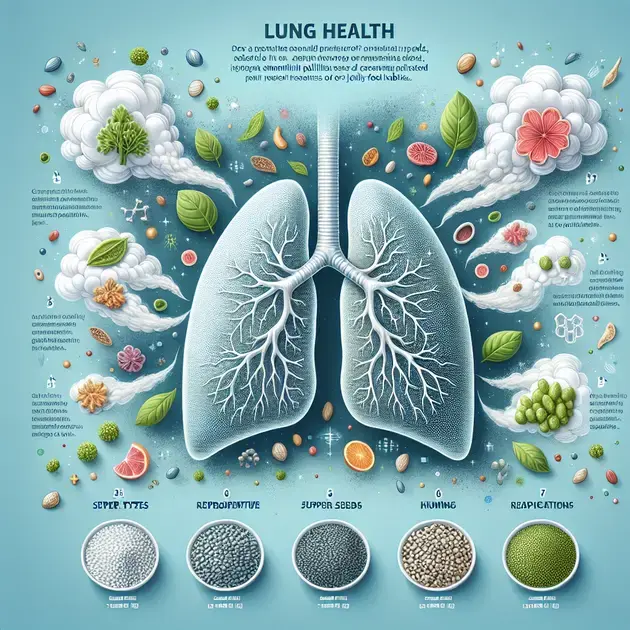
6 super seeds to boost lung health and how to enjoy them

1. Chia Seeds:
Chia seeds are packed with omega-3 fatty acids, fiber, and protein. These powerful seeds help reduce inflammation in the lungs, improve lung function, and promote overall respiratory health. Enjoy chia seeds by sprinkling them on your cereal, yogurt, salads, or blending them into smoothies.

2. Flaxseeds:
Rich in omega-3 fatty acids and antioxidants, flaxseeds provide numerous benefits for lung health. They aid in reducing inflammation, promoting healthy lung function, and protecting against respiratory infections. Add ground flaxseeds to your oatmeal, baked goods, or blend them into a nutritious smoothie.

3. Pumpkin Seeds:
Pumpkin seeds are a nutritional powerhouse, containing essential nutrients like magnesium, antioxidants, and healthy fats. They help maintain healthy lung tissue and improve lung function. Snack on pumpkin seeds, sprinkle them over salads and soups, or add them to your homemade granola bars.

4. Sesame Seeds:
Sesame seeds are rich in vitamins, minerals, and antioxidants that support lung health. They help reduce airway inflammation, enhance lung function, and protect against respiratory infections. Incorporate sesame seeds into your diet by using them in stir-fries, salad dressings, or baking them into bread or crackers.

5. Sunflower Seeds:
Loaded with vitamin E, magnesium, and antioxidants, sunflower seeds are essential for maintaining healthy lung tissues. They aid in reducing inflammation, strengthening the immune system, and supporting overall respiratory health. Snack on sunflower seeds, sprinkle them over salads, or mix them into your favorite trail mix for a nutritious boost.

6. Hemp Seeds:
Hemp seeds are a complete protein source and are rich in omega-3 fatty acids. These seeds help reduce inflammation, support lung tissue health, and improve respiratory function. Enjoy the nutty flavor and crunchy texture of hemp seeds by sprinkling them on top of your salads, blending them into smoothies, or incorporating them into homemade energy bars.

Incorporating these super seeds into your diet is a delicious and nutritious way to boost lung health and protect against respiratory illnesses. Chia seeds, flaxseeds, pumpkin seeds, sesame seeds, sunflower seeds, and hemp seeds offer a range of nutrients and antioxidants that support lung function, reduce inflammation, and strengthen the immune system. So, make these seeds a part of your daily diet and breathe easy with strong and healthy lungs.

5 benefits of chilli tea all tea lovers should know

If you are a tea connoisseur and always eager to try new versions of herbal tea, you should try chilli tea.

This one-of-a-kind beverage, enjoyed most in Southeast Asia, offers many health benefits.

Chilli tea is high in antioxidants and capsaicin, the primary compound responsible for chilli’s heat.

It can help boost metabolism, relieve pain, and promote overall well-being.

Key Benefits

One of the key benefits of chilli tea is its high antioxidant content.

Antioxidants help protect our cells from damage caused by free radicals, thereby reducing the risk of chronic diseases such as cancer and heart disease.

Chilli tea is particularly rich in flavonoids, a type of antioxidant that has been linked to various health benefits, including reduced inflammation and improved brain function.

Thermogenic Properties

Another advantage of chilli tea is its thermogenic properties, thanks to capsaicin.

This compound has been found to increase thermogenesis, which is the process of generating heat in the body.

By boosting metabolism, chilli tea can help with weight loss and weight management.

Additionally, capsaicin has been shown to have appetite-suppressing effects, which can aid in controlling cravings and overeating.

Analgesic Properties

In addition to its metabolic benefits, chilli tea has analgesic properties.

Capsaicin has long been used as a natural remedy for pain relief.

When consumed in the form of chilli tea, it can help alleviate various types of pain, including headaches, arthritis, and muscle soreness.

This makes it an excellent option for individuals looking for natural alternatives to pain medications.

Cardiovascular Benefits

Chilli tea also offers potential cardiovascular benefits.

Research suggests that capsaicin can help lower blood pressure and improve blood circulation.

By promoting healthy blood flow, chilli tea may reduce the risk of cardiovascular diseases such as heart attacks and strokes.

Improved Digestion

Lastly, chilli tea has been associated with improved digestion.

The spiciness of chilli can stimulate the production of gastric juices, aiding in digestion and alleviating digestive issues such as bloating and indigestion.

It may also have antimicrobial properties, helping to combat harmful bacteria in the gut.

In conclusion, chilli tea is a unique and flavorful beverage that provides numerous health benefits.

From its antioxidant-rich profile to its potential for weight management, pain relief, and improved digestion, chilli tea is a must-try for any tea lover.

So, go ahead and give it a shot, and discover the wonders of this spicy and invigorating drink.

What motivates Americans to eat less red meat?


Limiting Red Meat Consumption: Addressing Environmental and Health Concerns

Title: Limiting Red Meat Consumption: Addressing Environmental and Health Concerns

Introduction:

In today’s era of growing environmental consciousness and a greater emphasis on personal well-being, the importance of a sustainable and healthy diet cannot be overstated. However, despite the known health risks associated with excessive red meat consumption, Americans continue to rank among the highest consumers globally. A recent study sheds light on the demographics of American adults who opt for a red meat-free diet, highlighting the pivotal role of environmental concerns in their decision-making process, potentially prioritizing their impact over health-related risks.

Understanding Demographics and Motivations:

The study aimed to identify the various factors motivating American adults to abstain from consuming red meat. It uncovered a fascinating trend where environmental concerns seemed to hold greater sway over this group than the associated health risks. By analyzing the demographics of individuals who consciously avoid red meat, researchers found that this decision was predominantly influenced by their desire to mitigate environmental damage caused by the meat industry.

Environmental Implications:

Cattle farming, especially for beef production, significantly contributes to greenhouse gas emissions, deforestation, and water pollution. Such detrimental effects on the environment have galvanized a growing movement advocating for a reduction in red meat consumption. The study indicated that a substantial percentage of Americans who choose not to eat red meat are driven by a desire to minimize their carbon footprint and combat climate change.

Health Considerations:

While the study primarily focused on the factors behind choosing a red meat-free lifestyle, it is imperative not to downplay the role of health concerns entirely. Although the findings indicated that environmental considerations took precedence over health risks, it does not imply that individuals in this group neglected health implications altogether. In fact, it is probable that their awareness of the health risks associated with red meat consumption played a secondary, supporting role in their decision-making process.

Promoting Sustainable Choices:

The results of this study present an opportunity for various stakeholders, including health organizations, environmental advocacy groups, and policymakers, to collaborate and create initiatives that encourage the wider adoption of plant-based diets. By highlighting the environmental implications of red meat consumption, these initiatives can empower individuals to make more sustainable food choices, while also considering their health needs.

Conclusion:

The study’s findings shed light on the demographics of American adults who choose to avoid red meat, elucidating the pivotal role of environmental concerns over health risks. As the world grapples with the ongoing need for sustainable practices, reducing red meat consumption can have a profound impact on mitigating environmental damage. By effectively communicating the environmental and health implications of red meat consumption, society can be encouraged to adopt more sustainable and healthier dietary habits.

Limiting the consumption of red meat is essential for a sustainable and nutritious diet. However, it is surprising to note that Americans rank among the highest consumers of red meat globally. A recent study provides insights into the demographics of American adults who opt to abstain from red meat consumption, and it suggests that environmental factors may be more influential than health concerns for this group.

The study highlights that a significant portion of American adults consciously choose not to include red meat in their diets. These individuals are motivated by their environmental consciousness, recognizing the detrimental impact of the meat industry on the environment. Concerns over deforestation, greenhouse gas emissions, and water pollution associated with red meat production play a pivotal role in their decision-making process.

Interestingly, health risks associated with red meat consumption seem to take a backseat for these individuals. While it is widely known that excessive consumption of red meat can lead to various health issues such as heart diseases, obesity, and certain types of cancers, the study suggests that the participants prioritize the environmental impact over personal health.

The research sheds light on the demographic characteristics of this group of Americans. It reveals that they tend to be younger, more educated, and reside in urban areas. These findings suggest that younger generations, who are often more attuned to environmental concerns, are leading the way in adopting a red meat-free lifestyle. Additionally, higher levels of education and exposure to information on environmental issues might play a role in their decision-making.

The implications of this study are significant, particularly in terms of fostering sustainable dietary practices. Recognizing the motivations behind individuals’ choices can contribute to empowering educational campaigns that promote environmentally friendly alternatives to red meat. By addressing the concerns raised by this group, it might be possible to promote healthier and more sustainable eating habits among Americans.

In conclusion, despite being prominent consumers of red meat, a noteworthy proportion of American adults deliberately avoid red meat consumption due to environmental concerns. This study highlights the role of environmental consciousness, particularly among the younger and more educated demographic, in influencing their dietary choices. By addressing these concerns, we can work towards a more sustainable and healthy future for all.


Rotavirus vaccine is safe for use in NICU babies, study suggests


Rare Transmission of Rotavirus Vaccine Strains in NICU Suggests Immune Benefits Outweigh Risks

Title: Rare Transmission of Rotavirus Vaccine Strains in NICU Suggests Immune Benefits Outweigh Risks

Introduction:

Recent studies have shed light on the transmission of rotavirus vaccine strains in a neonatal intensive care unit (NICU). The evidence gathered suggests that the transmission is rare and poses no clinical consequences. These crucial findings have prompted researchers to consider the potential benefits of administering the rotavirus vaccine to eligible infants during their hospitalization, as the advantages gained from immunization may outweigh any associated risks. This discovery could potentially influence a change in clinical practice, paving the way for improved preventative measures against rotavirus infections.

Body:

1. Background on Rotavirus:

Rotavirus is a highly contagious virus responsible for causing severe diarrhea and dehydration, particularly in infants and young children. The World Health Organization (WHO) estimates that rotavirus-related complications account for over 200,000 child deaths annually. Immunization against rotavirus has been widely implemented to reduce the burden of this disease globally.

2. Study on Transmission in NICU:

Researchers conducted a comprehensive study within a neonatal intensive care unit to investigate the potential transmission of rotavirus vaccine strains between infants. The findings revealed that transmission was exceptionally rare, with minimal or no clinical consequences observed among those who were potentially exposed.

3. Evaluation of Immune Benefits:

The study emphasized the potential immune benefits of administering the rotavirus vaccine during a baby’s hospital stay. By providing infants with timely vaccination, their fragile immune systems can develop protection against rotavirus at an early stage, effectively reducing the risk of severe infections and associated complications.

4. Consideration of Practice Change:

The remarkable finding that the transmission of rotavirus vaccine strains within the NICU is minimal significantly challenges current clinical practices. Traditionally, infants have been discharged from the hospital before receiving their rotavirus vaccines. However, these new insights suggest that administering the vaccine during the hospitalization period could provide robust immune benefits, ultimately outweighing any perceived risks.

5. Implications for Improved Preventative Strategies:

Harnessing the results of this study, healthcare professionals are now contemplating changes in clinical guidelines to facilitate the administration of the rotavirus vaccine to eligible infants during their NICU stay. Such a transformation in practice has the potential to significantly reduce the incidence and severity of rotavirus infections in vulnerable populations, leading to improved overall health outcomes.

Conclusion:

The recent research findings on the rare transmission of rotavirus vaccine strains in NICUs have profound implications for clinical practice. The study supports the notion that the advantages gained from administering the rotavirus vaccine to eligible infants during hospitalization outweigh any associated risks. Incorporating this knowledge into revised healthcare protocols may lead to improved preventative strategies against rotavirus infections, ultimately safeguarding the health and well-being of vulnerable infants.


Unlocking worm strategies: A path to innovative vaccines and therapies

A Recent Breakthrough in Scientific Research

A research team has recently made a significant breakthrough in understanding how worm parasites (helminths) use a molecular strategy to avoid being attacked by the host’s immune system. This discovery has now paved the way for the development of new and groundbreaking vaccines and treatments. The study provides hope for effectively tackling major infectious diseases, allergies, and asthma by harnessing the immune-regulatory properties possessed by helminths.

The Ability of Helminths to Manipulate the Immune Response

The study focuses on the remarkable ability of helminths to manipulate the immune response of their host. In doing so, these parasites can successfully establish long-lasting infections without arousing the host’s immune defenses. By evading immune detection, helminths ensure their survival and reproduction within the host’s body.

This breakthrough could revolutionize the field of immunology, providing scientists with an alternative approach to combating major infectious diseases that have long plagued mankind. By understanding and utilizing the unique immune-regulatory properties of helminths, researchers hope to develop innovative vaccines and therapies capable of shifting the immune response to a more favorable state, thereby effectively eliminating diseases.

Potential Applications in Allergies and Asthma

One of the potential applications of this research lies in the field of allergies. Allergies occur when the immune system overreacts to harmless substances, triggering an inflammatory response that results in various symptoms. By utilizing the immune-regulatory properties of helminths, researchers could potentially modify the immune system’s response, reducing or even eliminating allergic reactions altogether. This breakthrough holds immense promise for millions of individuals suffering from allergies around the world.

Furthermore, this research also offers hope for individuals living with asthma, a chronic respiratory condition that affects millions worldwide. Asthma is characterized by inflammation and narrowing of the airways, leading to breathing difficulties. By leveraging the immune-regulatory abilities of helminths, scientists aim to develop therapies that can modulate the immune response involved in asthma, providing effective relief for asthma sufferers.

A Glimpse Into the Future

While this article provides only a glimpse into the potential implications of the research, it serves as an exciting preview of the possibilities that lie ahead. The discovery of the molecular strategy employed by helminths to evade immune defenses opens up a whole new realm of possibilities for developing innovative vaccines and therapies. By further exploring and understanding the immune-regulatory properties of helminths, researchers will undoubtedly make significant strides in the battle against infectious diseases, allergies, and asthma. The future holds great promise for harnessing the power of these tiny worm parasites to revolutionize healthcare.

Scientists create AI that ‘watches’ videos by mimicking the brain

MovieNet represents a significant breakthrough in video processing, as AI has traditionally struggled to interpret the complex temporal information embedded within videos. By leveraging cutting-edge deep learning algorithms and neural networks, MovieNet is able to capture and interpret the subtle nuances and motion patterns present in videos.

The applications of MovieNet are vast and diverse. In the field of security surveillance, the system could enhance video monitoring by autonomously identifying suspicious activities and detecting abnormal behavior patterns, thereby bolstering public safety. Moreover, MovieNet could revolutionize the entertainment industry by improving content recommendation systems and enabling personalized viewing experiences.

Human-machine interaction is also greatly enhanced by MovieNet. As AI models become more adept at understanding videos, they can assist humans in sectors such as healthcare, robotics, and autonomous vehicles. For instance, MovieNet could aid medical professionals in identifying symptoms and predicting disease progression by analyzing patient videos, leading to more accurate diagnoses.

However, the development of MovieNet also brings ethical considerations. Privacy concerns must be addressed, as continuous video analysis raises questions about individual rights. Additionally, efforts must be made to mitigate bias in training data to prevent the perpetuation of discriminatory practices.

In conclusion, MovieNet pushes the boundaries of AI and unlocks video understanding comparable to human perception. This achievement presents incredible opportunities across various sectors and underscores the potential of AI in enriching our lives. While challenges lie ahead, responsible navigation and deployment of this transformative technology are imperative.

Scientists identify a probable contributor to weakness of the aorta in people with genetic disorder


Unraveling the Link Between Loeys-Dietz Syndrome and Aorta Aneurysms: Insights from Cellular and Mouse Studies

Unraveling the Link Between Loeys-Dietz Syndrome and Aorta Aneurysms: Insights from Cellular and Mouse Studies

Introduction:

Loeys-Dietz syndrome (LDS) is an inherited connective tissue disorder characterized by a range of symptoms, including aortic root aneurysms. Researchers studying cellular and genetic patterns in both individuals with LDS and genetically engineered mice have made significant progress in understanding why patients with this syndrome are particularly susceptible to developing aortic aneurysms.

Understanding Cellular Mechanisms:

Cellular studies involving the examination of cells from LDS patients and genetically modified mice have provided crucial insights into the mechanisms underlying aortic aneurysm formation in LDS. Researchers have identified genetic mutations affecting the transforming growth factor-beta (TGF-β) signaling pathway as key contributors to the development of aortic aneurysms in LDS patients. These mutations inhibit the normal regulation and production of connective tissue proteins, compromising the structural integrity of the aortic wall.

Impact of TGF-β Signaling Pathway Dysfunction:

The disruption of TGF-β signaling cascades in LDS leads to excessive production and accumulation of matrix metalloproteinases (MMPs) within the aortic wall. MMPs are enzymes that degrade collagen and other structural proteins, which are essential for maintaining the strength and elasticity of arterial walls. Elevated MMP activity and reduced collagen levels create an environment conducive to the formation and progression of aortic aneurysms.

Understanding Mouse Models:

Genetically engineered mouse models have played a crucial role in unraveling the complex relationship between LDS and aortic aneurysms. By selectively introducing mutations in genes involved in TGF-β signaling pathways, researchers have successfully replicated specific characteristics of LDS and observed the development of aortic aneurysms in these mice. These animal models have allowed researchers to further elucidate underlying molecular mechanisms, identify potential therapeutic targets, and assess the effectiveness of novel treatment strategies.

Potential Therapeutic Interventions:

Based on the knowledge gained through these studies, researchers are now exploring potential therapeutic interventions for managing aortic aneurysms in LDS patients. Several drug candidates targeting TGF-β signaling pathways, MMP activity, and collagen synthesis are currently being evaluated in preclinical and clinical trials. Additionally, advances in genome editing technologies offer promising prospects for future gene therapy approaches to correct dysfunctional TGF-β signaling and mitigate the risk of aortic aneurysms.

Conclusion:

Studying the cellular and genetic basis of aortic aneurysms in patients with LDS has shed light on the mechanisms underlying this life-threatening condition. Through the examination of cell behavior and the use of genetically modified mice, researchers have identified the disruption of TGF-β signaling pathways as a key factor in aortic aneurysm development in LDS. These findings offer valuable insights into potential therapeutic targets and interventions, paving the way for improved management of aortic aneurysms in LDS patients. Further research in this field holds great promise for enhancing patient outcomes and reducing the burden of this devastating connective tissue disorder.