Home Blog Page 172

Flood disasters associated with preterm births and low birth weights

“`html


The Impact of Flooding on Preterm Birth and Low Birth Weight: A Global Perspective

The Impact of Flooding on Preterm Birth and Low Birth Weight: A Global Perspective

A recent comprehensive analysis of over 3,000 studies conducted worldwide reveals a concerning link between flooding events and adverse pregnancy outcomes. According to the findings, flooding is associated with an approximate 3% increase in preterm births globally. This significant statistic highlights the urgent need to understand the implications of environmental disasters on maternal and infant health.

Flooding can lead to a variety of stressors that affect pregnant women. These stressors include physical displacement, psychological trauma, and the potential for inadequate access to healthcare during critical periods of pregnancy. Such overwhelming circumstances can contribute to premature labor, ultimately resulting in babies being born before they reach full term.

In addition to an increased risk of preterm births, the analysis also found that babies exposed to flooding in utero are more likely to be born with low birth weight. This is particularly alarming, as low birth weight is recognized as a significant risk factor for the development of chronic health issues later in life, including asthma, diabetes, and other serious conditions. The implications of these findings are profound, suggesting that the impact of environmental disasters extends far beyond immediate physical damage and can have long-lasting repercussions on public health.

As climate change continues to exacerbate the frequency and severity of flooding events worldwide, the results of this analysis underscore the need for proactive public health measures. Governments and health organizations must prioritize the establishment of support systems for pregnant women living in flood-prone areas, ensuring they have access to comprehensive care and mental health resources during times of crisis.

Furthermore, this research calls for an interdisciplinary approach to disaster readiness that includes health professionals, policymakers, and environmental scientists. By working together, we can develop strategies to mitigate the impacts of flooding on maternal and child health, protecting vulnerable populations and ultimately fostering healthier future generations.

In summary, the effects of flooding extend well beyond the immediate devastation to communities; they have profound implications for maternal and child health, particularly through increased rates of preterm births and low birth weight. Addressing these challenges is critical as we navigate an increasingly unpredictable climate, and ensuring the well-being of future generations must be at the forefront of our response to environmental disasters.

A recent analysis of over 3,000 studies conducted worldwide indicates that flooding increases the incidence of preterm births by approximately 3% on a global scale. Additionally, children who were in utero during flooding events are more likely to be born with low birth weights. Both of these outcomes are associated with an elevated risk of developing chronic health conditions, such as asthma and diabetes, later in life.


“`
When does waiting stop being worth it?

“`html


Understanding the Prefrontal Cortex: Decision-Making and Uncertainty

Understanding the Prefrontal Cortex: Decision-Making and Uncertainty

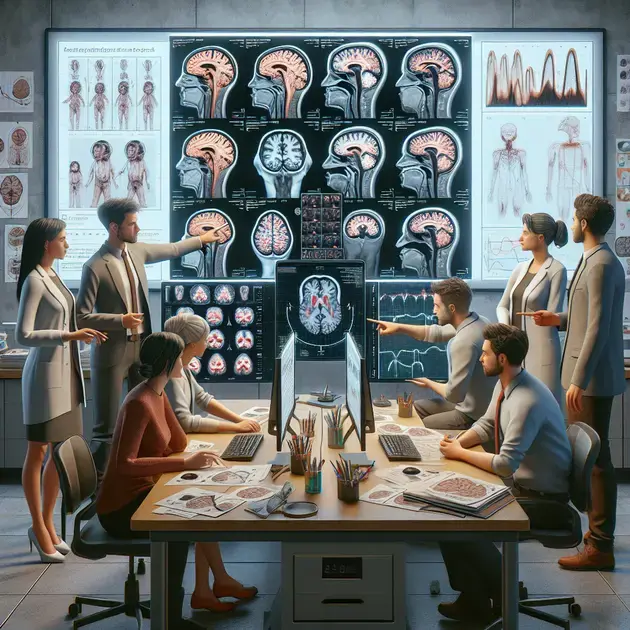
Recent research has delved into the intricate workings of the brain, particularly focusing on the prefrontal cortex and its role in evaluating uncertainty and guiding swift decision-making. Psychologists conducted a fascinating study on individuals who suffered damage to different areas of this critical brain region, revealing insights into how we process complex information and make rapid choices.

The prefrontal cortex, positioned at the front of the brain, is essential for higher-order cognitive functions, including reasoning, planning, and decision-making. It plays a pivotal role in evaluating situations where uncertainty is a significant factor. By investigating individuals with specific damage to various parts of the prefrontal cortex, researchers have begun to unravel the distinct functions of these areas concerning decision-making processes.

The Role of the Prefrontal Cortex in Uncertainty

Uncertainty is an inherent aspect of decision-making, affecting both trivial everyday choices and significant life-altering decisions. The prefrontal cortex is crucial in assessing potential risks and rewards during these moments. Damage to this area can lead to notable changes in how individuals weigh uncertainty and evaluate outcomes, which can provide valuable insights into the cognitive mechanisms underlying decision-making.

In one key aspect of the study, researchers examined how individuals with localized damage responded to ambiguous scenarios—situations where the outcomes are unclear or unpredictable. This analysis allowed scientists to pinpoint which portions of the prefrontal cortex are more involved in grappling with uncertainty and how these areas communicate with other brain regions during the decision-making process.

Split-Second Decisions and Cognitive Biases

The ability to make split-second decisions is vital in everyday life, from choosing what to eat for lunch to more significant choices that could impact one’s future. The research indicated that different regions of the prefrontal cortex contribute uniquely to these quick decisions. Some areas appear to be more active in evaluating immediate risks, while others are involved in longer-term assessments.

Interestingly, the findings revealed that individuals with damage to specific parts of the prefrontal cortex exhibited distinct cognitive biases that influenced their judgment under uncertainty. For instance, those with damage to the ventromedial prefrontal cortex showed an altered perception of risk, often leading them to make impulsive decisions without fully weighing the consequences.

Implications for Understanding Decision-Making

The implications of this research extend beyond academic curiosity; they contribute to our understanding of various psychological and neurological conditions where decision-making is impaired. Conditions like anxiety disorders, addiction, and certain forms of brain injury can all alter the way individuals assess risk and make decisions, often leading to maladaptive behaviors.

In conclusion, studies of individuals with damage to different areas of the prefrontal cortex have illuminated the complex interactions between uncertainty and decision-making. By exploring the roles of various subregions in the prefrontal cortex, psychologists are uncovering new facets of cognitive functioning, which may ultimately lead to improved interventions and strategies for those struggling with decision-making difficulties. Understanding how our brains navigate uncertainty could pave the way for advancements in psychology, neuroscience, and even behavioral economics, offering new insights into human behavior and decision-making processes.


“`

Flood disasters associated with preterm births and low birth weights

Title: The Impact of Flooding on Preterm Births and Long-Term Health Risks

Introduction:

A comprehensive new analysis of over 3,000 global studies has shed light on an alarming connection between flooding and adverse birth outcomes. The findings indicate that flooding events increase the risk of preterm births by approximately 3% and can lead to low birth weight in infants. Both of these outcomes have been identified as significant risk factors for the development of chronic health conditions later in life, including asthma and diabetes. This article aims to explore the implications of this research, highlighting the potential long-term health risks associated with flooding during pregnancy.

Flooding’s Influence on Preterm Birth:

The analysis of numerous studies found a consistent correlation between flooding events and an increased likelihood of preterm births. Preterm birth, defined as delivery before 37 weeks of gestation, can pose significant challenges for both the newborn and the mother. Babies born prematurely often face developmental difficulties and are at higher risk of suffering from various health complications. The reasons behind this relationship are likely multifactorial, with stress, exposure to contaminants, and limited access to adequate healthcare services during or after floods playing key roles.

Low Birth Weight as a Result of Flooding:

Furthermore, the analysis revealed that infants exposed to flooding in utero are more likely to have a low birth weight. This condition, characterized by a birth weight below 2.5 kilograms (5.5 pounds), has been associated with an increased susceptibility to various diseases and long-term health issues. Floods can disrupt access to essential resources, such as clean water and nutritious food, which are crucial for maintaining a healthy pregnancy. Additionally, the stress experienced by expectant mothers during these events may contribute significantly to suboptimal fetal growth and low birth weight.

Long-Term Health Implications:

It is important to recognize that preterm birth and low birth weight are not isolated events but rather early indicators of potential health complications later in life. Numerous empirical studies have implicated these factors in the development of chronic diseases such as asthma and diabetes among individuals who were exposed to flooding during gestation. The mechanisms underlying these associations are not fully understood, but it is believed that fetal programming, altered immune responses, and disrupted lung development may contribute to the increased susceptibility to these conditions.

Conclusion:

The analysis of more than 3,000 studies provides compelling evidence of the detrimental effects of flooding on pregnancy outcomes and long-term health. Floods have been shown to increase the risk of preterm births and low birth weight, both of which have implications for the future health of the child. The findings emphasize the importance of implementing proactive measures to mitigate the impact of flooding, such as improving infrastructure, promoting community resilience, and enhancing access to healthcare services during and after flood events. Additionally, further research is warranted to better understand the mechanisms linking flooding to adverse birth outcomes and to develop strategies for early intervention and prevention of chronic health conditions.

A recent analysis of over 3,000 studies conducted worldwide has unveiled that flooding has a significant impact on preterm births, leading to an increase of approximately 3% globally. Moreover, children who were exposed to floods while still in the womb are more likely to have a lower birth weight. These outcomes pose a risk for the development of long-term health conditions, including asthma and diabetes, as the child grows older.

Aerosol pollutants from cooking may last longer in the atmosphere

“`html


New Insights into Aerosol Behavior: Cooking Emissions and Sea Spray

New Insights into Aerosol Behavior: Cooking Emissions and Sea Spray

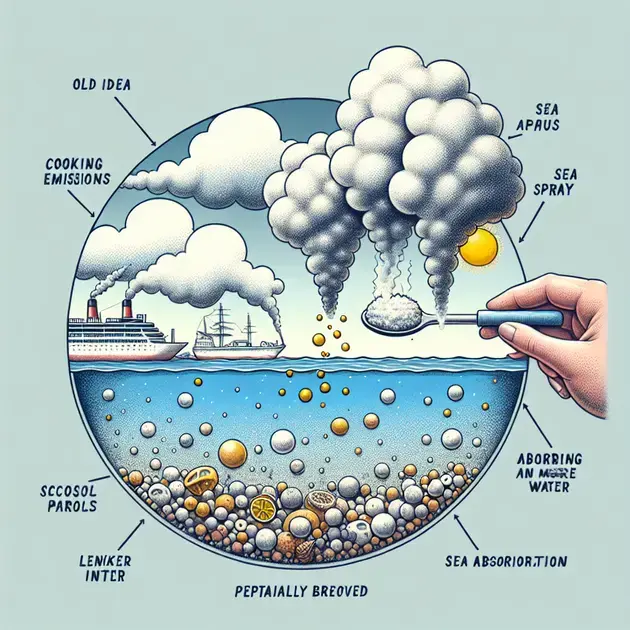
Recent research has unveiled intriguing new insights into the behavior of aerosols derived from cooking emissions and sea spray. These findings suggest that aerosol particles may absorb significantly more water than previously understood, which could fundamentally alter the duration these particles remain suspended in the atmosphere.

Aerosols, tiny particles or droplets suspended in the atmosphere, play a crucial role in climate dynamics and air quality. They can originate from various sources, including natural events like sea spray and anthropogenic activities such as cooking and industrial processes. Understanding how these aerosols behave, particularly their hygroscopic properties—that is, how they interact with water—is essential in predicting their impact on weather patterns and climate.

The new findings indicate that the hygroscopicity of cooking and sea spray aerosols might be underestimated. While it is well-known that these particles can attract water vapor, the extent to which they do so may be greater than current models account for. This could mean that these aerosols could persist in the atmosphere for longer periods, leading to prolonged effects on cloud formation and climate.

When aerosols take up water, they can influence both the physical and chemical properties of clouds. For instance, enhanced water uptake can lead to larger cloud droplets, affecting cloud brightness and longevity, which in turn impacts local and regional weather. This insight emphasizes the need for more comprehensive research and more accurate models that incorporate these new findings, as the implications for atmospheric science are profound.

As we continue to grapple with the complexities of climate change and air quality management, understanding the nuanced behaviors of aerosols will be pivotal. This research serves as a reminder of the intricate interactions within the Earth’s atmosphere, highlighting the importance of continuous study and reevaluation of our atmospheric models.

In conclusion, the revelations regarding the water absorption capabilities of aerosols from cooking emissions and sea spray challenge existing assumptions and underscore the dynamic nature of atmospheric science. As researchers delve deeper into these phenomena, we can better grasp the implications for climate patterns and air quality, paving the way for more effective environmental policies and strategies.


“`

New gene therapy reverses heart failure in large animal model


Gene Therapy Holds Potential to Reverse Heart Failure Effects and Restore Cardiac Function

Title: Gene Therapy Holds Potential to Reverse Heart Failure Effects and Restore Cardiac Function

Introduction:

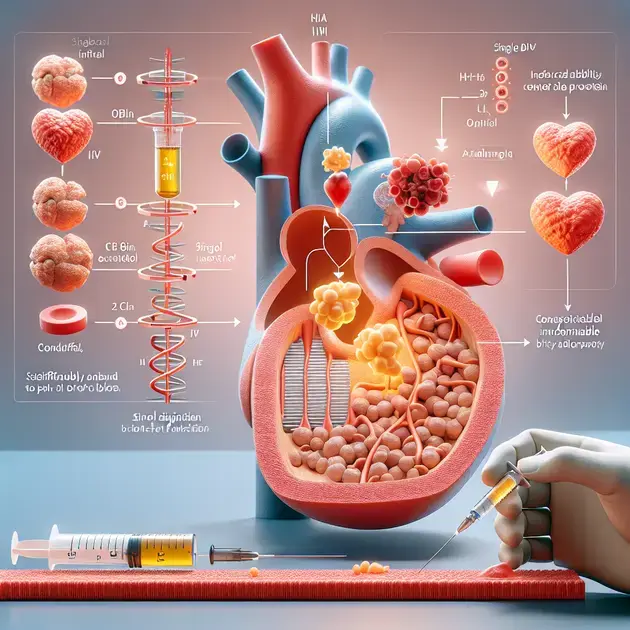
Heart failure is a serious and life-threatening condition that affects millions of people worldwide. Conventional treatments often focus on managing symptoms and slowing disease progression, but a groundbreaking study has shown promising results in potentially reversing the effects of heart failure through gene therapy. In a recent experiment involving a large animal model, the targeted gene therapy, focused on cBIN1, exhibited the ability to significantly improve heart function and increase survival rates. This article aims to explore the potential of this gene therapy in the treatment of heart failure.

A Revolutionary Approach:

The study, conducted via a single intravenous injection of the gene therapy, demonstrated remarkable outcomes. By targeting cBIN1, a protein associated with cardiac function, researchers were able to enhance the pumping capacity of the heart, subsequently improving blood circulation throughout the body. Initial results indicated a significant restoration of heart function, with the therapy allowing the heart to pump a greater volume of blood.

Restoring Function and Survival:

One of the most groundbreaking aspects of this gene therapy was its ability to enhance survival rates. Animal models treated with the cBIN1-targeted therapy exhibited a dramatic improvement in long-term survival. By reversing heart failure effects and restoring cardiac function, the gene therapy proved to be a potential game-changer in the field of cardiovascular medicine. Further studies are warranted to determine the duration of therapeutic effect, potential side effects, and feasibility for clinical translation to human patients.

Implications for Human Heart Failure Treatment:

While this research was conducted on animal models, the findings hold significant promise for future applications in human heart failure treatment. Currently, heart failure remains an incurable condition, leading to substantial morbidity and mortality. The introduction of gene therapy as a potential solution offers hope for patients suffering from this debilitating disease.

Future Perspectives:

Moving forward, it is crucial to explore the long-term effects and safety profile of this gene therapy. Additionally, clinical trials will be necessary to determine its efficacy and establish proper dosage regimens. With further advancements in technology and understanding of gene therapy, this approach may revolutionize heart failure treatment and provide an alternative solution for patients who do not respond to conventional therapies.

Conclusion:

The discovery of a gene therapy targeting cBIN1 has demonstrated promising results in reversing heart failure effects and restoring heart function in a large animal model. By enhancing the pumping capacity of the heart and improving blood circulation, this therapy has the potential to transform the treatment landscape for heart failure. While further research is needed to validate these findings and explore their applicability in human patients, the future of gene therapy for heart failure appears promising.


Understanding Swelling Behind Your Knee: Common Causes and Concerns

“`html

Knee injuries can be incredibly daunting, and the fear of a severe problem is enough to make anyone anxious. If you’ve recently noticed a peculiar swelling behind your knee, you’re not alone—and the answer might not be as ominous as you fear. Welcome to our latest blog post inspired by Dr. David Guyer’s insightful discussion in his Ask the Doctor video series. Today, we’ll delve into the possible causes of swelling located specifically at the back of your knee. Whether it’s a subtle ache or a more noticeable puffiness, understanding the underlying issues can be crucial to preserving your mobility and well-being. From meniscus tears to Baker’s cysts, and even early signs of arthritis, we will explore what these symptoms might signify and how you can take proactive steps in managing your knee health. Join us as we unpack these musculoskeletal mysteries to help you stay informed, aware, and on the path to recovery.

Potential Causes of Swelling Behind the Knee

1. Arthritis:

Osteoarthritis: Often considered a “wear and tear” condition, osteoarthritis can cause degeneration in the knee joint. This degeneration can lead to fluid accumulation, primarily affecting the posterior region of the knee joint. As the cartilage wears down, the body may produce more synovial fluid in an effort to protect the remaining cartilage, which results in swelling.

Rheumatoid Arthritis: This autoimmune condition causes inflammation of the joint lining, which can lead to swelling and pain. While rheumatoid arthritis typically affects multiple joints, its impact on the knee can also manifest as swelling behind the knee.

2. Meniscus Tears:

The menisci are C-shaped pieces of cartilage that provide a cushion between your thighbone and shinbone. Tears often occur due to trauma or degenerative changes. In particular, tears in the posterior horn of the medial or lateral meniscus can result in swelling localized in the back of the knee.

  • Symptoms of Meniscal Tears:
  • Sharp pain, often during twisting movements
  • Swelling that may increase gradually over the first 24 hours
  • A “locking” feeling within the knee

3. Baker’s Cyst:

A Baker’s cyst, or popliteal cyst, is a fluid-filled swelling that forms behind the knee. It is often associated with an underlying problem in the knee, such as a meniscal tear or arthritis. When excess synovial fluid is produced due to inflammation, it can accumulate in the back of the knee, forming a cyst.

  • Characteristics of a Baker’s Cyst:
  • Visible bulge behind the knee
  • Tightness and restricted movement upon bending the knee
  • Symptoms might fluctuate, becoming worse after activity

4. Gout or Pseudogout:

These inflammatory conditions can lead to the accumulation of crystals within the knee joint, causing pain and swelling. Although not as common, gout can present as swelling primarily behind the knee if the inflammation is significant.

Managing Swelling Behind the Knee

If you notice swelling behind your knee, it’s important to seek a professional evaluation to determine the exact cause and appropriate treatment. Here are some general management strategies that may be recommended by your healthcare provider:

  • RICE Method (Rest, Ice, Compression, Elevation): Reducing physical activity, applying ice packs, using compression bandages, and keeping the leg elevated can help manage swelling.
  • Medications: Non-steroidal anti-inflammatory drugs (NSAIDs) can help reduce inflammation and relieve pain.
  • Physical Therapy: Exercises that strengthen the muscles around the knee can provide better support and alleviate some of the stress on the knee joint.
  • Injections or Aspiration: In some cases, a corticosteroid injection might be administered to reduce inflammation, or the excess fluid might be aspirated (removed) to decrease swelling.
  • Surgery: If there is a structural issue like a significant meniscal tear or chronic Baker’s cyst, surgical intervention might be considered.

When to Seek Medical Attention

Immediate medical attention is necessary if you experience:

  • Severe pain that prevents you from bearing weight on your knee
  • Noticeable deformity or instability in the knee
  • Sudden increase in swelling accompanied by fever or redness, which can indicate infection

Final Thoughts

The knee is a complex joint, and swelling behind the knee could be indicative of a variety of conditions. While some might resolve with rest and conservative treatment, others could require more intensive management. Consulting with an orthopedic specialist, like Dr. David Guyer, can provide individualized insights into the cause of your swelling and the best course of action.

Remember, taking an active role in understanding your symptoms can empower you to make informed decisions about your health care. Stay proactive and attentive to changes in your knee health, and don’t hesitate to seek professional guidance when necessary.

“`

2 Quick and Delicious High-Protein Breakfasts to Keep You Fueled and On Track!


Blog Post


Life can be incredibly unpredictable, and in those moments when we’re caught off guard, having quick, nutritious meals at the ready becomes essential. For anyone on a weight loss journey, like myself, maintaining a balance between convenience and nutrition is key. I’ve found that high-protein breakfasts not only fit into a busy schedule but also help keep hunger at bay, allowing me to focus on the day ahead. Today, I want to share two of my favorite quick and easy breakfast options that have been instrumental in my success. These meals are not only packed with protein to keep you satisfied but are also delicious enough to keep you on track with your wellness goals. Let’s dive into the simplicity and deliciousness of a Greek yogurt cookie dough bowl and a chocolate chip pancake bowl, both ready in under five minutes!

Greek Yogurt Cookie Dough Bowl

This breakfast is a delightful combination of flavors that feels like an indulgence yet provides you with the protein and energy you need to power through your morning.

Ingredients:

  • 3/4 cup of plain fat-free Greek yogurt (I use Kirkland from Costco)
  • 1/2 cup of thawed frozen strawberries, sliced
  • 1 tablespoon of milk chocolate chips (G.V. brand)
  • 1/2 medium banana, sliced
  • 1.5 tablespoons of powdered peanut butter mixed with 1.5 tablespoons of water (PB&Me is my choice)
  • 20g of protein powder (HTT Subs Maple Cookie is my favorite)

Instructions:

  1. Start by mixing the powdered peanut butter with water until you achieve a smooth consistency.
  2. Combine the Greek yogurt with the protein powder until well blended and creamy.
  3. For an aesthetically pleasing breakfast, transfer the mixture into a bowl.
  4. Arrange the strawberries and banana slices on top.
  5. Sprinkle the milk chocolate chips over the fruit.
  6. Enjoy your Greek yogurt cookie dough bowl, a protein-rich delight that comes in at 367 calories with 38.5 grams of protein.

This delicious mix not only satisfies your sweet tooth but also keeps you full, making it easier to avoid snacking until your next meal.

Chocolate Chip Pancake Bowl

For mornings when you crave something warm and comforting, the chocolate chip pancake bowl is a perfect choice.

Ingredients:

  • 1/2 cup of protein pancake mix (Kodiak Power Cakes are my go-to)
  • 1/3 cup of Fairlife milk or another protein-rich milk option
  • 1 cup of thawed frozen fruits (1/2 cup sliced peaches and 1/2 cup strawberries)
  • 1 tablespoon of powdered peanut butter, mixed with 1 tablespoon of water
  • 1 teaspoon of milk chocolate chips
  • 1-2 tablespoons of low-calorie syrup (Steve’s Maple is my preferred option)

Instructions:

  1. Pour the pancake mix and milk into a microwave-safe bowl.
  2. Stir until well combined.
  3. Microwave for 30-second intervals, checking between each session, until the mixture is cooked through, typically about 1 minute and 30 seconds.
  4. Top the cooked pancake with your thawed fruits and a drizzle of diluted peanut butter.
  5. Finish with milk chocolate chips and a drizzle of low-calorie syrup, making it look appetizing and ready to enjoy.
  6. This warm, delectable bowl contains 345 calories with 24 grams of protein, making it a guilt-free comfort food option.

Both of these breakfasts come together in less than five minutes, making them perfect for busy mornings. They are not just quick fixes but also carefully portioned meals that contribute to healthy weight maintenance.

Benefits of High-Protein Breakfasts

Having a high-protein breakfast has several benefits beyond just aiding in weight loss. Here are a few reasons why you might want to incorporate more protein into your morning meals:

  • Satiety: Protein is known to keep you feeling fuller for longer, which helps reduce overall calorie intake throughout the day.
  • Muscle Maintenance: As you lose weight, maintaining lean muscle mass is crucial, and protein plays a significant role in muscle repair and growth.
  • Energy: A protein-rich meal can provide a steady release of energy, allowing you to tackle your morning tasks with vigor and focus.

Incorporating these quick and easy breakfasts into your routine can make it easier to stay on track with your weight loss goals without sacrificing flavor or nutrition. Whether you’re rushing out the door or enjoying a leisurely morning, these meals offer convenience and satisfaction in every bite. Embrace the simplicity and effectiveness of high-protein breakfasts and set yourself up for a successful day ahead.


Shape-changing device helps visually impaired people perform location task as well as sighted people

“`html


Tecnologia de Navegação Inovadora para Indivíduos com Deficiência Visual

Tecnologia de Navegação Inovadora para Indivíduos com Deficiência Visual

Avanços recentes na tecnologia de navegação revelaram uma abordagem revolucionária que melhora a capacidade de indivíduos com deficiências visuais de realizar tarefas de localização, colocando-os em igualdade de condições com seus colegas que enxergam. Esta pesquisa destaca o potencial de utilizar a percepção tátil para navegar e interagir com os ambientes de maneira mais eficaz.

A capacidade de perceber informações através do toque tem sido uma avenida pouco explorada no desenvolvimento de tecnologias assistivas. No entanto, novas descobertas indicam que dispositivos capazes de traduzir informações visuais em feedback tátil podem melhorar significativamente a experiência de navegação para aqueles com desafios visuais. Ao integrar sensores e tecnologias hápticas, o sistema pode transmitir dados de navegação críticos—como distância, direção e obstáculos—diretamente através do toque.

Esta abordagem inovadora não só democratiza o acesso à navegação, mas também capacita indivíduos com deficiências visuais a navegar seus arredores com mais confiança e independência. A tecnologia visa fechar a lacuna entre indivíduos que enxergam e não enxergam, promovendo um ambiente mais inclusivo onde todos possam participar plenamente de suas comunidades.

À medida que a pesquisa avança, ela abre o potencial para a implementação generalizada em ferramentas de navegação do dia a dia, desde dispositivos pessoais até infraestrutura pública. Ao aprimorar os mecanismos de feedback tátil, essas ferramentas poderiam transformar a vida cotidiana de milhões de pessoas, permitindo-lhes explorar novos territórios e participar de atividades que antes eram assustadoras ou inacessíveis.

Em conclusão, a integração de técnicas de navegação baseadas em toque representa um avanço significativo na criação de tecnologias assistivas voltadas para indivíduos com deficiências visuais. Esta inovação promete não apenas aprimorar as habilidades de navegação, mas também promover a igualdade e a independência, pavimentando o caminho para um futuro onde todos possam navegar pelo seu mundo com confiança e facilidade.


“`

Shape-changing device helps visually impaired people perform location task as well as sighted people

A Revolutionary Breakthrough in Navigation Technology for Visually Impaired Individuals

A groundbreaking study has revealed that a new navigation technology, incorporating the sense of touch, can provide individuals with visual impairments the ability to complete location tasks as efficiently as sighted individuals. This innovative research signifies a significant step forward in improving the independence and autonomy of people living with visual impairments.

The study showcases how this cutting-edge navigation technology utilizes the sense of touch to relay crucial information, surpassing the limitations solely relying on sight. By incorporating touch-based cues, such as vibrations or tactile feedback, individuals with visual impairments are able to navigate their surroundings and perform location-based tasks with similar proficiency as their sighted counterparts.

The significance of this breakthrough cannot be understated, as it addresses some of the fundamental challenges faced by people with visual impairments when it comes to spatial awareness and navigation. While traditional navigation aids, such as canes or guide dogs, are helpful, they often require constant concentration and can fail to provide specific information about the environment. This new navigation technology bridges this gap, granting individuals the ability to gather detailed information about their whereabouts through touch, ultimately enhancing their overall mobility and independence.

Research participants reported positive experiences with the touch-based navigation technology, expressing a newfound confidence and ease in performing tasks that were typically difficult or cumbersome. With this innovative solution, individuals with visual impairments can now confidently explore unfamiliar surroundings, safely navigate various environments, and independently complete location-based tasks.

This pioneering research holds immense promise for the future of assistive technologies for individuals with visual impairments. With advancements in touch-based navigation systems, people with visual impairments can look forward to greater inclusivity and seamless integration into various aspects of daily life. As further research and development continue to refine and enhance this technology, it is expected to have a profound impact on the lives of those living with visual impairments, empowering them to overcome barriers and navigate the world with increased independence and confidence.

Cancer ‘fingerprint’ can improve early detection

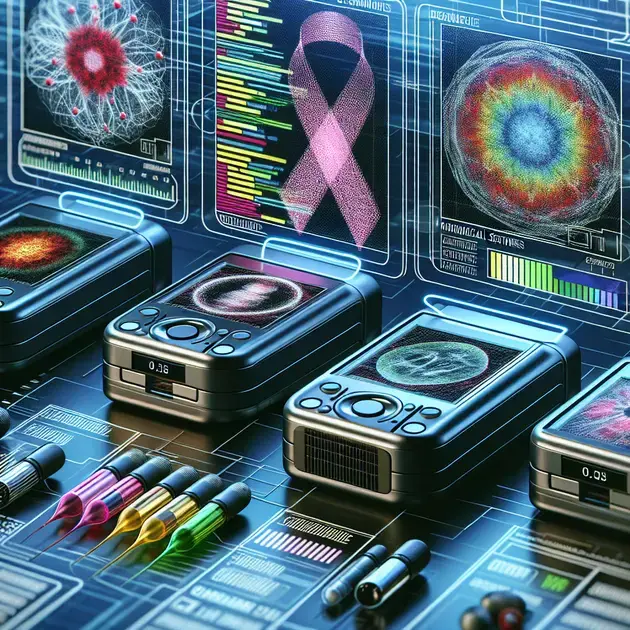
The potential impact of this finding on cancer diagnosis is significant. Current methods often rely on invasive and time-consuming procedures like biopsies, which can delay treatment. With the development of these scanners, doctors will have a powerful tool to quickly and accurately identify different types of cancer, leading to earlier intervention and better patient outcomes.

The study suggests that each type of cancer has its own unique molecular characteristics, or ‘fingerprints’, which differentiate it from other types of cancer. By analyzing these features, the portable scanners can precisely detect the presence of cancer cells. This technology offers a non-invasive alternative to traditional diagnostic methods, reducing patient discomfort and speeding up the process.

The potential applications of these scanners in healthcare are vast. They could revolutionize cancer diagnosis, as well as have significant implications for screening and prevention efforts. Detecting cancer at its earliest stages, when treatments are more effective, could save numerous lives by enabling timely interventions.

However, it is important to note that this study is still in its early stages, and more research is needed to validate the accuracy and effectiveness of these scanners. Additionally, their development and implementation will require substantial investment and regulatory approval.

In conclusion, the discovery of unique molecular ‘fingerprints’ in different types of cancer opens up exciting possibilities for faster and earlier detection. The development of small, portable scanners provides a non-invasive and highly accurate method for identifying cancer, potentially revolutionizing diagnosis and treatment. Further research and investment are necessary, but this study represents a significant step forward in the fight against cancer.