Home Blog Page 170

You are what you eat…and so are your grandkids? Study links poor diet to multi-generational health issues


The Lingering Impacts of Malnutrition: Are Health Risks Hereditary?

Title: The Lingering Impacts of Malnutrition: Are Health Risks Hereditary?

Introduction:

Malnutrition has long been recognized as a major global health concern, affecting millions of individuals worldwide. A recent animal study has shed light on the potential long-term consequences of malnutrition by demonstrating that the effects may extend beyond the individual and impact future generations. This article explores the findings of the study, assessing the transmission of health risks associated with protein-deficient diets.

Understanding the Study:

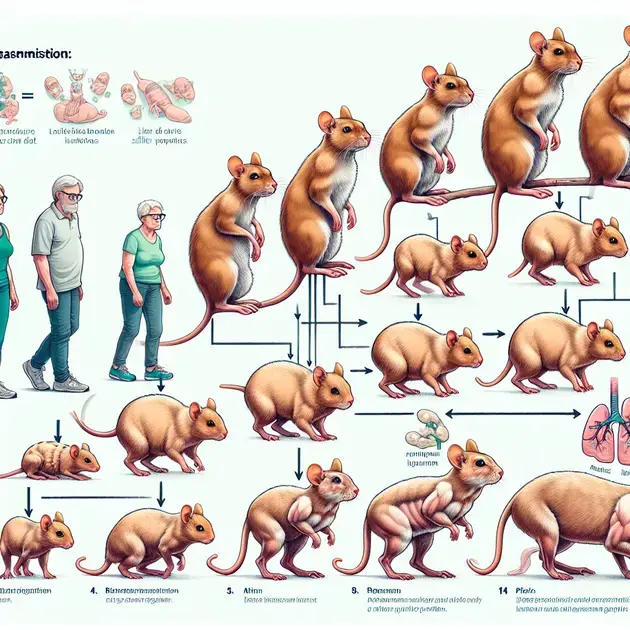
The study, conducted on animals, investigated the effects of protein-deficient diets on subsequent generations. Researchers observed that the repercussions of malnutrition persisted across four generations, leading to lower birth weights and smaller kidneys in offspring. These findings suggest that the physiological changes induced by malnutrition can somehow be transmitted from one generation to another.

Insights into Human Health:

Although the study focused on animal subjects, it raises intriguing questions about the potential intergenerational impacts of malnutrition in humans. Malnutrition is a significant global issue, particularly prevalent in developing countries, where access to proper nutrition is limited. If similar patterns are observed in humans, it could have profound implications for public health interventions and preventive measures.

Epigenetics and Transgenerational Effects:

To comprehend how malnutrition can potentially be transmitted across generations, researchers have turned their attention to the field of epigenetics. Epigenetic modifications refer to alterations in gene expression patterns without any changes to the underlying DNA sequence. These modifications can be influenced by environmental factors and lifestyle choices, including diet. It is believed that these epigenetic changes may be responsible for transferring the effects of malnutrition to subsequent generations.

Policy Implications and Future Research:

The implications of this study are significant in terms of understanding the interplay between nutrition and long-term health. These findings could serve as a catalyst for policy changes and interventions aimed at breaking the cycle of malnutrition and its potential intergenerational effects. Additionally, further research is needed to determine the precise mechanisms that enable the transmission of malnutrition-related health risks across generations.

Conclusion:

The animal study discussed in this article highlights the potential for malnutrition to have lasting effects that extend beyond individual health and impact future generations. While more research is needed to fully elucidate the mechanisms involved, these findings underscore the importance of addressing malnutrition as a global health priority. By taking steps to tackle malnutrition, we can strive towards a healthier future for all, not only in terms of individual well-being but also by mitigating the risk of transgenerational health consequences.

Is it possible to transmit the consequences of malnutrition? A recent animal study discovered that an inadequate intake of protein in one generation resulted in correlated health hazards, such as lower birth weight and smaller kidneys, in offspring spanning four generations.


Personalized blood count could lead to early intervention for common diseases

A Complete Blood Count (CBC) Screening: Overlooked Deviations in Health

A complete blood count (CBC) screening is a routine examination that is commonly requested by physicians for healthy adults. This test analyzes the different components of blood, such as red blood cells, white blood cells, and platelets, providing valuable information about a person’s overall health. However, a new study suggests that the current approach of using a one-size-fits-all reference interval for CBC test results may lead to unnoticed deviations in health.

Researchers conducting a retrospective analysis found that these reference intervals, also known as setpoints, are unique to each individual patient. In other words, the normal range for one person’s CBC test results may not be the same as the normal range for another person. This discovery is of particular importance because it indicates that relying solely on a standardized reference range may prevent healthcare professionals from identifying potential health issues in their patients.

The study revealed that in one case, a healthy patient’s CBC setpoints were distinguishable from 98 percent of other healthy adults. This finding highlights the need for personalized reference intervals that consider each person’s unique characteristics, such as age, gender, and medical history. By establishing personalized setpoints, healthcare professionals can better detect and monitor any deviations from the norm, potentially leading to earlier identification and intervention for various health conditions.

As a routine examination, a CBC screening plays a crucial role in maintaining health and detecting potential issues. The test provides insight into a person’s red blood cell count, white blood cell count, hemoglobin levels, platelet count, and other essential components. By comparing these results with a personalized reference interval, healthcare professionals can better assess a person’s health status and detect any abnormalities or imbalances.

While the study referenced in this article emphasizes the significance of individualized setpoints for CBC tests, it is important to recognize that the research is based on a retrospective analysis and may not capture the complete picture. Further studies and clinical trials are needed to validate these findings and establish the most effective approach for interpreting CBC test results.

In conclusion, a complete blood count (CBC) screening is a routine examination that provides valuable information about a person’s overall health. While the current one-size-fits-all reference interval may overlook deviations in health, a new study suggests that personalized setpoints are unique to each patient. By considering individual characteristics, healthcare professionals can better detect and monitor potential health issues. However, further research is necessary to confirm these findings and determine the most optimal approach for interpreting CBC test results.

You are what you eat…and so are your grandkids? Study links poor diet to multi-generational health issues

“`html


The Intergenerational Effects of Malnutrition

The Intergenerational Effects of Malnutrition: Insights from Animal Studies

Malnutrition is a pressing global issue that affects millions, particularly in vulnerable populations where access to nutritious food is limited. A recent groundbreaking study on animals raises critical questions about the long-term implications of malnutrition, suggesting that its effects can transcend generations. This research reveals that a protein-deficient diet in one generation can lead to a host of related health risks in offspring that persist for up to four generations.

Understanding Malnutrition and Its Impact

Malnutrition fundamentally refers to deficiencies, excesses, or imbalances in a person’s intake of energy and nutrients. When individuals, particularly during critical developmental periods, do not receive adequate proteins, vitamins, and minerals, it can lead to immediate health issues and developmental delays. However, this study sheds light on a more profound concern: the lasting impact of these nutritional deficits beyond the immediate effects.

Key Findings of the Study

The study highlights how a protein-deficient diet in one generation can result in:

  • Lower Birth Weight: The first generation of offspring born to protein-deficient parents exhibited significantly lower birth weights. Birth weight is a crucial indicator of health at birth and can influence longevity and overall health outcomes throughout life.
  • Smaller Kidneys: Alongside reduced birth weight, the offspring showed smaller kidney sizes. Kidney health is inherently linked to systemic health, and smaller kidneys can indicate potential future health complications, particularly related to renal function.

These traits were not just confined to the immediate offspring but were noted across multiple generations, extending the impact to up to four generations in the study subjects. This suggests a profound and disturbing possibility that the health implications of malnutrition could be hereditary.

Mechanisms Behind Intergenerational Effects

While the precise biological mechanisms remain a subject for further research, the implications may involve epigenetic changes — modifications in gene expression that do not alter the DNA sequence but can be influenced by environmental factors like nutrition. These changes could be passed down to subsequent generations, potentially explaining why descendants of malnourished individuals display similar health risks.

Implications for Public Health and Policy

The insights gained from this animal study have significant ramifications for public health policy. Firstly, they underscore the urgent need for nutritious food access for vulnerable populations, particularly during pregnancy and early childhood, which are critical periods for development. Failure to provide adequate nutrition could have complex, long-lasting consequences that extend beyond the immediate health of individuals, altering the health trajectory of future generations.

Conclusion

The findings from this research highlight the intricate connection between nutrition and generational health outcomes. As we grapple with global malnutrition, understanding the potential for intergenerational effects necessitates a holistic approach to public health. By addressing the nutritional needs of today, we are also safeguarding the health of tomorrow’s generations, emphasizing the need for continued research and action in combating malnutrition on a global scale.

Is it possible to transmit the effects of malnutrition? A recent animal study discovered that a protein-deficient diet in one generation resulted in associated health risks, such as lower birth weight and smaller kidneys, in offspring that persisted for four generations.


“`

Soda taxes don’t just affect sales: They help change people’s minds

“`html


The Impact of Berkeley’s Soda Tax on Public Health and Social Norms

The Impact of Berkeley’s Soda Tax on Public Health and Social Norms

A decade ago, the city of Berkeley, California, made headlines by implementing the first soda tax in the nation. This pioneering move aimed to combat the rising health concerns associated with sugar-sweetened beverages, such as obesity, diabetes, and other related diseases. Since its inception, the Berkeley soda tax has not only led to a decrease in soda sales but has also sparked significant shifts in societal attitudes and norms surrounding sugary drinks.

The initial goal of the soda tax was to reduce the consumption of unhealthy beverages. Studies following the implementation of the tax have shown a substantial decline in sales of sugary drinks, indicating that economic disincentives can effectively alter consumer behavior. In fact, data suggested a drop in soda consumption not only in Berkeley but also in surrounding areas as the idea of a soda tax gained momentum statewide.

Beyond merely impacting sales figures, the Berkeley soda tax has played a crucial role in modifying public perceptions of health and wellness. As residents became more aware of the health implications associated with sugary beverages, conversations about nutrition and healthier alternatives began to permeate everyday discussions. This shift has encouraged many individuals to reconsider their dietary choices and opt for healthier options, contributing to a broader public health narrative.

Moreover, the success of Berkeley’s soda tax has inspired similar legislative efforts across the Bay Area and even nationally, as other municipalities recognize the potential benefits of such taxes. These initiatives not only aim to lower sugar consumption but also signify a cultural transformation towards prioritizing health and wellness within communities. Increased public discourse around nutrition, wellness programs, and accessible health resources have emerged in tandem with these tax efforts, further solidifying a cultural shift.

In addition to reducing sugary drink consumption, the revenue generated from these taxes has often been allocated to community health programs, education initiatives, and improvements in public spaces. This reinvestment into the community helps address the very public health crises the soda tax aims to combat, thereby creating a positive feedback loop that emphasizes the importance of health-conscious choices.

In conclusion, Berkeley’s soda tax has had far-reaching effects that extend beyond simple economics. By reducing sugary drink sales and fostering a shift in social norms and attitudes about wellness, Berkeley has set a precedent that other regions are beginning to follow. As communities across the nation grapple with health issues related to sugar consumption, the lessons learned from Berkeley’s pioneering efforts will undoubtedly inform future public health policies and initiatives. In a larger context, the soda tax serves as a powerful example of how local legislation can be an effective tool for improving community health and reshaping societal attitudes.

The city of Berkeley implemented the first soda tax in the nation a decade ago, and more recently, there have been tax increases on sugar-sweetened beverages in the Bay Area. These measures have resulted not only in decreased sales but have also been linked to significant shifts in social norms and attitudes regarding the healthfulness of sugary drinks.


“`

Is coconut water a good pre-workout drink?


Is Coconut Water a Good Pre-Workout Drink?

Title: Is Coconut Water a Good Pre-Workout Drink?

Introduction:

Fitness enthusiasts often prioritize consuming a protein shake or a banana smoothie before embarking on their workout sessions. These pre-workout drinks are known to enhance energy levels and improve overall performance. While water is a suitable choice for staying hydrated during exercise, there has been a growing trend of utilizing alternative options like coconut water as a potential pre-workout drink. This article aims to explore whether coconut water is indeed a good choice for energizing the body before exercising.

Body:

Many individuals opt for coconut water as a pre-workout drink due to its numerous benefits. Firstly, coconut water is a natural source of hydration that contains essential electrolytes, such as potassium and magnesium. These electrolytes aid in maintaining proper fluid balance and preventing muscle cramps during physical exertion.

Additionally, coconut water is low in calories and fat compared to other pre-workout drink options, making it an ideal choice for individuals who are conscious of their caloric intake. Its naturally occurring sugars provide a quick energy boost, which can be beneficial for those seeking a burst of energy before their exercise regimen.

Coconut water also contains antioxidants, which can help reduce oxidative stress caused by intense physical activity. These antioxidants contribute to overall cell health, promoting faster recovery and aiding in the removal of harmful free radicals from the body.

Furthermore, the presence of natural sugars and electrolytes in coconut water can help regulate blood sugar levels during exercise, preventing sudden spikes or crashes that may negatively impact performance.

Conclusion:

In conclusion, coconut water can indeed be considered a good pre-workout drink option for fitness enthusiasts. Its natural hydration properties, essential electrolytes, low caloric content, and quick energy boost make coconut water a suitable choice for enhancing performance and maintaining optimum hydration levels during exercise. However, it is essential to keep in mind individual preferences and tolerance levels when incorporating any pre-workout drink into a fitness routine. Consulting a healthcare professional or a nutritionist is always recommended for personalized advice and guidance.

Fitness enthusiasts often choose to have a protein shake or banana smoothie before exercising. Consuming a pre-workout drink can greatly enhance energy levels and overall performance. Although water alone is sufficient for hydration during exercise, opting for coconut water can provide an added energy boost. In the article, “Is coconut water a good pre-workout drink?”, we explore the benefits of incorporating coconut water into your pre-workout routine.


Morning Rush? Try These 5-Minute High Protein Breakfasts That Keep You Full and On Track!


Quick and Easy High-Protein Breakfasts

We all know how unpredictable life can be, especially when mornings don’t go as planned. Yesterday, a sudden change in plans made me appreciate the simple joys of having ready-to-go, high-protein breakfasts that fit seamlessly into a busy lifestyle. From Greek yogurt cookie dough bowls to chocolate chip pancake bowls, these quick, delicious meals are not only lifesavers on hectic days, but also vital in supporting my ongoing weight loss journey—a journey that’s seen me shed and maintain a 130-pound loss over the past nine years. In this blog, I’ll be sharing these beloved recipes that ensure I’m nourished, satisfied, and ready to face whatever the day throws my way.

Greek Yogurt Cookie Dough Bowl: A Flavorful Kickstart

One of my go-to options is the Greek yogurt cookie dough bowl. Trust me, it’s as delectable as it sounds. Here’s how to whip it up:

  • Ingredients: You’ll need ¾ cup of plain fat-free Greek yogurt (my personal favorite is from Costco), ½ cup of thawed frozen strawberries, ½ medium banana sliced, 1 tablespoon of milk chocolate chips, and 1½ tablespoons of powdered peanut butter mixed with water. Don’t forget the star of the show—20 grams of protein powder—I recommend HTT Subs’ Maple Cookie flavor for its exquisite taste that complements the yogurt perfectly.
  • Directions: Combine the peanut butter mixture and protein powder in a bowl and mix until thick and well-blended. Add in your fruits and chocolate chips, integrating them all into this deliciously creamy concoction. The combination of Greek yogurt and protein powder yields a wholesome breakfast packed with approximately 38.5 grams of protein, ensuring sustained energy and satisfaction.

This meal isn’t just about calorie counting—it’s a celebration of flavors that keeps me excited for breakfast. Given that it only takes a few minutes to prepare, it’s perfect for mornings when I’m running late.

Chocolate Chip Pancake Bowl: Breakfast Meets Brilliance

Next on the menu is the chocolate chip pancake bowl, an innovation that combines the comfort of pancakes with the convenience of a bowl meal.

  • Ingredients: Begin with ½ cup of protein pancake mix (Kodiak Power Cakes are a fantastic choice) and mix it with ⅔ cup of protein milk like Fairlife. For sweetness and nutrition, add a cup of thawed frozen fruit—my bowl includes ½ cup of sliced peaches and ½ cup of strawberries. Stir in a tablespoon of reconstituted powdered peanut butter, a teaspoon of milk chocolate chips, and sweeten with a low-calorie syrup of your choice.
  • Directions: In a microwave-safe bowl, blend the pancake mix and milk until smooth. Microwave in 30-second intervals, stirring each time, until the mixture sets into a thick, pancake-like consistency. This usually takes about a minute and a half. Once ready, layer your fruit on top, drizzle with peanut butter, and finish with syrup. Each bowl delivers around 24 grams of protein and is irresistibly tasty.

This dish is a testament to the power of creativity in the kitchen. It’s amazing how a simple idea—turning a pancake into a bowl—can transform your mornings. Not only is it quick to make, but it’s also a visual and gastronomic delight.

Sustaining Weight Loss with Portion Control

A cornerstone of my weight loss journey has been mastering portion control. Each ingredient in these meals is carefully measured, ensuring that I stay within my target intake while still enjoying my food. This strategy has been pivotal not only in losing but maintaining a 130-pound weight loss—a feat I’m incredibly proud of.

My weight loss ebook, “The First 50,” is a resource designed to help others achieve similar success through detailed meal plans and portion guidance. It represents the principles of mindful eating that have been integral to my weight loss journey.

Mindset Over Meals

Remember, weight loss is as much about mindset as it is food choices. Each morning, when I prepare these meals, I’m not just feeding my body—I’m reinforcing a mindset that prioritizes health and well-being over convenience and fleeting indulgence. This journey is not solely about the numbers on a scale; it’s about nurturing a heart and mindset resilient enough to endure life’s unpredictable challenges.

In conclusion, life may sometimes force us to sacrifice our morning calm for urgency and haste. Yet, with high-protein breakfasts like these, I’m reassured knowing I start each day nourished, satisfied, and one step closer to my goals. So, whether you’re racing out the door or enjoying a leisurely morning, keep these recipes in your arsenal—they’re quick, easy, and a testament to the delicious success of a healthy lifestyle.


Mothers’ language choices have double the impact in bilingual families

“`html


Mothers’ Impact on Language Exposure: A New Perspective on Bilingual Parenting

Mothers’ Impact on Language Exposure: A New Perspective on Bilingual Parenting

Recent research has shifted the paradigm on bilingual language exposure in children, revealing surprising insights into the roles of mothers and fathers. Traditionally, parenting advice has emphasized the importance of family strategies for language acquisition, often promoting shared responsibilities between both parents. However, a groundbreaking study suggests that when it comes to nurturing bilingualism, mothers hold a significantly greater influence on language exposure than fathers—up to twice as much.

The study challenges conventional wisdom by examining language use on an individual basis rather than solely focusing on the family’s overall approach. This nuanced perspective highlights the importance of both maternal and paternal contributions to language development, while underscoring the striking disparity in their impacts. Researchers found that mothers often bear the primary responsibility for language modeling, interacting, and providing linguistic input to their children, which can lead to enhanced language acquisition.

The implications of these findings stretch beyond the realm of parenting. Policymakers, healthcare providers, and professionals working with bilingual families may need to reconsider their strategies and advice based on this research. Understanding the significant role that mothers play in language exposure can help tailor interventions and support systems that empower families to facilitate bilingual development more effectively.

This research underscores the complexity of bilingual parenting and the varying dynamics that exist within families. It also opens the door for further exploration into how cultural, social, and economic factors influence these roles. As more families navigate the challenges of raising bilingual children, recognizing the pivotal role of mothers in language exposure could lead to more informed and effective practices.

In conclusion, this study offers a fresh perspective on bilingual language development, emphasizing the substantial impact mothers have on fostering language skills in their children. By embracing these insights, stakeholders can better support families in their bilingual journeys, ultimately enriching the linguistic landscape of future generations.


“`

Mothers’ language choices have double the impact in bilingual families


New Study Reveals Mothers’ Significantly Greater Impact on Language Exposure

New Study Reveals Mothers’ Significantly Greater Impact on Language Exposure

New research has challenged conventional wisdom regarding bilingual parenting, revealing that mothers have twice the impact on language exposure compared to fathers. The study’s findings suggest that there is no single ‘best’ strategy for raising a bilingual child, but rather, the individual language use of parents is a crucial factor to consider.

Conducted by researchers, this study sought to explore the effectiveness of various bilingual parenting strategies. However, by examining parents’ language use individually instead of focusing solely on the overall family approach, the researchers made a surprising discovery: mothers exerted up to twice the influence on language exposure compared to fathers.

These findings hold significant implications for various stakeholders, including policymakers, healthcare professionals, and experts who provide guidance to bilingual families. By recognizing the substantial impact of mothers, these key influencers can tailor their advice and support accordingly.

This research calls for a reevaluation of the traditional notions surrounding bilingual child-rearing. It highlights the importance of acknowledging and empowering mothers in facilitating language development. Moreover, it suggests that a comprehensive approach that takes into account the unique contributions of both parents can be beneficial for raising bilingual children.

Ultimately, this study contributes to a more nuanced understanding of the role parents play in language exposure, emphasizing the need to consider gender dynamics when formulating effective parenting strategies. With these insights, policymakers and professionals can provide better support and resources to enable bilingual families to thrive.


Enabling AI to explain its predictions in plain language


Breakthrough in AI Explanation

Researchers Develop System to Convert AI Explanations into Narrative Text

Researchers have recently made an intriguing breakthrough in the field of artificial intelligence (AI) explanation.
They have successfully developed a system that transforms complex AI explanations into narrative text, making it much more
comprehensible for users. This advancement has the potential to greatly assist users in determining the reliability of a model’s predictions,
even in cases where they may not have the technical expertise to fully comprehend the underlying AI algorithms.

Addressing the Challenge of AI Prediction Trustworthiness

The ability to explain the reasoning behind AI predictions has always been a challenge. Although AI models have demonstrated remarkable
accuracy in various fields, many users find it difficult to trust these predictions without understanding the underlying processes.
This new system aims to bridge that gap by converting AI explanations into narrative text that can be easily understood
by a broader audience.

Making AI Explanations Accessible

The researchers focused on creating a system that not only provides explanations for AI predictions but also communicates them effectively.
By transforming highly technical explanations into a more narrative format, they aimed to make it easier for users to grasp the decision-making
process of the AI model. The system utilizes advanced natural language processing techniques to achieve this translation from technical jargon
to a more accessible narrative text.

Implications in Various Industries

This breakthrough could have significant implications in various industries that heavily rely on AI models, such as healthcare, finance, and
autonomous vehicles. For example, in healthcare, understanding the reasoning behind AI predictions is crucial for medical professionals to trust
the accuracy of disease diagnosis or treatment recommendations. With the help of this system, medical practitioners who are not well-versed
in AI algorithms can still make informed judgments about the predictions made by the AI model.

Trustworthiness Assessment

The potential applications of this technology go beyond individual cases as well. Decision-makers in various domains can benefit from this system,
allowing them to assess the trustworthiness of AI models on a larger scale. With explanations presented in a narrative format,
stakeholders can gain a better understanding of the decision-making process and can evaluate whether or not to rely on the predictions
made by the models.

Further Development and Challenges

However, it is important to note that the development of this system is still in its early stages, and further research and improvements are required.
The challenge lies in translating the technical language of AI explanations into a narrative that captures both accuracy and comprehensibility.
It is a complex task to strike a balance between simplicity and conveying the essential details required to comprehend the AI model’s predictions
correctly.

Conclusion

In conclusion, the system developed by researchers to convert AI explanations into narrative text represents a significant advancement in the field.
With this technology, users can gain a better understanding of how AI models arrive at their predictions. The potential impact on various
industries is vast, as it allows users to determine when to trust the predictions made by AI models, even without a deep understanding of
the underlying algorithms. As further advancements are made, this system could become an invaluable tool for enhancing trust and transparency
in AI applications.


Research shows new treatment could delay cancer progression in patients with high-risk smoldering multiple myeloma

Title: Promising New Treatment for High-Risk Smoldering Multiple Myeloma


Promising New Treatment for High-Risk Smoldering Multiple Myeloma

Introduction:

Smoldering multiple myeloma (SMM) is a precancerous condition that has the potential to progress into active multiple myeloma, a type of blood cancer. Individuals with high-risk SMM face an increased likelihood of disease progression. However, a new treatment is showing promising results in managing and potentially preventing the progression of high-risk SMM. In this article, we will explore the potential of this treatment and its implications for patients with high-risk SMM.

Body:

High-risk SMM poses a significant challenge for both patients and healthcare providers due to its possibility of evolving into active multiple myeloma. The current treatment approach for SMM involves a watch-and-wait strategy, monitoring patients for signs of disease progression. However, this can leave patients anxious and uncertain about their future. In recent years, researchers have been exploring new therapeutic options to address the high-risk nature of SMM.

One of these emerging treatments is [insert treatment name]. This innovative approach aims to delay or prevent the progression of SMM, potentially averting the development of blood cancer altogether. Initial studies have shown promising results, with a significant number of high-risk SMM patients experiencing prolonged periods without disease progression.

[Insert treatment name] works by targeting specific markers or genetic abnormalities associated with high-risk SMM. By doing so, it effectively impedes the growth and development of malignant plasma cells, which are characteristic of multiple myeloma. This targeted therapy approach offers a more personalized and effective treatment option for high-risk SMM patients, compared to conventional therapies.

Furthermore, the side effects of [insert treatment name] appear to be manageable and generally well-tolerated. This is a crucial aspect when considering long-term treatment plans for patients with SMM, as they often require ongoing therapy to prevent disease progression. The ability to administer [insert treatment name] with minimal disruption to patients’ quality of life further enhances its potential as a front-line treatment for high-risk SMM.

Although [insert treatment name] shows promise, it is important to note that further clinical trials and studies are necessary to confirm its efficacy and establish its long-term safety profile. Additionally, the accessibility and affordability of the treatment will be key considerations to ensure that it can reach a wider population of high-risk SMM patients.

Conclusion:

The introduction of a new treatment offers hope for individuals with high-risk SMM, who face an increased risk of progressing to active multiple myeloma. With encouraging results from initial studies, [insert treatment name] has the potential to revolutionize the management of high-risk SMM by delaying or preventing disease progression. However, continued research and development are required to validate its effectiveness and ensure its accessibility for all patients in need.