Home Blog Page 167

How chemical reactions deplete nutrients in plant-based drinks

“`html


Limitations of Plant-Based Drinks: A Study on Protein Quality Compared to Cow’s Milk

Limitations of Plant-Based Drinks: A Study on Protein Quality Compared to Cow’s Milk

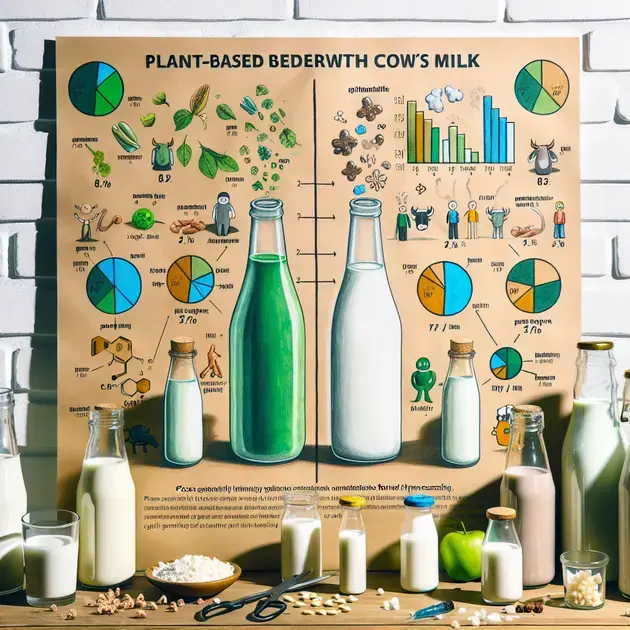
A new study highlights a significant concern regarding the nutritional profile of plant-based drinks: they often fall short in protein content and essential amino acids when compared to traditional cow’s milk. This deficiency is primarily attributed to the extensive processing these beverages undergo, which can degrade the quality of the proteins contained within.

Plant-based drinks, made from ingredients such as soy, almond, oat, and coconut, have gained popularity as alternatives to dairy milk. They are often marketed as healthier and more sustainable options. However, consumers may not be fully aware of the nutritional trade-offs involved. While these drinks can be lower in calories and saturated fat, the study indicates they may lack the complete protein profile that is present in cow’s milk, which contains all the essential amino acids necessary for human health.

The processing methods employed in the production of plant-based drinks can lead to chemical reactions that not only reduce protein quality but also alter the product’s overall nutritional value. These reactions can break down proteins into smaller peptides or amino acids, potentially diminishing their efficacy and resulting in a loss of bioavailability. Furthermore, the study points to the generation of new substances during processing that may raise health concerns, although further investigation is needed to understand the implications of these changes fully.

Moreover, the pursuit of creating palatable and shelf-stable plant-based drinks often leads manufacturers to add sugars, flavors, and stabilizers, which can mask the nutritional deficiencies while appealing to consumers’ taste preferences. This trend underscores the importance of scrutinizing ingredient labels for additives that may detract from the overall health benefits of these beverages.

In light of this study, consumers seeking to replace cow’s milk with plant-based options should consider fortifying their diets with additional sources of protein and essential amino acids. Foods such as legumes, nuts, seeds, and whole grains can complement plant-based drinks and help achieve a balanced nutritional intake.

The findings of this research serve as a crucial reminder for both consumers and manufacturers: while plant-based drinks offer an alternative to dairy, it’s vital to approach them with a mindful understanding of their potential nutritional limitations. As the demand for plant-based products continues to rise, ongoing research and development will be essential to improve the quality and nutritional profiles of these beverages, ensuring they can serve as viable options in a balanced diet.

A recent study on plant-based beverages has uncovered a prevalent issue: they have significantly lower levels of proteins and essential amino acids when compared to cow’s milk. This discrepancy can be attributed to the extensive processing these beverages undergo, which leads to chemical reactions that diminish the quality of the proteins present in the final product. In certain instances, this processing may even result in the formation of potentially harmful substances.


“`

Increase your water intake with these 16 hydrating foods


Winter Hydration Tips for Blog Post

Winter Hydration Tips

Winter may bring a chill, but it doesn’t mean your hydration should take a hiatus. Many people believe that they only need to drink more water in the summer when they sweat a lot, but that’s not true. It’s easy to forget that even during winter, our bodies lose water through perspiration and urine.

Staying hydrated is crucial for our overall health and well-being, regardless of the season. In fact, proper hydration is even more important during the winter months when cold temperatures and dry air can deplete our body’s water reserves.

To ensure optimal hydration during winter, it is essential to incorporate hydrating foods into our diet. These foods not only provide water but also offer additional health benefits. Here are 16 hydrating foods that can help you increase your water intake this winter:

  1. Cucumber: With a high water content of around 96%, cucumbers are an excellent hydrating food. They also provide essential nutrients such as vitamin K and potassium.
  2. Watermelon: Despite its name, watermelon is not just a summer fruit. It is hydrating all year round and contains about 92% water. Additionally, it is a great source of vitamins A and C.
  3. Celery: Crunchy and refreshing, celery contains about 95% water. It is also rich in fiber, which aids in digestion and promotes a healthy gut.
  4. Citrus fruits: Oranges, grapefruits, lemons, and limes are packed with water and vitamin C. These fruits not only keep you hydrated but also support your immune system during the winter season.
  5. Spinach: This leafy green not only provides hydration but also offers a plethora of nutrients, including iron, calcium, and vitamins A and K.
  6. Strawberries: These red berries are not only delicious but also hydrating, with a water content of around 91%. They are also a great source of antioxidants.
  7. Bell peppers: Colorful and crisp, bell peppers contain a high water content along with vitamins C and A. They make a perfect addition to winter salads and stir-fries.
  8. Broccoli: This cruciferous vegetable is not only hydrating but also rich in fiber and antioxidants. It also provides vitamins C and K.
  9. Pineapple: This tropical fruit is not only refreshing but also hydrating, with a water content of about 87%. It also contains bromelain, an enzyme that aids digestion.
  10. Coconut water: While not a food, coconut water is a natural and hydrating beverage that replenishes electrolytes and provides essential minerals.
  11. Tomatoes: These juicy fruits are not only hydrating but also rich in antioxidants and vitamins C and A. They are versatile and can be enjoyed raw, cooked, or in sauces.
  12. Cauliflower: This winter vegetable contains about 92% water and is packed with fiber, vitamins C and K, and antioxidants.
  13. Kiwi: These small fruits are packed with water and provide a burst of vitamins C and E. They also offer dietary fiber, making them a healthy winter snack.
  14. Radishes: Crisp and spicy, radishes are hydrating and provide a good amount of vitamins C and K. They can be enjoyed raw or cooked.
  15. Grapes: These tiny fruits offer hydration and are packed with antioxidants, vitamins C and K, and dietary fiber. They make a delicious and healthy winter snack.
  16. Avocado: Creamy and nutritious, avocados are not only hydrating but also provide healthy fats and fiber. They are a versatile fruit that can be enjoyed in salads, sandwiches, or as guacamole.

Remember, staying hydrated is essential all year round, even during the winter months. Incorporating these hydrating foods into your diet can help you maintain optimal hydration levels and support overall health and well-being. Stay nourished, stay hydrated, and thrive during winter.


Psoriasis diet: What to eat and how to prevent a flare-up


Psoriasis Diet: What to Eat and How to Prevent a Flare-up

Psoriasis Diet: What to Eat and How to Prevent a Flare-up

Psoriasis, a chronic autoimmune condition, is characterized by thick, scaly patches of skin that can occur anywhere on the body. These patches are not only unsightly but can also be painful for those who suffer from this condition. While medications are available to manage the symptoms, a well-balanced diet can also play a significant role in alleviating the symptoms and preventing flare-ups.

A good psoriasis diet should include a variety of fruits and vegetables. These contain essential nutrients and antioxidants that can help to reduce inflammation, improve immune function, and promote overall skin health. Some beneficial options include leafy greens like spinach and kale, colorful fruits like berries and oranges, and cruciferous vegetables like broccoli and cauliflower.

Incorporating nuts into your diet can also be beneficial for those with psoriasis. Nuts are rich in healthy fats, such as omega-3 fatty acids, which have anti-inflammatory properties. Walnuts, almonds, and flaxseeds are excellent choices to consider.

Legumes are another essential component of a psoriasis diet. They are excellent sources of plant-based protein and fiber, which can help to regulate blood sugar levels and promote digestive health. Lentils, chickpeas, and black beans are great options to incorporate into your meals.

Additionally, lean protein food items should be included in a psoriasis diet. Opt for lean sources of protein like chicken, turkey, fish, and tofu. These provide important nutrients that support skin health and overall well-being.

While there is no specific diet that guarantees the prevention of psoriasis flare-ups, certain foods should be avoided as they may trigger or worsen symptoms in some individuals. These include processed foods, red meat, dairy products, refined sugars, and alcohol. It is also recommended to limit or avoid gluten-containing foods, as some individuals with psoriasis may have sensitivity to gluten.

In addition to following a healthy diet, it is crucial to stay hydrated by drinking plenty of water. Adequate hydration helps to keep the skin moisturized and can prevent dryness and itching. Avoiding excessive stress, getting regular exercise, and getting enough sleep are also important aspects of overall health and can contribute to managing psoriasis symptoms.

In conclusion, while there is no cure for psoriasis, adopting a balanced and nutritious diet can have a positive impact on managing symptoms and preventing flare-ups. Including fruits and vegetables, nuts, legumes, and lean protein food items can provide the essential nutrients needed for healthy skin and overall well-being. It is also crucial to avoid trigger foods and maintain a healthy lifestyle to support overall management of psoriasis.

Thick, scaly patches of skin are the predominant symptom of psoriasis. These patches can occur anywhere on the body and often cause discomfort. Although there are medications available to manage these symptoms, following a proper diet can also provide significant benefits. A psoriasis-friendly diet should include a variety of fruits and vegetables, nuts, legumes, and lean sources of protein. By adhering to these dietary guidelines, individuals can help prevent flare-ups of psoriasis and improve their overall well-being.


What Causes Swelling in the Back of Your Knee—And What Could It Mean?


What Causes Swelling in the Back of Your Knee—And What Could It Mean?


Swelling in the back of the knee can be an unexpected and perplexing symptom, often leaving those affected wondering about its underlying causes. While major knee injuries like ACL tears tend to cause significant swelling throughout the entire joint, localized swelling in the back of the knee might suggest different issues. In this blog, we delve into the potential reasons behind such swelling, exploring conditions like posterior arthritis, meniscus tears, and Baker’s cysts. Building upon insights shared by Dr. David Guyer, a triple board-certified orthopedic surgeon, we aim to shed light on these conditions and offer a clearer understanding of what might be happening beneath the surface of your skin. Whether you’re experiencing this troubling symptom yourself or simply curious, we invite you to read on and discover more about this specific type of knee swelling and the steps you might consider for relief and recovery.

1. Posterior Arthritis:

One potential cause of swelling at the back of the knee is arthritis affecting the posterior section of the knee joint. Osteoarthritis, a degenerative joint disease, can lead to cartilage breakdown, predominantly affecting areas like the back of the femur and tibia. Unlike the generalized swelling seen in major ligament injuries, arthritis-related swelling can localize itself due to the areas it affects most.

  • Symptoms may include stiffness, pain, and reduced range of motion.
  • Swelling is not excessively prominent but can be persistent due to the ongoing degenerative changes.
  • Management strategies can include lifestyle modifications, physical therapy, and in some cases, medication to manage pain and slow progression.

2. Meniscus Tears:

The meniscus is a crucial component of the knee, serving as a shock absorber between the femur and tibia. Tears in the meniscus, particularly in the posterior horn, can cause swelling towards the back of the knee.

  • Meniscus tears are common in athletes or after sudden twisting injuries.
  • Swelling can be accompanied by locking, catching sensations, or knee instability.
  • Initial management can involve rest, ice, compression, and elevation (RICE), but persistent or mechanical symptoms might necessitate further intervention, such as physical therapy or even surgery.

3. Baker’s Cyst:

A Baker’s cyst, also known as a popliteal cyst, is a fluid-filled sac that forms at the back of the knee. It is often a result of fluid escaping the knee joint, commonly due to conditions like arthritis or a meniscus tear.

  • The cyst forms because of excess synovial fluid leaking into the bursa, creating a bulge at the back of the knee.
  • Although not dangerous, a Baker’s cyst can cause discomfort and restrict movement.
  • Treatment can range from monitoring the cyst to procedures such as draining the cyst or addressing underlying causes like a meniscal tear.

Diagnosing Swelling at the Back of the Knee:

To accurately diagnose the cause of your knee swelling, a thorough evaluation by an orthopedic specialist is recommended. This often involves:

  • Physical Examination: To assess the knee’s range of motion, stability, and exact swelling location.
  • Imaging Studies: X-rays or MRIs can provide detailed images of the knee structures, helping to pinpoint issues like meniscus tears or arthritis.
  • Ultrasound: Particularly useful for diagnosing Baker’s cysts and evaluating fluid in the knee joint.

Management and Treatment Options:

Once a diagnosis is made, treatment focuses on alleviating symptoms and addressing the root cause of the swelling.

  • Non-Surgical Interventions: For many cases, conservative measures such as rest, physical therapy, anti-inflammatory medications, and injections can effectively manage symptoms.
  • Surgical Options: In cases where conservative treatment fails or if the structural damage is significant, surgery might be considered. Arthroscopic surgery for meniscal tears is one example.
  • Lifestyle Modifications: Maintaining a healthy weight, strengthening the muscles around the knee, and avoiding activities that exacerbate symptoms can be vital components of long-term management.

Preventive Measures:

Preventing knee injuries and managing existing conditions are key to avoiding swelling at the back of the knee.

  • Regular Exercise: Engage in exercises that strengthen the quadriceps, hamstrings, and calf muscles.
  • Adequate Warm-up: Before engaging in physical activities, ensure to warm up properly to prepare the knee joint and surrounding muscles.
  • Protective Gear: Use appropriate footwear and consider knee braces if you are prone to knee injuries.

In conclusion, swelling in the back of the knee, though less common than generalized knee swelling, is a symptom that warrants attention. Exploring the underlying causes such as posterior arthritis, meniscus tears, or Baker’s cysts can guide effective management. Consultation with healthcare professionals, such as orthopedic surgeons, can provide the necessary clarity and direction to ensure knee health is maintained or restored, allowing you to lead an active and pain-free life.


Deck the Halls with Protein-Packed Christmas Meals for a Festive Fat Loss Journey!


Holiday Themed Meals

As the holiday season approaches, many of us find ourselves caught between the joy of festive treats and the commitment to our fitness goals. But what if you could indulge in delightful, holiday-themed meals that not only satisfy your cravings but also keep you on track with your fat loss journey? Welcome to our Christmas-themed meal extravaganza where we transform ordinary breakfast, lunch, and dinner into creative, protein-packed culinary masterpieces. From protein pancake snowmen to reindeer brownies, and even Grinch kebabs, we’re serving up festive dishes that delight both the eyes and the waistline. Join us as we share our tips and recipes for crafting a holiday menu that’s both merry and mindful, perfect for those looking to enjoy the flavors of Christmas while sticking to their health resolutions.

Festive Breakfast: Protein Pancake Snowmen

Our festive culinary journey begins with a breakfast that’s as playful as it is nutritious: protein pancake snowmen. These are not your average pancakes; they’re a delightful blend of protein-rich ingredients and holiday cheer. To create these charming snowmen, start with three toasted Premier Protein pancakes. These pancakes are not only delicious but also packed with protein, making them a great start to your day.

For that snowy touch, mix a quarter cup of plain fat-free Greek yogurt with a scoop of your favorite protein powder—Maple Cookie flavor is a fantastic choice, adding a hint of sweetness and festive aroma. Dollop this mixture to resemble snow, placing it on your pancake snowman’s base. Next, add facial features and accessories using sliced strawberries for the hat, banana slices for a scarf, and chocolate chips for buttons and eyes. A little strawberry serves as a cute nose, while mini marshmallows complete the ensemble, creating an adorable breakfast treat.

Whimsical Lunch: Candy Cane Charcuterie and Grinch Kebabs

As we move to lunch, the holiday creativity continues with a delightful candy cane charcuterie board and Grinch kebabs. This lunch is not just visually appealing but also satisfies midday cravings without derailing your calorie goals. For the candy cane board, alternate slices of turkey pepperoni and cheese, each cut into circular shapes, and lay them out in the shape of a candy cane. Add some holiday-themed crackers like snowflake Ritz, and you’ve got a festive and filling display.

Grinch kebabs are a whimsical addition, featuring skewered grapes, banana slices, strawberries, and marshmallows. These kebabs are not only fun to make but also a nutritious snack or complement to your lunch. They’re a reminder that healthy eating doesn’t have to be boring, even during the festive season.

Nostalgic Dinner: Protein Christmas Tree Pizzas

Dinner takes a nostalgic turn with protein Christmas tree pizzas. Using a homemade dough recipe from my guilt-free cookbook, these pizzas are shaped into festive trees and topped with vibrant and tasty ingredients. The base is a simple mix of flour, Greek yogurt, and seasoning, ensuring a high-protein and satisfying crust.

Decorate your pizza with colorful toppings like light mozzarella cheese, sliced olives, mushrooms, and turkey pepperoni. Each topping represents a Christmas ornament, and a specially cut pepperoni piece adds a star to the top of your tree, bringing the pizza to life with color and flavor. This dish is a perfect example of how you can enjoy traditional favorites, like pizza, while being mindful of your nutritional goals.

Sweet Finale: Reindeer Brownies and Festive Cereal

Our dessert for the evening features reindeer brownies, another playful and festive treat. These are made using fiber-rich brownies and decorated with mini pretzels for antlers, marshmallows, and chocolate chips for eyes, and a red M&M for a nose. With a side of low-calorie yogurt topped with holiday M&Ms, this treat wraps up your festive meal with a sweet but savvy conclusion.

Throughout the day, staying hydrated is crucial, and incorporating beverages like caffeine-free Diet Pepsi or fizzy water complements the meals without adding unnecessary calories. If you’re a fan of holiday-themed cereals, a late-night snack of Elf on the Shelf cereal paired with Fairlife milk is a delightful, protein-rich way to end the day. The cereal’s vanilla flavor and festive marshmallows make it a satisfying treat that sticks to your calorie goals.

Conclusion: A Merry and Mindful Holiday Season

Incorporating variety, creativity, and festive elements into your meal plan can transform your journey towards fitness into an enjoyable experience. This approach shows that you don’t need to compromise on taste or fun, proving that holiday-inspired meals can be both delicious and diet-friendly. By choosing wisely and embracing festive creativity, you can enjoy the joys of the season while maintaining your commitment to health and wellness.

Remember, weight loss and fitness aren’t just about numbers—they’re about enjoying the process, finding joy in what you eat, and taking pride in the choices you make. This holiday season, let your meals be a celebration of creativity, health, and the festive spirit.


What Could That Swelling in the Back of Your Knee Mean? Common Causes Explained by an Orthopedic Surgeon


Blog Article

When faced with an unexpected swelling at the back of your knee, it might be tempting to brush it off as a minor inconvenience. However, this localized swelling can be indicative of various underlying conditions that require attention. As Dr. David Guyer, a triple board-certified orthopedic surgeon and sports medicine specialist, explores in his informative video series, it’s crucial to understand the potential causes of this specific symptom. From meniscus tears to the onset of osteoarthritis or the formation of a Baker’s cyst, these insights can guide you in seeking the appropriate care and treatment. In this blog, we delve deeper into the possibilities behind this swelling and how it relates to overall knee health, helping you make informed decisions about your well-being and performance, regardless of age or injury.

Potential Causes of Swelling at the Back of the Knee

1. Meniscus Tear:

The meniscus is the C-shaped cartilage that acts as a shock absorber between your thighbone (femur) and shinbone (tibia). Tears are common due to sudden twisting movements or degeneration over time. A tear in the posterior horn of the meniscus (back part) often results in swelling localized behind the knee. This swelling might not be extreme but can cause significant discomfort.

  • Symptoms: Pain, stiffness, catching or locking sensations, and swelling around the knee joint, especially towards the back.
  • Diagnosis and Treatment: MRI scans are typically used to confirm a meniscus tear. Treatment ranges from physical therapy and rest to reparative surgery in severe cases.

2. Osteoarthritis:

Osteoarthritis is the degeneration of cartilage and underlying bone within a joint, leading to pain and stiffness. When it affects the knee, the back section of the joint may become particularly inflamed due to wear and tear.

  • Symptoms: Joint pain, tenderness, stiffness, and swelling that worsens with activity or after resting.
  • Diagnosis and Treatment: Arthritis is diagnosed through clinical evaluation and imaging tests like X-rays. Treatment may include lifestyle modifications, physical therapy, medications for pain relief, and sometimes surgery.

3. Baker’s Cyst:

Also known as a popliteal cyst, a Baker’s cyst is a fluid-filled sac that forms behind the knee. It often results from an overproduction of synovial fluid, usually due to another knee condition like arthritis or a meniscus tear.

  • Symptoms: Noticeable swelling, discomfort, and tightness behind the knee, especially during knee extension or complete flexion.
  • Diagnosis and Treatment: An ultrasound or MRI can confirm the presence of a Baker’s cyst. Treatments focus on addressing the underlying cause, such as draining the cyst or treating arthritis or meniscal tears, which may alleviate the cyst.

Addressing the Swelling: Medical Evaluation and Management

With any persistent swelling behind the knee, medical evaluation is crucial. An accurate diagnosis will guide effective treatment and management strategies. Depending on the severity and cause, several approaches can be explored:

  • Physical Therapy: Tailored exercises and stretches can improve flexibility, strengthen muscles around the knee, and alleviate pressure on the joint.
  • Medication: Anti-inflammatory drugs can help reduce swelling and pain, providing temporary relief from symptoms.
  • Lifestyle Modifications: Weight management, avoiding high-impact activities, and using supportive footwear can reduce stress on the knee joint.
  • Surgical Intervention: In cases where conservative treatments fail, surgical options such as arthroscopy for meniscus repair or knee replacement for advanced arthritis may be considered.

Preventive Measures and Long-term Care

Maintaining knee health is vital to preventing future injuries and managing existing conditions without exacerbating symptoms. Here are some preventive measures that can be adopted:

  • Regular Exercise: Engaging in low-impact activities like swimming, cycling, or walking can strengthen muscles and maintain joint flexibility without stressing the knee.
  • Proper Warm-up and Cool Down: Always warm up before exercising, and incorporate stretching into your routine to prevent injuries.
  • Healthy Diet: Nutrition plays a crucial role in joint health. Adequate intake of vitamins, minerals, and omega-3 fatty acids can help preserve cartilage and reduce inflammation.
  • Weight Management: Maintaining a healthy weight reduces the load on your knees, which is crucial for those already experiencing knee issues.

Conclusion

While swelling localized to the back of the knee might initially seem less alarming than full-blown knee swelling, it can signal underlying issues that need attention. Whether it is a meniscus tear, arthritis, or a Baker’s cyst, understanding the cause is the first step towards effective treatment and management. Consulting with an orthopedic specialist like Dr. Guyer can provide valuable insights into appropriate care strategies, ensuring your knee—and overall health—is in the best possible condition.

Remember, the information provided here is for educational purposes and should not be used as a substitute for professional medical advice. Always consult with healthcare providers for diagnosis and treatment tailored to your specific situation.


Your Ultimate Guide to Crafting Festive, Guilt-Free Meals While On A Weight Loss Journey


Festive Guilt-Free Meals

Who says dieting during the festive season has to be dull and restrictive? Welcome to a culinary adventure where holiday cheer meets healthy eating, proving that you can indulge in festive foods while staying committed to your weight loss goals. Inspired by the creative masterpiece of a protein pancake snowman, this blog explores how imaginative cooking can transform traditional holiday treats into delicious, guilt-free meals. Whether you’re striving to lose fat or maintain a balanced diet, our detailed guide will equip you with the knowledge and inspiration to embrace the holidays without compromising your health objectives. Prepare to discover how a sprinkle of festive magic can turn your low-calorie meals into a joyful celebration for the taste buds—all while keeping your calorie count in check. Let’s dive into the joy of cooking and the art of staying healthy, all wrapped up in a Christmas theme that promises every bite is as delightful as it is nutritious.

Protein Pancake Snowmen

Creating themed meals that cater to your health goals doesn’t just have to be a festive fad; it can become a joyous tradition. The experience begins with the preparation of protein pancake snowmen, which are adorable to look at and healthy to savor. Start by using protein-packed pancakes. You can find ready-made options, such as Premier Protein pancakes available at your local warehouse store, or whip some up from scratch if you prefer.

Enhance your pancakes’ nutritional profile by topping them with a quarter cup of plain fat-free Greek yogurt mixed with a fantastic protein powder flavor like Maple Cookie. This addition not only tastes divine but also boosts your protein intake, supporting muscle health and keeping you feeling satiated longer.

Decorate your snowman pancakes with fun yet healthy embellishments. You’ll need:

  • Five strawberries, sliced and de-seeded.
  • Half a medium banana, also sliced.
  • One mini marshmallow.
  • A teaspoon of mini milk chocolate chips.
  • Sugar-free powdered sugar (such as Truvia) for a touch of sweetness.
  • Optional: A drizzle of low-calorie syrup for added flavor.

Assembling your snowman is where the fun truly begins. Create a playful face using chocolate chips for eyes and buttons, and sliced fruits for the nose and a scarf. Finish with a yogurt “snow” base, decorating with powdered sugar for a snowy effect that encapsulates the winter wonderland theme. You can sprinkle any leftover fruits on the side for a refreshing burst.

Candy Cane Charcuterie Board and Grinch-Themed Fruit Skewers

Next on your festive menu is a delightful candy cane charcuterie board paired with Grinch-themed fruit skewers. To assemble your candy cane cheese board:

  • Use two slices of cheese, like marble cheese, and 25g of turkey pepperoni sliced thin.
  • Choose festive-shaped or themed crackers, such as holiday-edition Ritz snowflakes.

For the Grinch Kebabs, you’ll need:

  • Five strawberries (tops sliced flat to resemble Santa hats).
  • Five green grapes.
  • Five banana slices.
  • Five mini marshmallows (cut in half) for Santa hat pom-poms.

Thread each ingredient onto a toothpick, starting with a grape followed by a banana slice, a strawberry, and finally topping it with a half marshmallow. These bite-sized delights bring festive fun to your plate and are perfect for healthy snacking or as a meal accompaniment.

Protein-Packed Christmas Tree Pizzas

Dinner takes a savory turn with protein-packed Christmas tree pizzas. Using a simple yet delicious homemade dough that incorporates Greek yogurt ensures these pizzas stay light and nutritious. Roll out the dough and shape it into a whimsical Christmas tree, then top with:

  • A mixture of light cheese and various toppings like mushrooms and olives to resemble festive ornaments.

Bake until golden and crispy, finishing with a pepperoni star cut from a single slice. Enjoy these pizzas with a refreshing diet soda or water to maintain balance.

Reindeer Brownies and Yogurt with Holiday M&M’s

Dessert doesn’t have to derail your diet, particularly when you indulge wisely. Create reindeer brownies using:

  • Fiber One brownies as the base.
  • Custom toppings, like pretzel pieces for antlers, mini marshmallows with chocolate chips for eyes, and a red M&M for Rudolph’s nose.

Serve these alongside a low-calorie yogurt cup adorned with holiday-themed M&M’s for a touch of festive flair.

Holiday-Themed Cereal Snack

Finally, unwind with a bowl of holiday-themed cereal. Choose those like Elf on the Shelf’s vanilla variety, rich in festive colors and flavors. Pair with protein-enhanced milk, such as Fairlife, for a wholesome late-night treat that satisfies your sweet tooth without exceeding your caloric budget.

Throughout this culinary journey, remember to appreciate the creative process and the flavors that come with it. Eating healthy does not mean eliminating the joy of festivity. It’s about balance and mindful choices that cater to both your taste buds and your health goals.

By infusing your meals with creativity and joy, you can enjoy the holiday season’s spirit without compromising on your dietary commitments. With careful planning and inventive recipes, this season can be both delightful and healthy, reaffirming that a nutritious lifestyle is a celebration in itself.

Conclusion

Create guilt-free festive meals with our guide. From protein pancake snowmen to reindeer brownies, enjoy holiday-themed recipes that align with weight loss goals.


Festive Eats: Delicious and Creative Holiday-Themed Meals While Staying on Track!

“`html

Breakfast: Protein Pancake Snowman

Start your day with a protein-packed punch by constructing a delightful pancake snowman. Using protein pancakes like Premier Protein from Costco, create three toasted pancakes as the body of your snowman. Mix a quarter cup of plain fat-free Greek yogurt with your favorite protein powder—Maple Cookie blends perfectly here. This mixture serves as your “snow” topping.

  • Three protein pancakes
  • 1/4 cup plain fat-free Greek yogurt mixed with protein powder
  • Five strawberries, sliced
  • Half a medium banana, sliced
  • Mini marshmallow and milk chocolate chips for decoration
  • A hint of sugar-free icing sugar and low-calorie syrup

Play around with your food to make it fun and engaging:

  • Use strawberries to form a hat, and a piece for the nose.
  • Arrange sliced bananas as a scarf.
  • Dot chocolate chips as buttons and eyes.

Not only is this breakfast visually appealing, but it’s also loaded with about 28 grams of protein and only 389 calories!

Lunch: Candy Cane Charcuterie and Grinch Kebabs

For lunch, elevate a typical charcuterie board with a candy cane twist. Use turkey pepperoni, cheese slices, and holiday-shaped crackers to create the visual effect of a candy cane. This is a great way to enjoy the flavors of the season without overindulging.

  • Two cheese slices
  • Turkey pepperoni slices
  • Holiday-themed crackers
  • Circular cookie cutter

Simultaneously, craft Grinch kebabs for a light-hearted touch:

  • Toothpick marshmallows, banana slices, strawberries, and grapes to form a festive snack.

This meal is surprisingly low in calories (around 288) and provides 11 grams of protein, proving you can have fun with your food while still eating healthily.

Dinner: Protein Christmas Tree Pizza

Transform your favorite meals into a festive affair by designing pizza dough into the shape of a Christmas tree. The dough, made from a mix of all-purpose flour and Greek yogurt, is a perfect base for a high-protein pizza.

  • 1 1/2 cups all-purpose flour and Greek yogurt
  • Light mozzarella cheese
  • Your choice of toppings: olives, mushrooms, a low-calorie pasta sauce
  • Season with Italian herbs

Shape the dough, add your sauce, and sprinkle with cheese and toppings to resemble a decorated tree. Bake until golden-brown and serve. Each pizza provides a wholesome 33 grams of protein and stays within a manageable 558 calories.

Dessert: Reindeer Brownies with Yogurt and Holiday M&Ms

For dessert, let your imagination run wild with reindeer-themed brownies. Use a fiber-rich brownie base, decorate with pretzels for antlers, and use marshmallows and chocolate chips for eyes.

  • A fiber-rich brownie
  • Tiny pretzel twists
  • Milk chocolate chips and mini marshmallows
  • Holiday-themed M&Ms

Pair these delightful treats with vanilla yogurt and red and green M&Ms for an added protein boost while maintaining a festive vibe. This dessert is both satisfying and low in calories, with just 203 calories and 10 grams of protein.

Snacking: Elf on the Shelf Cereal

End your day with a nostalgic snack of holiday-themed cereal. The Elf on the Shelf cereal brings a touch of whimsy with vanilla flavor and marshmallows. Pair with Fairlife milk for added protein, which brings this snack to around 177 calories and 12 grams of protein.

The key to holiday eating without compromising on your health goals lies in creativity, portion control, and smart ingredient choices. By incorporating these fun and festive meals into your routine, you can enjoy the best of both worlds: the delight of holiday flavors and the satisfaction of maintaining your wellness journey.

“`

Scientists collect ‘microbial fingerprints’ found in household plumbing

“`html


The Microbial Ecosystem in Household Plumbing: Ensuring Clean Water Flow

The Microbial Ecosystem in Household Plumbing: Ensuring Clean Water Flow

Household plumbing systems are often viewed merely as a network of pipes, fixtures, and appliances designed to deliver clean water and remove waste. However, beneath the surface lies a vibrant ecosystem teeming with microbes. These microorganisms play a crucial role in maintaining the health of our plumbing systems and ensuring the quality of water that flows into our homes.

Environmental engineers are increasingly recognizing the importance of studying these microbial communities. Their focus extends beyond just the physical structure of plumbing systems to explore the intricate relationships between various microbial species and their impact on water quality. By understanding these ecosystems, engineers aim to develop better practices and technologies to enhance water safety.

One of the primary concerns with household plumbing is the potential for contamination. Over time, pipes can accumulate biofilms—layers of microorganisms that can harbor harmful bacteria, such as E. coli or Legionella. These bacteria can pose serious health risks if they enter our drinking water. Therefore, monitoring and managing these microbial communities is essential for preventing outbreaks of waterborne diseases.

Environmental engineers are employing advanced techniques to study these microbial ecosystems. Techniques such as metagenomic sequencing allow researchers to identify the diverse array of microorganisms residing in plumbing systems. This knowledge helps them understand how different species interact and how they respond to changes in their environment, such as temperature fluctuations or the introduction of new substances through detergents or disinfectants.

Additionally, engineers are exploring innovative solutions for maintaining healthy plumbing ecosystems. For instance, they are investigating the use of natural biocides and non-toxic treatments that can effectively control harmful bacteria without disrupting the beneficial microbial communities. This approach is essential for fostering a balanced ecosystem that ensures clean water while minimizing environmental impact.

In conclusion, the microbial ecosystems present in household plumbing systems are vital to the integrity of our water supply. As environmental engineers delve deeper into these communities, they pave the way for improved water quality and safety in our homes. By prioritizing the study and management of plumbing microbiomes, we can ensure that clean water continues to flow freely and safely into our lives.


“`

Curious Swelling Behind Your Knee? Discover Possible Causes from a Specialist


Blog Article


When you experience swelling localized to the back of the knee, it’s natural to wonder what might be going on beneath the surface. While general knee swelling often indicates more widespread injuries like ACL tears, swelling isolated to the back could signal a different set of issues. In this blog, we delve into the insights shared by Dr. David Guyer, a reputable orthopedic surgeon and sports medicine expert, as he explores the potential causes of this specific type of swelling. From meniscus tears to Baker’s cysts, Dr. Guyer sheds light on the conditions that may be affecting your knee and discusses when it might be time to seek further medical evaluation. Whether you’re dealing with discomfort or simply curious, understanding these possibilities can guide you on the path to better knee health.

Meniscus Tears

Swelling localized at the back of the knee can be perplexing, especially when the rest of your knee remains relatively normal. This subtle but noticeable swelling can be attributed to a few key factors. In the orthopedic world, these conditions often signify underlying issues that could range from mild to serious. Understanding these causes can help guide you in seeking appropriate medical advice and treatment.

A meniscus tear is one of the common culprits of swelling at the back of the knee. The menisci are two crescent-shaped cartilage pieces in your knee that act as shock absorbers between your thigh bone (femur) and shin bone (tibia). They can tear due to trauma or degenerative changes.

  • Signs of Meniscus Tear: Often, a tear in the posterior horn (back part) of the meniscus can lead to swelling localized to the back of the knee. This type of swelling might not be extensive, but it can be persistent and uncomfortable.
  • Symptoms: Apart from swelling, symptoms may include pain, a popping sensation, the knee giving way, or difficulty moving the knee fully.
  • Prevention and Care: Maintaining strong leg muscles and flexibility can help support knee health and prevent tears. If you suspect a tear, it is crucial to consult a healthcare professional for an accurate diagnosis and personalized treatment options, which might include physical therapy or, in some cases, surgery.

Baker’s Cyst

Also known as a popliteal cyst, a Baker’s cyst is another potential cause of swelling behind the knee. It occurs when synovial fluid, which lubricates the knee joint, accumulates in a bulging sac behind the knee.

  • Formation: A Baker’s cyst often arises due to underlying conditions like a meniscus tear or arthritis, where excess fluid production leads to this cystic formation.
  • Symptoms: The presence of a noticeable lump behind the knee, tightness, and restricted movement are common indicators.
  • Management: While small cysts may be painless and go away on their own, larger ones might require intervention such as aspiration to remove fluid or treatment of the underlying cause.

Arthritis

Arthritis in the knee joint, particularly osteoarthritis, can lead to swelling in various parts of the knee, including the back.

  • Wear and Tear: Arthritis signifies the breakdown of cartilage, leading to pain and swelling. The posterior aspect of the knee might be particularly affected due to the wear and tear occurring at the back of the femur and tibia.
  • Symptoms: Joint stiffness, especially in the morning, swelling, and discomfort during activities are typical arthritis symptoms.
  • Approach: Managing arthritis involves a combination of lifestyle changes, such as maintaining a healthy weight, exercise, and possibly medications or injections to reduce pain and inflammation.

Other Considerations

While meniscus tears, Baker’s cysts, and arthritis are the most common causes of swelling behind the knee, it’s essential to consider other possibilities:

  • Infections: Although rare, infections in the knee joint can cause swelling and warrant immediate medical attention.
  • Blood Clots (Deep Vein Thrombosis): A clot in the leg veins can sometimes manifest as swelling behind the knee, often accompanied by pain and discoloration.

When to Seek Medical Advice

Localized swelling should not be ignored, especially if accompanied by pain, restricted movement, or it doesn’t improve with rest and over-the-counter measures. A healthcare provider can perform a thorough assessment that might include physical examinations, imaging studies like an MRI, or ultrasounds to determine the exact cause and appropriate treatment.

  • Diagnosis: Getting a precise diagnosis is key to effective treatment. Once a cause is identified, your doctor can recommend the most suitable interventions, be it conservative management or surgical options.
  • Specialist Consultation: For persistent or debilitating symptoms, consulting a specialist such as an orthopedic surgeon or sports medicine doctor like Dr. David Guyer can provide insights into advanced treatment possibilities, including regenerative medicine or minimally invasive surgical techniques.

Understanding the possible causes of swelling at the back of the knee empowers you to take informed steps towards recovery and prevention. While the swelling might signal something minor, it’s crucial to be proactive in managing your knee health. Remember, early intervention can prevent further complications and help you maintain optimal mobility and comfort.