
Home Blog Page 166

From Yemen to Mayotte, the spread of a highly drug-resistant cholera strain


Scientists Reveal Spread of Highly Drug-Resistant Cholera Strain

Title: Scientists Reveal Spread of Highly Drug-Resistant Cholera Strain

Introduction:

Recently, a team of dedicated scientists has unraveled crucial information regarding the alarming spread of a highly drug-resistant strain of cholera. This revelation has raised significant concerns among public health experts and governments worldwide. Cholera, caused by the bacterium Vibrio cholerae, remains a persistent global threat, particularly in regions lacking access to clean water and sanitation facilities. The emergence of drug-resistant strains further compounds the challenge of controlling and eradicating this deadly disease. In this article, we will explore the findings of these scientists and the potential ramifications of this widespread drug resistance.

Main Body:

Cholera, often characterized by severe diarrhea and vomiting, can rapidly cause dehydration and, if not promptly treated, prove fatal. Over the years, efforts to control cholera have primarily relied on oral rehydration therapy and improvements in water and sanitation infrastructure. However, the emergence of drug-resistant strains undermines the efficacy of these measures and necessitates alternative solutions.

With alarming frequency, cases of cholera caused by drug-resistant strains have been reported across various regions. The study conducted by scientists sheds light on the mechanisms behind the spread of this highly drug-resistant cholera strain. Through genetic analysis, researchers have traced the spread of resistance genes among different populations of Vibrio cholerae. The findings indicate that these genes are being transmitted via mobile genetic elements, such as plasmids, facilitating their dissemination across different bacterial strains.

Moreover, the high mobility of individuals within and between countries has been identified as a key factor in the rapid geographic spread of this drug-resistant cholera strain. As travelers carry the resistant strain to new locations, it poses a considerable burden on local healthcare systems, particularly in vulnerable communities. This underscores the urgent need for enhanced surveillance and monitoring systems to identify and respond to outbreaks promptly, both domestically and internationally.

The implications of a highly drug-resistant cholera strain extend beyond increased mortality rates due to treatment failure. Such strains also heighten the risk of spreading drug resistance to other pathogens, further complicating treatment options for a range of infectious diseases. The fact that these resistance genes are carried on mobile genetic elements further emphasizes the threat they pose, as they can transfer between different bacterial species, potentially creating multidrug-resistant pathogens.

Conclusion:

The findings presented by scientists regarding the spread of a highly drug-resistant cholera strain shed light on the urgent need for coordinated international efforts to combat this global health threat. While the study provides valuable insights into the mechanisms behind the spread of drug resistance, further research is required to develop targeted interventions and alternative treatment strategies. In the face of this evolving public health crisis, it is essential that governments, healthcare authorities, and research institutions collaborate to implement comprehensive surveillance, prevention, and response measures, and ensure the availability of effective drugs for the control of cholera and other infectious diseases.


Activating the hidden pharmaceutical potential of bacteria

This groundbreaking approach has the potential to revolutionize the field of drug discovery and greatly expand the range of therapeutic options available.

Microorganisms, such as bacteria and fungi, contain a vast array of genes that encode for enzymes, proteins, and other biological molecules. Many of these genes hold the key to synthesizing new drugs, but their full potential remains untapped due to various environmental and regulatory factors.

To overcome this limitation, the researchers devised a method that leverages a natural bacterial mechanism called horizontal gene transfer. This process allows for the exchange of genetic material between different species of bacteria, enabling the transfer of valuable genes.

By engineering a system that activates dormant microbial genes, the scientists were able to synthesize new active ingredients in the laboratory. By taking advantage of bacteria’s ability to swap genes, previously inactive genes can now be awakened and expressed. This breakthrough holds the potential to greatly expand the repertoire of natural products that can be used for therapeutic purposes.

The applications of this discovery are vast. The newly synthesized active ingredients can be screened for efficacy against a wide range of diseases, including infections and cancer. By tapping into the genetic reservoir of microorganisms, researchers can access a vast source of untapped chemical diversity that could lead to the development of groundbreaking treatments.

In conclusion, the discovery and development of new active ingredients from microorganisms have long been hindered by the inactivity of key genes in laboratory conditions. However, with the recent breakthrough in leveraging natural bacterial mechanisms for gene transfer, researchers have unlocked the potential to harness dormant genes and produce novel therapeutic compounds. This offers promising prospects for the development of innovative treatments for diseases that challenge medical science. The utilization of microbial genes paves the way for a brighter future in drug discovery and provides hope for improved healthcare worldwide.

New immunotherapy platform with increased potential to target cancer cells

With the understanding of its structure, scientists can tailor TRACeR-I to better suit individual patient needs, leading to more precise immune responses and increased efficacy in combating cancer cells. This breakthrough not only has the potential to enhance cell-based immunotherapy and protein-guided immunotherapy but also opens up possibilities for the development of other protein platforms with greater capabilities in manipulating immune responses. Furthermore, the knowledge gained from TRACeR-I’s structure could have applications in various autoimmune diseases and inflammatory conditions beyond cancer treatment. Overall, the unraveling of TRACeR-I’s molecular structure has significant implications in advancing cancer treatment possibilities and the field of immunotherapy as a whole.

How chemical reactions deplete nutrients in plant-based drinks

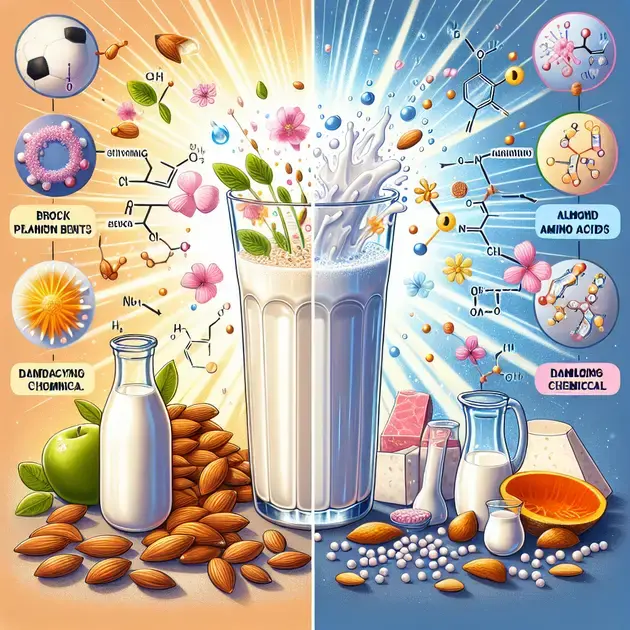
Furthermore, manufacturers are actively seeking ways to address this protein deficiency by improving processing techniques and fortifying their products with additional plant-based protein sources. However, it is essential for consumers to be aware of this issue and make informed decisions about their dietary choices, incorporating other protein-rich foods into their plant-based drink consumption. With careful consideration, both manufacturers and consumers can work together to ensure that plant-based drinks meet the nutritional expectations and needs of individuals seeking alternative milk options.

The genetic basis of fertility, family and longevity

Our DNA serves as a blueprint for the intricate workings of our bodies, determining various aspects of our health and well-being. In a recent review, scientists have shed light on the significant role that our DNA plays in shaping reproductive health, fertility, and even life expectancy.

The intricate nature of reproductive health involves a complex interplay of genetic and environmental factors. Genetic variations can influence various aspects of reproductive health, such as the timing of puberty, fertility, and pregnancy complications. By delving into our DNA, scientists can uncover valuable insights that have the potential to revolutionize reproductive healthcare.

One area where genetic influences on reproductive health are apparent is fertility. Some genetic variations have been associated with an increased risk of conditions like polycystic ovary syndrome (PCOS), which can affect a woman’s ability to conceive. Understanding these genetic markers can aid in identifying individuals who may require more focused interventions and personalized treatment plans.

Besides fertility, our DNA also has a say in determining our life expectancy. Genetic factors can influence the onset and progression of various health conditions, which ultimately impact our lifespan. By studying specific genetic variations associated with longevity, scientists hope to uncover insights into the aging process and develop interventions that can extend healthy lifespan.

Advancements in genetic research have paved the way for personalized medicine, allowing healthcare providers to tailor treatments to individuals based on their unique genetic makeup. By deciphering the role of DNA in reproductive health, fertility, and life expectancy, scientists can potentially develop targeted interventions and preventive measures to improve overall well-being.

While this review provides an overview of the fascinating intersection between DNA and reproductive health, fertility, and life expectancy, more research is needed to fully comprehend the complexities of these relationships. With further exploration, scientists aim to unlock the mysteries of our DNA, leading to breakthroughs that could transform healthcare and improve the lives of countless individuals worldwide.

Exposure to remote wildfire smoke drifting across the US linked to increased medical visits for heart and lung problems


The Far-Reaching Impact of Wildfire Smoke on Public Health

Title: The Far-Reaching Impact of Wildfire Smoke on Public Health

Introduction:

The adverse effects of wildfire smoke on human health have been well-documented, primarily causing or exacerbating heart disease, lung conditions, and asthma. However, recent research has shed light on an alarming discovery – smoke from wildfires can adversely affect the health of individuals residing thousands of miles away. This article will delve into a new study’s findings, showcasing the significant increase in heart and lung-related medical visits during a specific period when smoke from Western Canadian wildfires spread across the country and poor air quality days plagued the Baltimore region.

Wildfire Smoke and Its Detrimental Effects:

For years, the scientific community has acknowledged the hazardous nature of wildfire smoke, particularly due to its composition of fine particulate matter and various chemicals. When inhaled, these microscopic particles can penetrate deep into the respiratory system, leading to respiratory irritation, inflammation, and various cardiovascular complications. The negative health impacts are particularly severe for the elderly, children, pregnant women, and individuals with pre-existing respiratory or cardiovascular conditions.

The Study’s Findings:

The study in question focused on a specific time frame in June 2023 when smoke from a series of Western Canadian wildfires traveled across vast distances, reaching Baltimore and resulting in severe air pollution. Researchers were astounded to witness a staggering surge in heart and lung-related medical visits, with an unprecedented increase of nearly 20 percent compared to previous years in the same period. The alarming findings establish a direct link between the poor air quality caused by wildfire smoke and subsequent health issues, resonating with individuals living even thousands of miles away from the actual wildfires.

Implications and Health Policy Considerations:

The study’s findings emphasize the urgent need for comprehensive measures to address the public health repercussions arising from the distant spread of wildfire smoke. Firstly, increased awareness campaigns are imperative to educate individuals on protective measures during episodes of poor air quality caused by wildfire smoke. These measures may include staying indoors, utilizing air purifiers, and wearing filtering masks when venturing outside.

Furthermore, healthcare providers should remain vigilant during such episodes, promptly identifying and treating individuals presenting with respiratory distress or exacerbation of underlying cardiovascular conditions. Collaboration between different healthcare facilities, government agencies, and meteorological departments can help establish effective communication networks to alert vulnerable populations about potential risks and protective actions.

Conclusion:

The study’s findings emphasize the far-reaching impact of wildfires on public health, highlighting the need for comprehensive measures addressing the adverse effects of wildfire smoke. Protecting vulnerable populations, increasing public awareness, and fostering collaboration across sectors are crucial steps in mitigating the health risks associated with long-distance transmission of wildfire smoke. By prioritizing health policy interventions and implementing preventive measures, we can strive to safeguard communities worldwide from the harmful consequences of wildfire smoke.

A new study has revealed that smoke from wildfires can have far-reaching negative impacts on health. While it has long been recognized that wildfire smoke can worsen existing health issues like heart disease, lung conditions, and asthma, this research shows that the effects can extend for thousands of miles. During a six-day period in June 2023, when smoke from wildfires in Western Canada traveled across the country and caused extremely poor air quality in Baltimore and its surrounding region, medical visits for heart and lung problems increased by almost 20 percent. This highlights the urgent need for strategies to mitigate the health risks associated with wildfires and their resulting smoke.


Light-induced gene therapy disables cancer cells’ energy center

These findings offer new hope for the development of more effective and precise cancer treatments.

The research team behind this study aimed to find a therapy that would specifically target cancer cells without harming healthy cells. Traditional treatments like chemotherapy and radiation therapy often have negative side effects due to their inability to distinguish between cancerous and healthy cells. By focusing on disrupting the energy centers of cancer cells, researchers hoped to develop a therapy that would only impact cancer cells, leading to more targeted and efficient treatment.

The use of nanoparticles played a crucial role in this groundbreaking approach. These nanoparticles are tiny particles that are engineered to carry genetic material. In this study, they were designed to recognize and bind specifically to cancer cells. Once inside the cancer cells, the genetic material carried by the nanoparticles disrupted the energy centers, causing widespread death of the cancer cells.

The experiments conducted on mice with glioblastoma brain tumors and aggressive breast cancer tumors yielded highly promising results. The targeted therapy successfully reduced the size of the tumors, indicating the potential of this approach in treating various types of cancer.

While more research is needed to fully understand the safety and effectiveness of this treatment method, these initial findings are highly encouraging. The success achieved in mice provides a solid foundation for future studies and potential clinical trials in human patients. If proven successful, this targeted therapy has the potential to revolutionize cancer treatment by reducing side effects and improving patient outcomes.

In conclusion, the discovery of new strategies for targeted cancer therapy, specifically by disrupting cancer cells’ energy centers, is a major breakthrough. By combining this approach with the use of nanoparticles, researchers have achieved promising results in shrinking glioblastoma brain tumors and aggressive breast cancer tumors in mice. Continued research and development in this area hold the potential to transform the field of cancer treatment and offer new hope for patients worldwide.

Intermittent fasting inhibits hair regeneration in mice

Further research is needed to fully understand the relationship between intermittent fasting and hair growth in humans. It is important to consider the broader context of intermittent fasting’s positive effects on metabolic health, including improved insulin sensitivity, reduced inflammation, and better blood sugar control. While the potential impact on hair growth should be taken into consideration, it is crucial to await further insights and studies before making definitive conclusions. It will also be valuable for future research to delve into the underlying mechanisms and explore any potential dietary adjustments or supplements that could mitigate any negative effects on hair growth.

New method could improve cervical cancer screening


Enhancing Cervical Cancer Screening with Analyses of Self-Tests for Human Papillomavirus (HPV)

Introduction:

A recent study has explored the potential of using self-tests for human papillomavirus (HPV) to divide HPV-positive
women into three risk groups. This innovative method holds promising implications for improving cervical cancer
screening and ultimately reducing the burden of this highly preventable disease. This article discusses the
importance of HPV self-tests and their potential to enhance current screening practices.

Background:

Cervical cancer is a significant global health issue, responsible for a substantial number of cancer-related deaths
each year. HPV, a common sexually transmitted infection, is known to be the leading cause of cervical cancer.
Effective screening and early detection can significantly reduce the mortality rates associated with this form of
cancer. However, current screening methods have their limitations, such as the need for healthcare provider
involvement and potential for missed opportunities for screening.

The Study:

The study examined the effectiveness of self-tests for HPV in stratifying HPV-positive women into low-, medium-,
and high-risk groups based on the identification of specific HPV genotypes. The researchers discovered that
certain HPV genotypes were associated with a higher risk of cervical cancer progression, while others posed a
lower risk. This information can help triage individuals into appropriate risk groups, thus allowing for more
targeted and personalized preventive measures and follow-up screenings.

Implications for Screening:

Integrating self-tests for HPV into existing screening programs can offer numerous advantages. Firstly, it improves
accessibility as individuals can perform the test in the privacy of their homes, eliminating the need for a
healthcare visit. This convenience encourages more women to participate in screening programs and increases
overall screening coverage. Secondly, it enables risk stratification, ensuring that those at higher risk receive
timely and appropriate interventions, while also reducing unnecessary procedures and anxiety for those at lower
risk.

The Future of Cervical Cancer Screening:

Implementing self-tests for HPV as a routine screening tool may revolutionize cervical cancer prevention
strategies. By identifying high-risk individuals earlier, healthcare providers can offer targeted interventions,
such as closer monitoring, more frequent screenings, and potential administering of vaccines for high-risk HPV
strains. Moreover, the incorporation of self-tests into screening programs might also alleviate the burden on
healthcare systems, allowing for more efficient resource allocation.

Conclusion:

The findings of this study highlighting the potential of self-tests for HPV in categorizing HPV-positive women
into risk groups provide a valuable contribution to cervical cancer screening. By utilizing the advantages of
self-testing and risk stratification, healthcare systems could optimize preventive measures and minimize the
number of undiagnosed cases. The implementation of these self-tests offers a glimpse into a future where cervical
cancer can be better contained through improved screening practices.

A recent study has found that self-tests for human papillomavirus (HPV) can be used to categorize HPV-positive women into three different risk groups. This finding holds great significance for improving cervical cancer screening methods.

AI-powered blood test first to spot earliest sign of breast cancer

A New Groundbreaking Screening Method for Early Detection of Breast Cancer

A new groundbreaking screening method that integrates laser analysis and AI technology has recently been developed and showcased in a seminal study. This innovative approach is considered to be the first of its kind as it enables the identification of patients in the earliest stage of breast cancer.

Breast cancer is one of the most prevalent types of cancer, affecting millions of individuals worldwide. Detecting this disease in its initial stage is crucial for improving the chances of successful treatment and enhancing overall patient outcomes. However, current screening methods often fall short in terms of early detection accuracy.

The newly developed screening method combines the power of laser analysis with advanced AI algorithms, revolutionizing the field of breast cancer diagnosis. Laser analysis allows for a comprehensive and precise examination of breast tissue, providing detailed information about its composition and potential abnormalities. Meanwhile, AI technology enables the identification of subtle patterns and anomalies that may indicate the presence of early-stage cancer cells.

By combining these two innovative technologies, this screening method has demonstrated unparalleled early detection capabilities. The study suggests that it can successfully identify patients who are in the earliest stage of breast cancer, even before the appearance of noticeable symptoms or abnormalities on traditional scans.

This groundbreaking development holds immense potential for both patients and healthcare professionals. Early detection of breast cancer can significantly enhance the effectiveness of treatment options, potentially saving lives and reducing the need for extensive and invasive procedures. Moreover, with the integration of laser analysis and AI, the screening process can become more efficient, cost-effective, and accessible to a larger population.

While further research and validation are necessary, the introduction of this new screening method sparks hope for improved breast cancer diagnosis and patient care. Its ability to identify patients in the earliest stages of the disease could revolutionize current practices and have a substantial impact on breast cancer mortality rates.

In conclusion, the introduction of a new screening method that combines laser analysis with AI technology has shown promise in identifying patients in the earliest stage of breast cancer. This groundbreaking development has the potential to revolutionize breast cancer diagnosis, enabling earlier detection and improved patient outcomes. The integration of laser analysis and AI has the potential to transform current screening practices and reduce breast cancer mortality rates. Further research and validation are necessary, but this innovation represents a significant step forward in the fight against breast cancer.