Analysis Finds No Short-term Mortality Impact on Advanced Cancer Patients during Platinum Chemotherapy Drug Shortage
Title: Analysis Finds No Short-term Mortality Impact on Advanced Cancer Patients during Platinum Chemotherapy Drug Shortage
Introduction:
The scarcity of generic platinum chemotherapy drugs, cisplatin and carboplatin, in 2023 raised concerns about the potential impact on patients with advanced cancers. However, an analysis of national data reveals that short-term mortality rates remained unaffected despite the drug shortage. This article delves into the study’s findings, highlighting the significance of maintaining patient outcomes during such critical times.
The Shortage and its Impending Consequences:
Shortages of essential medications can pose severe challenges for patients, particularly those with advanced stages of cancer. Cisplatin and carboplatin are widely prescribed chemotherapy options due to their efficacy in treating various malignancies. Therefore, when a shortage of these drugs was announced, medical professionals and patients alike grew apprehensive about the potential negative outcomes and increased mortality rates.
The Analysis and its Insights:
To assess the impact of the platinum chemotherapy drug shortage, national data on cancer patients were meticulously analyzed. The study focused on patients with advanced cancers who were either undergoing or scheduled to receive cisplatin or carboplatin treatment during the shortage period.
Contrary to expectations, the analysis found no significant increase in short-term mortality rates among patients affected by the drug scarcity. While the shortage undoubtedly caused disruptions and challenges in treatment plans, the outcomes remained steady. The research team attributes this encouraging trend to the implementation of alternative treatment strategies and the collaboration between medical professionals to ensure the best possible care for patients.
Exploring the Factors Contributing to Unaffected Mortality Rates:
In-depth interviews with clinicians shed light on the approaches that helped mitigate adverse consequences during the drug shortage. Oncologists and pharmacists demonstrated remarkable adaptability by identifying suitable substitutes and developing personalized treatment plans for each patient. The medical community actively engaged in sharing information, clinical expertise, and resources, enabling a smooth transition to alternative chemotherapy regimens.
Furthermore, the study revealed that patients exhibited resilience and strong support networks, which contributed to their ability to cope with the challenges brought by the drug shortage. Patients, alongside their healthcare providers, displayed a shared commitment to finding effective solutions and ensuring treatment continuity.
Implications and Future Directions:
The absence of short-term mortality impact observed during the platinum chemotherapy drug shortage highlights the resilience and resourcefulness of healthcare professionals and patients. While this analysis offers reassurance, it is crucial to continue monitoring long-term outcomes and the availability of essential medications for cancer treatment.
Moving forward, policymakers and healthcare institutions should use the insights gained from this study to create contingency plans that address potential future drug shortages effectively. Collaborative platforms and information-sharing networks should be further reinforced to enhance communication and facilitate the prompt identification of alternative treatment options.
In conclusion, the analysis of national data during the shortage of cisplatin and carboplatin reinforces the notion that short-term mortality rates for patients with advanced cancers were not significantly affected. This study underscores the importance of adaptability, collaboration, and patient-centered care in maintaining positive outcomes during challenging circumstances in cancer treatment.
An analysis of national data revealed that the shortage of the generic platinum chemotherapy drugs cisplatin and carboplatin, which commenced in early 2023, did not have an impact on the short-term mortality of patients with advanced cancers.
Immune Checkpoint Blockades: A Revolutionary Treatment for Advanced Cancers
Title: Immune Checkpoint Blockades: A Revolutionary Treatment for Advanced Cancers
Introduction:
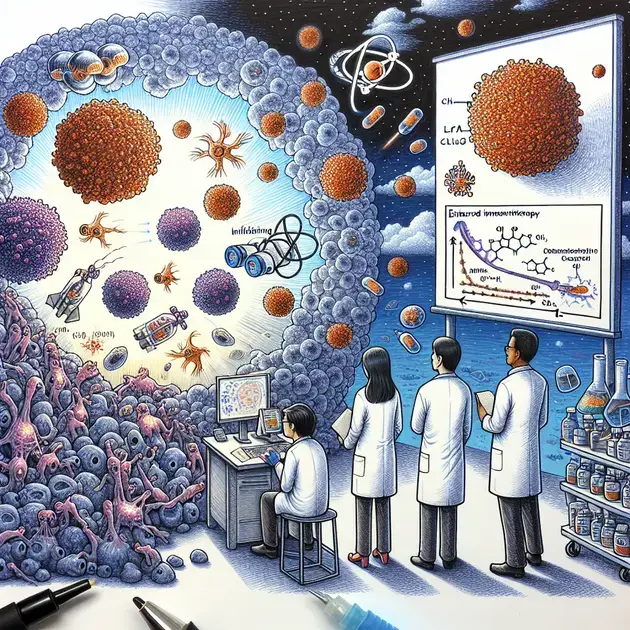
Immune checkpoint blockades (ICBs) have emerged as a groundbreaking approach in the treatment of various advanced cancers. Their ability to activate the body’s immune response and enhance the killing of tumor cells has significantly transformed clinical practices. However, despite their initial success, the effectiveness of ICBs has reached a plateau. This can be attributed to the development of therapeutic resistance, which undermines the capability of tumor-infiltrating lymphocytes (TILs) to combat cancer cells. Consequently, the search for strategies to overcome this resistance and reinvigorate anti-cancer TILs has become a vital pursuit for cancer clinicians worldwide.
ICBs and Therapeutic Resistance:
ICBs work by targeting immune checkpoints, molecules that regulate immune responses to maintain self-tolerance and prevent excessive immune activation. By blocking these checkpoints, ICBs unleash the immune system’s full potential, particularly the cytotoxic TILs that play a pivotal role in eliminating cancer cells. However, resistance to ICB therapies can emerge through several mechanisms.
One primary mechanism of resistance involves the upregulation of alternative immune checkpoints. When one checkpoint is blocked, cancer cells may activate compensatory pathways, rendering the therapy less effective. Additionally, tumor microenvironment factors, such as the release of immunosuppressive cytokines or the presence of inhibitory immune cells, can further impede the anti-tumor activity of TILs.
Rejuvenating Anti-Cancer TILs:
To improve the efficacy of ICB therapies, researchers are actively exploring strategies to disarm therapeutic resistance and rejuvenate anti-cancer TILs. One approach involves combining ICBs with other treatment modalities, such as targeted therapies or radiation therapy. These complementary approaches aim to counteract resistance mechanisms and enhance the immunogenicity of tumors, making them more susceptible to TIL-mediated cell killing.
Another promising avenue of research focuses on identifying biomarkers that can predict a patient’s response to ICB therapy. By utilizing biomarkers, clinicians can better tailor treatment plans and select patients who would benefit the most from ICBs. Moreover, the identification of new targets and the development of novel checkpoint inhibitors are also being pursued to provide alternative strategies for reinvigorating TILs and overcoming resistance.
Conclusion:
The advent of immune checkpoint blockades has revolutionized cancer treatment, offering new hope to patients with advanced cancers. However, the emergence of therapeutic resistance presents a significant challenge that needs to be overcome. By exploring novel combination therapies, identifying predictive biomarkers, and developing innovative checkpoint inhibitors, researchers and clinicians endeavor to rejuvenate anti-cancer TILs and restore the efficacy of ICB treatments. These efforts hold the potential to further improve patient outcomes and drive advancements in the field of cancer immunotherapy.
Transforming Maternal and Neonatal Care with AI-Powered Placenta Evaluation Tool
Transforming Maternal and Neonatal Care with AI-Powered Placenta Evaluation Tool
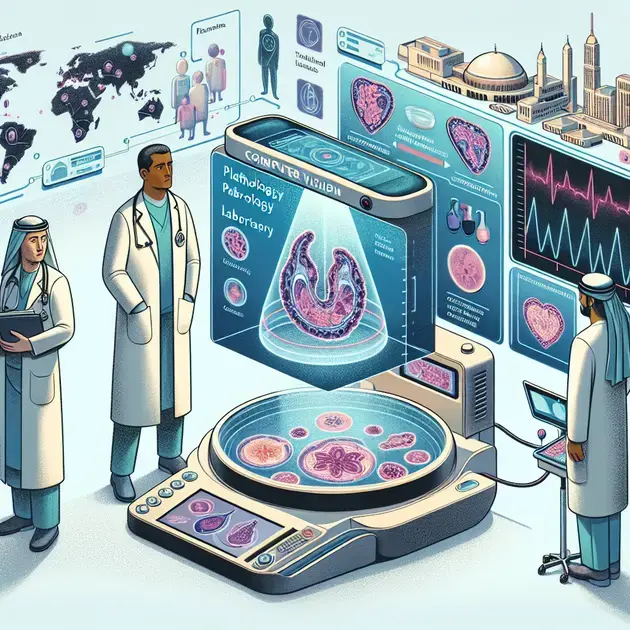
In recent advancements in maternal and neonatal healthcare, a novel tool leveraging computer vision and artificial intelligence (AI) has emerged, promising to revolutionize the way clinicians evaluate placentas at birth. This innovative technology could significantly enhance the speed and accuracy of placenta assessments, leading to improved care for both mothers and newborns worldwide.
The importance of timely and effective evaluation of placental health cannot be overstated. Early identification of placental infections or other abnormalities is critical, as such conditions can have profound implications for maternal and neonatal health. For example, detecting an infection in the placenta can facilitate the prompt administration of antibiotics, ensuring that both mother and baby receive the necessary treatment to prevent further complications.
This tool is particularly advantageous for healthcare providers working in low-resource settings, where access to pathology labs and specialized personnel may be limited. The ability to rapidly assess placenta conditions using AI means that clinicians can identify potential issues without the need for extensive lab equipment or specialized training. This capability can be transformative in regions where maternal and neonatal mortality rates are high, enabling healthcare practitioners to make informed decisions and allocate resources more effectively.
In well-resourced hospitals, the AI-based tool can serve as an invaluable asset in the diagnostic process. By quickly identifying which placentas require further examination, this technology allows healthcare providers to prioritize cases that may need more detailed analysis or intervention. This streamlined approach not only enhances workflow efficiency but ultimately contributes to better health outcomes for both mothers and their newborns.
The integration of AI into medical practice is a growing trend, but its application in maternal and neonatal health, particularly in placenta evaluation, represents a significant step forward. As this technology continues to develop, it holds the promise of bridging the gap in healthcare disparities, providing equitable access to quality care, and improving health results across diverse populations.
In conclusion, the newly developed AI tool designed for rapid placenta evaluation can potentially transform maternal and neonatal care globally. By facilitating early detection of placental issues, it empowers clinicians to act swiftly, ensuring that both mothers and infants receive the appropriate medical attention they need at a critical point during childbirth. As healthcare continues to evolve, incorporating cutting-edge technology like this will be essential in promoting better health outcomes and enhancing the quality of care for women and their children.
A newly developed tool that utilizes computer vision and artificial intelligence (AI) has the potential to assist clinicians worldwide in the rapid evaluation of placentas at birth, which may enhance neonatal and maternal care. The early detection of placental infections could enable timely antibiotic treatment for both mothers and their infants. This tool would be particularly beneficial for doctors in low-resource settings lacking pathology laboratories or specialists, allowing them to quickly identify potential problems. In well-equipped hospitals, it could also aid physicians in determining which placentas warrant further examination.
This innovative approach could provide a better understanding of the health complications associated with diabetes and improve prevention and management strategies.
Type 2 diabetes is a chronic condition characterized by high blood sugar levels. If not properly managed, it can lead to various complications. Two common complications are liver damage, known as nonalcoholic fatty liver disease (NAFLD), and eye disease, specifically diabetic retinopathy. These conditions often occur together in individuals with diabetes but are typically screened for separately.
A recent study aimed to determine whether screening for both liver damage and eye disease simultaneously could offer a more efficient and cost-effective approach to diabetes management. The study involved a large group of individuals with type 2 diabetes, and the researchers found a significant correlation between NAFLD and diabetic retinopathy. This finding suggests that individuals with one condition are more likely to develop the other, emphasizing the importance of concurrent screening.
Traditionally, liver damage and eye disease have been assessed through separate diagnostic tests. NAFLD screening often involves blood tests to measure liver enzymes and an ultrasound scan to detect fat accumulation in the liver. Diabetic retinopathy, on the other hand, is evaluated through a comprehensive eye examination, focusing on the retina, blood vessels, and other structures.
However, the researchers propose that combining these screenings could provide a more holistic assessment of an individual’s health status. Conducting both tests simultaneously would allow healthcare professionals to identify individuals who require more intensive intervention or treatment. It would also streamline the process for patients, reducing the time and effort involved in multiple appointments.
Moreover, adopting a combined screening approach could help identify individuals at a higher risk of developing liver damage or eye disease. Early detection is crucial for implementing appropriate interventions to prevent or manage these conditions effectively. For instance, if an individual with type 2 diabetes has NAFLD, lifestyle modifications such as dietary changes and increased physical activity can be recommended to prevent further liver damage.
In conclusion, emerging research suggests that simultaneous screening for liver damage and eye disease may benefit individuals with type 2 diabetes. By combining these screenings, healthcare professionals can gain a better understanding of the potential health complications associated with the condition. This approach could lead to improved prevention and management strategies, ultimately enhancing the overall health outcomes for those living with type 2 diabetes.
Researchers Make Groundbreaking Progress in Head and Neck Reconstruction
Researchers have made significant progress in the field of head and neck reconstruction with the introduction of a novel technique using a pedicled latissimus dorsi flap. This groundbreaking approach not only provides a safer and faster alternative for high-risk patients but has also achieved an impressive 100% success rate in 22 cases involving complex defects.
The head and neck region is anatomically complex and plays a vital role in essential functions such as breathing, swallowing, and communication. Therefore, any defects or injuries in this area can have severe consequences for a patient’s quality of life. Traditional reconstructive techniques have often presented challenges, especially in cases involving high-risk patients with complex defects.
The pedicled latissimus dorsi flap is a technique that involves using a muscle from the back, called the latissimus dorsi muscle, to reconstruct the head and neck region. In this procedure, the muscle is detached but remains connected to its blood supply through a pedicle. It is then rotated and repositioned in order to cover the defect in the head and neck region.
Researchers have found this technique to be highly effective for several reasons. Firstly, the latissimus dorsi muscle provides a large and versatile tissue flap, which can be shaped and molded to fit the specific defect. This allows for a more customized and precise reconstruction. Additionally, the muscle contains a robust blood supply, ensuring adequate blood flow to the reconstructed area and promoting healing.
Moreover, the pedicled latissimus dorsi flap technique offers several advantages for high-risk patients. As the muscle is already connected to its blood supply, there is no need for microvascular anastomosis, which is a technically demanding and time-consuming process. This significantly reduces the risk of complications and also shortens the overall duration of the surgery.
The success of this technique has been demonstrated in a study involving 22 cases with complex defects in the head and neck region. Researchers reported a 100% success rate, indicating that all patients achieved a satisfactory outcome with no complications or failures. This is a remarkable result, considering the challenges typically associated with complex head and neck reconstructions.
In conclusion, the development of the pedicled latissimus dorsi flap technique represents a significant advancement in head and neck reconstruction. By providing a safer and faster alternative for high-risk patients, this approach has demonstrated exceptional success rates in cases involving complex defects. Moving forward, further research and refinement of this technique will undoubtedly pave the way for improved outcomes and enhanced quality of life for patients requiring head and neck reconstruction.
Swelling Only at the Back of Your Knee? Here’s What It Could Mean!
When swelling occurs in the knee, it is often associated with a significant injury or condition affecting the joint. However, what if the swelling is localized only at the back of your knee? This specific symptom might be perplexing, as it doesn’t align with the usual full-knee swelling seen with substantial injuries like an ACL tear. In this blog, we will delve into potential causes of swelling localized at the back of the knee, as explained by Dr. David Guyer, a triple board-certified orthopedic surgeon and sports medicine specialist. Whether it’s due to arthritis, a meniscus tear, or the development of a Baker’s cyst, understanding these possibilities can create a clearer picture of what’s happening within your knee and guide you toward the appropriate path to recovery. Join us as we explore the insights shared in the accompanying video and unravel the complexities behind this specific symptom.
Understanding Swelling at the Back of the Knee
When you notice swelling primarily at the back of the knee, this localized symptom might suggest specific knee issues that differ from more generalized swelling. Understanding these potential causes can be crucial in identifying the problem and seeking appropriate treatment. Let’s examine some of the possibilities for why this specific swelling occurs.
Arthritis
One of the foremost considerations for swelling at the back of the knee is arthritis. Arthritis is a condition that involves the inflammation of one or more joints, and it can lead to the degeneration and breakdown of cartilage. When arthritis affects the knee, the posterior aspect, which refers to the back part of the knee joint, is often involved. This could lead to localized swelling at the back of the knee. The progression of arthritis can result in the wear and tear of the cartilage, which might contribute to the presence of swelling in this specific area.
Meniscus Tear
Another potential cause is a meniscus tear, specifically tears occurring in the posterior horn of the meniscus. The meniscus functions as a cushion within the knee joint, and it can be found on both the medial (inner) and lateral (outer) sides of the knee. Tears in this cartilage, particularly in the posterior horn, can contribute to swelling at the back of the knee. While meniscus tears may not always result in significant swelling, the discomfort and increased fluid can cause noticeable changes localized to the back of the joint.
Baker’s Cyst
A frequently discussed condition associated with back-of-the-knee swelling is a Baker’s cyst. Also known as a popliteal cyst, a Baker’s cyst develops when excess joint fluid is pushed into a sac behind the knee, often due to arthritis or a meniscus tear. The cyst forms as the fluid accumulates, causing a bulge that can lead to swelling at the back of the knee. Although a Baker’s cyst is not inherently dangerous, it can be uncomfortable and may even interfere with knee function depending on its size.
Key Considerations
Arthritis: Involves inflammation and degeneration of the joint. Can affect the posterior aspect of the knee, leading to localized swelling.
Meniscus Tear: Occurs in the knee cartilage, specifically in the posterior horn. Can result in swelling localized at the back of the knee.
Baker’s Cyst: Formation of a fluid-filled sac due to excess joint fluid. Caused by conditions like arthritis or a meniscus tear, leading to swelling behind the knee.
Conclusion
In managing these conditions, it’s essential to consider both non-invasive and surgical options. Many people might shy away from surgery, preferring alternatives such as physical therapy, medications, or regenerative treatments. Any treatment plan should be tailored to the individual’s specific condition and overall health goals.
Beyond the specific conditions mentioned, it’s crucial to note that knee swelling, especially localized swelling, should be taken seriously. It represents your body’s way of signaling that something might be amiss. If you notice persistent or worsening swelling, consulting with a healthcare professional is invaluable. They can perform diagnostic tests such as MRI or ultrasound to better understand the underlying cause and help guide appropriate treatment.
In conclusion, while swelling at the back of the knee can be concerning, understanding its potential causes enables a more informed approach to treatment. Whether the issue is due to arthritis, a meniscus tear, or a Baker’s cyst, recognizing the symptoms and seeking expert advice is the first step toward effective management and recovery. By exploring both traditional and innovative treatment options, individuals can work towards alleviating symptoms and improving knee function, ultimately enhancing their quality of life.
Remember, while self-education on such topics is empowering, it should always complement, not replace, professional medical advice. Always seek direct consultation with healthcare providers for personalized guidance based on your specific situation.
Looking for a reliable and innovative solution for managing medical parameters? Look no further than Gluco6 – Your Destination for Dynamic Medical Parameter System! In today’s fast-paced world, having real-time access to crucial health data is more important than ever.
With Gluco6, you can streamline the process of tracking and analyzing vital medical information, ensuring that healthcare professionals can make informed decisions quickly and efficiently. Stay ahead of the curve with our cutting-edge system designed to cater to all your medical parameter needs.
Revolutionize Your Medical Parameter Management with Gluco6
Managing your medical parameters just got a whole lot easier with Gluco6. This cutting-edge app provides you with a comprehensive platform to track and monitor all your medical data in one convenient location. Say goodbye to the hassle of juggling multiple apps or manual tracking methods – with Gluco6, everything you need is right at your fingertips.
To revolutionize your medical parameter management with Gluco6, simply download the app from the official website or your app store. Once installed, create an account and input your relevant medical information. The user-friendly interface makes it easy to input data such as blood sugar levels, medication dosages, and appointment schedules.
One of the key features of Gluco6 is its ability to generate insightful reports based on your input data. These reports can help you and your healthcare provider make informed decisions about your medical treatments and lifestyle choices. By having all your medical parameters in one place and easily accessible, you can take control of your health like never before.
Don’t wait any longer to streamline your medical parameter management. Download Gluco6 today and experience the convenience and efficiency of this innovative app.
Stay Informed and Efficient with Gluco6
With Gluco6, staying informed and efficient with your medical parameters has never been easier. This powerful app sends you real-time notifications and reminders to help you stay on top of your health goals. Whether it’s time to check your blood pressure, take your medication, or attend a doctor’s appointment, Gluco6 has got you covered.
To start using Gluco6, simply install the app on your smartphone from the official website or app store. Once you’ve set up your account, customize your notification preferences to suit your needs. You can choose to receive reminders for medication intake, blood glucose monitoring, exercise routines, and more.
In addition to notifications, Gluco6 also offers personalized health tips and insights to keep you informed about the latest developments in medical research and technology. By arming yourself with up-to-date information, you can make proactive choices to improve your overall well-being.
Take charge of your health journey today with Gluco6 by your side. Stay informed, stay efficient, and stay on track towards a healthier future.
Cutting-Edge Solutions for Your Medical Parameter Needs
Gluco6 is at the forefront of providing cutting-edge solutions for all your medical parameter needs. Whether you’re managing diabetes, hypertension, or other chronic conditions, this app offers a range of features to support your health and well-being.
To access these innovative solutions, download Gluco6 from the official website or your app store. Once installed, explore the different tools available, such as interactive charts for tracking your progress, customizable health goals, and integration with wearable devices for seamless data syncing.
One standout feature of Gluco6 is its ability to connect you with a community of users facing similar health challenges. Through forums, support groups, and online resources, you can access a wealth of knowledge and encouragement to help you navigate your medical journey with confidence.
Experience the power of cutting-edge solutions with Gluco6 today. Take advantage of the latest advancements in medical technology to optimize your health outcomes and enhance your quality of life.
Explore the Benefits of Gluco6
Gluco6 is a cutting-edge medical device that offers a wide range of benefits for individuals looking to monitor their health parameters effectively. With Gluco6, users can effortlessly track their blood sugar levels, ensuring they stay within a healthy range. This device provides accurate and instant glucose readings, allowing individuals to make informed decisions about their diet, exercise, and medication.
One of the key benefits of Gluco6 is its portability and convenience. This compact device can be easily carried in a pocket or bag, making it ideal for individuals who are always on the go. Whether at work, at the gym, or traveling, users can take advantage of Gluco6 to monitor their blood sugar levels in real-time.
Furthermore, Gluco6 offers seamless integration with smartphones, allowing users to sync their data and track their health trends over time. By analyzing their glucose levels and patterns, individuals can gain valuable insights into their overall health and make proactive choices to improve their well-being.
Overall, exploring the benefits of Gluco6 can empower individuals to take control of their health and lead a more proactive lifestyle. With its advanced features and user-friendly design, Gluco6 is a valuable tool for anyone looking to monitor their medical parameters with ease.
Enhance Your Medical Parameter Monitoring with Gluco6
With Gluco6, individuals can enhance their medical parameter monitoring capabilities and gain valuable insights into their health status. This innovative device offers a comprehensive solution for tracking blood sugar levels, providing accurate readings that can help users make informed decisions about their health management.
One of the key advantages of using Gluco6 is its advanced technology, which ensures precise and reliable glucose measurements. By utilizing Gluco6 for medical parameter monitoring, individuals can effectively manage their diabetes or other health conditions, ensuring they stay on top of their health goals.
In addition, Gluco6 features user-friendly interfaces and intuitive controls, making it easy for individuals of all ages to use. Whether at home or on the go, users can rely on Gluco6 to deliver accurate results and streamline their health monitoring process.
By incorporating Gluco6 into their daily routine, individuals can enhance their medical parameter monitoring efforts and take proactive steps towards improving their overall well-being. With Gluco6, achieving optimal health outcomes becomes more accessible and manageable for everyone.
Unlock the Power of Gluco6 for Advanced Healthcare Tracking
Gluco6 unlocks the power of advanced healthcare tracking, revolutionizing the way individuals monitor and manage their medical parameters. This state-of-the-art device offers a comprehensive platform for tracking blood sugar levels, enabling users to take proactive steps towards optimizing their health.
One of the standout features of Gluco6 is its integrated data analysis capabilities, which provide users with detailed insights into their health trends and patterns. By leveraging this data-driven approach, individuals can make informed decisions about their lifestyle choices and healthcare management.
Furthermore, Gluco6’s compatibility with other health monitoring tools and apps allows for seamless integration and enhanced data sharing. Users can consolidate their health information in one central platform, enabling a holistic view of their overall well-being and making informed decisions about their healthcare.
Overall, unlocking the power of Gluco6 for advanced healthcare tracking empowers individuals to take charge of their health and well-being. With its cutting-edge features and user-friendly interface, Gluco6 is a valuable asset for anyone looking to elevate their healthcare monitoring to the next level.
Conclusion
In conclusion, Gluco6 emerges as a cutting-edge medical device that not only facilitates effective health parameter monitoring but also empowers individuals to take control of their well-being. The device’s ability to provide accurate and instant glucose readings enables users to make informed decisions regarding their diet, exercise, and medication, ultimately leading to improved health outcomes.
Moreover, the portability and convenience offered by Gluco6 make it a practical solution for individuals with busy lifestyles. Whether at work, at the gym, or on the move, users can seamlessly monitor their blood sugar levels in real-time, ensuring they stay within a healthy range without disruption to their routine.
Integrated Technology and Data Analysis
By embracing Gluco6 for medical parameter monitoring, individuals can enhance their health management capabilities significantly. The device’s advanced technology ensures precise and reliable glucose measurements, aiding in the effective management of conditions like diabetes. Additionally, the integrated data analysis capabilities provide users with detailed insights into their health trends, empowering them to make proactive choices for their well-being.
Overall, Gluco6 serves as a valuable asset for anyone seeking to elevate their healthcare monitoring experience. With its user-friendly design, seamless integration with smartphones, and comprehensive healthcare tracking platform, Gluco6 stands out as a revolutionary tool that empowers individuals to lead a proactive and healthier lifestyle.
As the holiday season approaches, many of us feel the pull of festive treats and indulgent meals, leaving us wondering how to enjoy the flavors of the season without derailing our health goals. Enter the world of creative, guilt-free holiday cooking! In this blog, we will explore how to transform traditional festive favorites into healthy, protein-packed meals that not only satisfy your cravings but also keep you on track with your fitness objectives. From the delightful charm of protein pancake snowmen to the savory allure of Christmas tree pizzas, we’ll guide you through a magical culinary journey where imagination meets nutrition. So, slip on those Christmas socks, grab a plate, and get ready to discover the delicious possibilities that await in our holiday-themed meal plan designed to make dieting a merry adventure.
Protein Pancake Snowman Breakfast
The holiday season is a time for celebration and indulgence, but for those of us on a fitness journey, it’s important to strike a balance between enjoying festive treats and sticking to our health goals. Fortunately, with some creativity and planning, you can enjoy the best of both worlds: delightful holiday foods that are also nutritious and calorie-conscious.
Let’s start with breakfast, where we treat ourselves to a delightful protein pancake snowman. You’ll need three toasted protein pancakes, 1/4 cup of plain fat-free Greek yogurt mixed with your favorite protein powder, five sliced strawberries, half a sliced banana, a tiny piece of strawberry for the snowman’s nose, and a mini marshmallow for a touch of holiday magic. Assemble these ingredients on a plate to form a cute snowman, using chocolate chips for the eyes and buttons, and banana slices for a scarf. A sprinkle of sugar-free powdered sugar and a drizzle of low-calorie syrup will complete your merry breakfast creation.
Candy Cane Charcuterie and Grinch Kebabs Lunch
Next up, lunch offers a savory delight with a candy cane charcuterie board and Grinch kebabs. For the candy cane board, alternate slices of cheese, turkey pepperoni, and holiday-themed Ritz crackers to create a candy cane shape. The Grinch kebabs, on the other hand, are a fun tribute with green grapes, strawberries, banana slices, and marshmallows all stacked on toothpicks. This meal is not just a feast for the palate but also a visual treat, perfect for keeping your energy up and your holiday spirit high.
Protein Christmas Tree Pizzas Dinner
For dinner, we have the protein-packed Christmas tree pizzas. Using the dough from our guilt-free cookbook’s pepperoni pizza recipe, shape your pizzas into festive trees. Adorn them with colorful toppings like cheese, olives, mushrooms, and turkey pepperoni stars. Bake until golden, and enjoy the comforting flavors without the usual calorie overload. Accompanied by a refreshing diet root beer, this dish is sure to keep you satisfied.
Reindeer Brownies with Yogurt and Holiday M&M’s Dessert
A festive meal wouldn’t be complete without dessert, and our reindeer brownies with yogurt and holiday M&M’s are the perfect sweet treat. With fiber one brownies, marshmallows, mini chocolate chips, and a touch of creativity, you can create adorable reindeer faces. Paired with a serving of delicious yogurt, this dessert is an indulgence that won’t disrupt your calorie count.
Elf on the Shelf Cereal Snack
Even as the day winds down, the holiday fun doesn’t stop. A late-night snack of Elf on the Shelf cereal with protein-rich Fairlife milk is a delightful way to end the day. This festive cereal brings the holiday cheer straight to your bowl, and the added protein helps support your nutritional goals.
Throughout this journey, it’s essential to remember the importance of variety and balance in your diet. By incorporating a mix of flavors, textures, and seasonal themes, dieting can become a thrilling adventure rather than a restrictive chore. These meals are proof that you don’t have to compromise taste or festivity for the sake of health.
Whether you’re an experienced cook or new to the kitchen, these creative holiday dishes offer inspiration for a guilt-free holiday season. Embrace the challenge of transforming traditional favorites into healthier versions, and let your imagination run wild. From protein pancake snowmen to reindeer brownies, enjoy each bite and savor the joy of guilt-free indulgence.
So, this holiday season, don your festive socks, gather your ingredients, and embark on a culinary journey that brings together the best of health and holiday cheer. After all, the most wonderful time of the year deserves meals that are as delightful as they are nutritious. Cheers to a joyous, delicious, and guilt-free holiday season!
How Your DNA Shapes Reproductive Health, Fertility, and Life Expectancy
How Your DNA Shapes Reproductive Health, Fertility, and Life Expectancy: Insights from a New Review
In recent years, the exploration of genetics has revolutionized our understanding of human health, revealing the profound impact that our DNA has on various aspects of life. A new review has shed light on a particularly intriguing area: the interplay between our genetic makeup, reproductive health, fertility, and even life expectancy.
The Genetic Blueprint of Reproductive Health
Reproductive health is intricately tied to genetics. Our DNA contains information that can influence hormonal balance, menstrual cycles, and the overall functionality of reproductive organs. Variants in specific genes have been linked to conditions such as polycystic ovary syndrome (PCOS) and endometriosis, both of which significantly affect fertility. The review highlights that understanding these genetic factors can lead to better diagnostic tools and therapeutic strategies, allowing for more personalized approaches to reproductive health issues.
Fertility and Genetic Influences
Fertility is not just a matter of environment and lifestyle; it is also deeply influenced by our genetics. The review discusses how certain genetic variations can affect ovulation, sperm production, and even embryo implantation. For example, studies have identified specific genes associated with ovarian reserve and the likelihood of successful pregnancy. By mapping these genetic correlates, researchers hope to develop interventions that could assist those struggling with infertility.
Moreover, genetic testing has become an invaluable tool in reproductive medicine. Techniques such as preimplantation genetic testing (PGT) allow for the selection of genetically healthy embryos during in vitro fertilization (IVF), thus increasing the chances of a successful pregnancy and reducing the risk of genetic disorders.
The Link Between Genetics and Life Expectancy
Interestingly, the implications of our DNA extend beyond reproductive health; they also play a role in determining overall life expectancy. Research has discovered genetic variants linked to longevity, with some genes influencing not only how long we live but also the quality of our health in those later years. Factors such as resilience to disease and metabolic efficiency are often encoded in our DNA, indicating a strong relationship between genetic factors and lifespan.
Conclusion
The revelations from this new review underscore the importance of considering genetic factors when discussing reproductive health, fertility, and life expectancy. As we continue to unravel the complexities of our DNA, the power of personalized medicine becomes increasingly apparent. With a deeper understanding of the genetic influences on these critical aspects of health, we stand on the brink of a new era in medical science—one where tailored approaches can lead to improved health outcomes for individuals based on their unique genetic profiles.
In summary, the intersection of genetics, reproductive health, and life expectancy is a promising field that holds significant potential for enhancing our understanding and treatment of various health issues. As research in this domain progresses, it is essential to embrace the possibilities that our DNA presents for improving health and well-being throughout our lives.
Intermittent Fasting: Balancing Metabolic Health with Hair Growth
Intermittent Fasting: Balancing Metabolic Health with Hair Growth
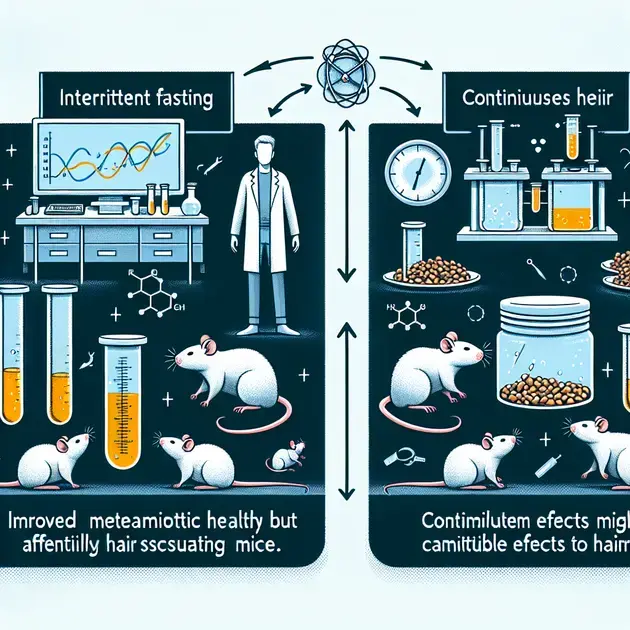
Intermittent fasting (IF) has gained popularity in recent years for its promising benefits on metabolic health, weight loss, and overall well-being. No entanto, pesquisas recentes levantaram questões sobre seu impacto no crescimento capilar. Um novo estudo realizado em camundongos sugere que, enquanto o jejum intermitente melhora a saúde metabólica, ele pode também retardar a regeneração capilar.
No estudo, os pesquisadores observaram dois grupos de camundongos: um grupo submetido a regimes de jejum intermitente e outro grupo com acesso contínuo à alimentação. Os resultados foram intrigantes; enquanto os camundongos nas dietas de jejum exibiram melhorias significativas em marcadores metabólicos—como sensibilidade à insulina e redução da inflamação—eles demonstraram uma regeneração capilar mais lenta em comparação com seus semelhantes que se alimentaram livremente.
O mecanismo subjacente a esse fenômeno ainda não é totalmente compreendido, mas pode estar relacionado às mudanças celulares e hormonais que ocorrem durante o jejum. Períodos prolongados de jejum podem induzir respostas de estresse no corpo, o que pode afetar negativamente o ciclo dos folículos capilares. Nos camundongos, o impacto foi notável, mostrando um compromisso entre os benefícios do jejum para a saúde metabólica e os potenciais efeitos adversos no crescimento do cabelo.
Os pesquisadores também conduziram um pequeno ensaio clínico para explorar se efeitos semelhantes poderiam se aplicar aos humanos. Embora os resultados preliminares indicassem uma potencial correlação entre o jejum intermitente e parâmetros de crescimento capilar, os efeitos provavelmente serão menos extremos. Isso se deve ao metabolismo mais lento e aos diferentes ciclos de crescimento capilar em humanos comparados aos camundongos.
É crucial que indivíduos que consideram o jejum intermitente ponderem os benefícios em relação aos possíveis efeitos colaterais. Para aqueles preocupados com a saúde capilar, pode valer a pena explorar períodos de jejum mais curtos ou adotar uma abordagem mais equilibrada na dieta e nutrição.
Em conclusão, o jejum intermitente apresenta uma estratégia convincente para melhorar a saúde metabólica, como evidenciado pelo recente estudo com camundongos. No entanto, a possibilidade de que ele possa prejudicar o crescimento capilar requer mais pesquisas. À medida que continuamos a explorar as implicações dos padrões dietéticos em nossa saúde, entender os efeitos sutis do jejum intermitente será essencial para tomar decisões informadas sobre nossas escolhas de estilo de vida.
To provide the best experiences, we use technologies like cookies to store and/or access device information. Consenting to these technologies will allow us to process data such as browsing behavior or unique IDs on this site. Not consenting or withdrawing consent, may adversely affect certain features and functions.
Functional
Always active
The technical storage or access is strictly necessary for the legitimate purpose of enabling the use of a specific service explicitly requested by the subscriber or user, or for the sole purpose of carrying out the transmission of a communication over an electronic communications network.
Preferences
The technical storage or access is necessary for the legitimate purpose of storing preferences that are not requested by the subscriber or user.
Statistics
The technical storage or access that is used exclusively for statistical purposes.The technical storage or access that is used exclusively for anonymous statistical purposes. Without a subpoena, voluntary compliance on the part of your Internet Service Provider, or additional records from a third party, information stored or retrieved for this purpose alone cannot usually be used to identify you.
Marketing
The technical storage or access is required to create user profiles to send advertising, or to track the user on a website or across several websites for similar marketing purposes.