Home Blog Page 16

3 Deliciously Simple & High Protein Weight Loss Lunches Under 300 Calories


Weight Loss Lunches

Embarking on a transformative weight loss journey often seems daunting, but it doesn’t have to mean compromising on delicious meals. If you’re seeking lunches that are low in calories yet high in flavor and protein, you’ve come to the right place. In this blog, I’ll share three delectable lunch ideas that have not only helped me shed and maintain a weight loss of 130 lbs over the past decade but also kept my meals exciting and satisfying. These lunches, each under 300 calories, are crafted to help you stay in a caloric deficit while keeping hunger at bay with their high protein content. From a spicy chicken salad packed with crunchy veggies to a creative ‘sub in a tub,’ and a savory meat and cheese beastro box, these recipes will redefine your midday meal prep and support your weight loss goals without sacrificing taste. Let’s dive into these fuss-free recipes and help you rock your weight loss journey.

1. Spicy Chicken Salad with Veggies and Dip

This fiery chicken salad is not just a delight for spice lovers but also a brilliant way to incorporate protein into your diet without overloading on calories.

Ingredients:

  • 110 grams of canned chicken (drained)
  • 2 tablespoons each of chopped celery and sliced green onion
  • 2 tablespoons of light mayonnaise
  • 2 teaspoons of your favorite hot sauce
  • Salt and pepper to taste
  • 5 ounces of baby carrots (divided into 2.5-ounce portions)
  • 2 medium celery stalks (chopped into bite-sized pieces)
  • 2 tablespoons of light ranch dressing
  • Your choice of protein chips (a bag for each serving)

Instructions:

  1. Combine the canned chicken, mayonnaise, celery, green onion, and hot sauce in a bowl. Season with salt and pepper to taste. Mix until the ingredients are well-blended, ensuring the chicken is coated evenly for maximum flavor.
  2. Divide the mixture between two meal prep containers.
  3. Add carrots and celery into separate small compartments of the meal prep box.
  4. Drizzle the ranch dressing over the veggies for an added taste.
  5. Serve with a side of protein chips, which not only satisfy that crispy craving but also provide an additional boost of protein.

Nutritional Information:
299 calories per serving
11 grams of fat
19 grams of carbohydrates
33 grams of protein

2. Sub in a Tub

Inspired by the concept from Jersey Mike’s, this deconstructed sub provides all the flavors of a hearty sub sandwich minus the carbs from the bread, keeping your meal light yet satisfying.

Ingredients:

  • 4 tablespoons of light Italian dressing
  • 12 slices of deli meats (bologna, salami, smoked ham)
  • 2 slices of Monterey Jack cheese
  • 2 tablespoons of chopped tomatoes
  • 10 banana pepper rings
  • 2 tablespoons of sliced onions
  • 4 tablespoons of sliced black olives
  • 4 baby dill pickles, sliced
  • 4 cups of shredded lettuce

Instructions:

  1. Layer shredded lettuce at the bottom of each meal prep container.
  2. Arrange deli meats over the lettuce, followed by Monterey Jack cheese slices.
  3. Scatter chopped tomatoes, banana peppers, onions, olives, and dill pickles over the top for bursts of color and flavor.
  4. Pour Italian dressing into individual containers and nestle them among the veggies so the dressing is fresh until you’re ready to eat.

Nutritional Information:
295 calories per serving
18 grams of fat
17 grams of carbohydrates
17 grams of protein

3. Meat and Cheese Beastro Box

This meat-and-cheese medley is perfect for those who appreciate simplicity combined with rich, savory flavors. It’s a mini charcuterie, tailored for weight loss.

Ingredients:

  • 16 mini rice cakes (divided into eight each)
  • 30 grams of smoked almonds
  • 2 cheese strings
  • 4 slices of smoked black forest ham
  • 1 cup of cucumber spears

Instructions:

  1. Arrange mini rice cakes in a compartment of the meal prep container.
  2. Divide smoked almonds and place them, ensuring they retain their smoky crunch.
  3. Roll up slices of ham and snugly fit them alongside the cheese strings.
  4. Finally, stack cucumber spears neatly in one corner of the box.

Nutritional Information:
298 calories per serving
17 grams of fat
16 grams of carbohydrates
22 grams of protein

Tips for Success:

  • Meal Prep: Pre-preparing your meals not only saves time but also ensures you’re always equipped with a healthy option, steering you clear of high-calorie fast food.
  • Portion Control: Utilize containers with compartments to easily visualize portion sizes, maintaining the crucial calorie deficit needed for weight loss.
  • Spice it Up: Adding spices like hot sauce doesn’t just enhance flavor but can also boost metabolism, aiding in weight loss.

Focusing on high-protein, low-calorie meals can significantly support your weight loss journey. These recipes not only help you stay on track but also ensure you’re never compromising on flavor. Consistency, along with a little creativity in the kitchen, can transform your weight loss journey into an enjoyable experience. Enjoy these delicious recipes and the path to a healthier version of yourself.


Deciding on ACL Surgery: Is it Necessary for Active Adults Over 50?


Understanding ACL Surgery for Active Adults Over 50

When it comes to ACL injuries, younger athletes are often the ones at the forefront of conversations surrounding surgical interventions. However, this doesn’t mean that older adults are left out of the equation. For those in their 50s and 60s who lead moderately active lifestyles, the question of whether to undergo ACL reconstruction surgery becomes a matter worthy of consideration. Dr. David Guyer, an orthopedic surgeon and sports medicine specialist, delves into the pros and cons of ACL surgery for older adults. Through his perspective, we explore when surgery might be beneficial to maintain knee stability, the potential risks involved, and alternative treatments available for those who prefer non-surgical routes. Whether you’re in a recreational soccer league or enjoy walking, this discussion aims to provide insight and guidance for making an informed decision about ACL surgery in later life.

Key Considerations for ACL Surgery:

1. Activity Level:

If you participate in activities that demand abrupt directional changes or jumping—think recreational soccer, tennis, or martial arts—an ACL injury can significantly impact your performance and increase the risk of additional knee injuries.

For those who engage in low-impact activities, such as walking or straightforward jogging, the absence of an ACL might not critically impair function. In these cases, non-surgical options might suffice for maintaining a satisfactory quality of life.

2. Knee Stability:

An unstable knee can lead to challenges beyond joint function, including impacts on balance and mobility, which might indirectly affect other aspects of your life and health.

If knee instability causes frequent problems or restricts your activities, surgery may be a viable route to regain stability and protect against further joint wear and tear.

3. Age Is Just a Number:

ACL surgery in older adults isn’t unheard of. There have been successful cases, like the 61-year-old karate black belt mentioned by Dr. Guyer, where surgical intervention enabled the continuation of a vibrant, active lifestyle.

It is crucial to assess not just age but overall health, activity intensity, and personal goals when considering surgery.

Pros of ACL Surgery:

  • Restores knee stability, allowing continued participation in high-demand sports.
  • Reduces the risk of exacerbating knee damage, especially in high-impact activities.
  • Potentially lowers the risk of further injuries that could arise from unstable knee joints.

Cons of ACL Surgery:

  • Like any surgery, ACL reconstruction comes with risks such as infection, blood clots, and adverse reactions to anesthesia.
  • Rehabilitation can be lengthy and demanding, requiring a significant commitment to physical therapy for optimal recovery.
  • Does not guarantee prevention of arthritis, although it may reduce the risk of post-traumatic arthritis compared to leaving the ACL untreated.

Alternative Treatments:

Non-surgical options include physical therapy, bracing, and lifestyle modifications to enhance stability and manage symptoms.

Regenerative medicine and anti-inflammatory treatments offer promising avenues for those seeking alternatives to surgery, aiming to support healing and reduce pain.

For adults pondering ACL surgery, the decision ultimately hinges on personal activity levels, knee stability, and lifestyle goals. Engaging with a specialist in orthopedic and sports medicine, like Dr. Guyer, can provide tailored guidance based on individual needs and health status.

Takeaway: While age used to be a significant factor in deciding ACL surgeries, it is now more about the interplay between activity level, knee stability, and lifestyle aspirations. Whether you choose surgery or alternative treatments, the goal remains the same: to maintain or regain a quality of life that aligns with your personal goals and keeps you active and engaged for years to come.

This blog explores the necessity of ACL surgery for active adults over 50, considering stability, activity levels, and potential alternatives to surgical intervention.


3 Delicious High-Protein Lunches Under 300 Calories That Helped Me Lose 130 Pounds!


Healthy Weight Loss Lunches

Embarking on a weight loss journey doesn’t mean you have to compromise on flavor or satisfaction in your meals. In fact, the right combination of delicious ingredients can make all the difference in maintaining a healthy lifestyle and reaching your goals. Today, I’m excited to share with you three tantalizing, high-protein lunches that are each under 300 calories, yet packed with flavor and nutrients to keep you full and energized. These carefully crafted meals were instrumental in helping me lose 130 pounds and maintain my weight loss for the past decade. From a spicy chicken salad with veggies on the side, to a savory sub in a tub, and a satisfying meat and cheese beastro box, these lunches demonstrate that healthy eating can be both enjoyable and sustainable. Get ready to transform your lunch routine and take your weight loss journey to new heights!

Spicy Chicken Salad with Veggies and Dip

This spicy chicken salad is a powerhouse of flavor and nutrition. To create it, you’ll need:

  • 110 grams of canned chicken (drained)
  • 2 tablespoons of chopped celery
  • 2 tablespoons of sliced green onion
  • 2 tablespoons of light mayonnaise
  • 2 teaspoons of hot sauce (Taco Bell’s fire sauce is recommended)
  • Salt and pepper to taste

Vegetable Sides:

  • 5 ounces of baby carrots
  • Two medium celery stalks, chopped

Extras:

  • Two tablespoons of light ranch dressing
  • Protein chips (Quest loaded taco flavor recommended)

Instructions:

  1. Mix the chicken, mayonnaise, celery, green onion, hot sauce, salt, and pepper until well-combined.
  2. Divide the mixture into two meal prep containers.
  3. Add half the carrots, celery, and a tablespoon of ranch dressing in each container’s side compartments.
  4. Store protein chips separately to maintain their crunch.

Per serving, this chicken salad boasts 299 calories, 11 grams of fat, 19 grams of carbs, and 33 grams of protein. This high-protein meal is perfect for keeping hunger at bay and maintaining your energy levels throughout the day.

Sub in a Tub

Inspired by the popular Jersey Mike’s sub in a tub, this meal allows you to enjoy all the flavors of a sub without the added calories from the bread.

  • 4 tablespoons of light Italian dressing
  • 12 slices of deli meat (bologna, salami, smoked ham)
  • Two slices of Monterey Jack cheese
  • 2 tablespoons of chopped tomato
  • 10 banana pepper rings
  • 2 tablespoons of sliced onion
  • 4 tablespoons of sliced black olives
  • 4 baby dill pickles
  • 4 cups of shredded lettuce

Instructions:

  1. Pour the Italian dressing into small containers and place them at the corner of each meal prep container.
  2. Lay shredded lettuce as the base, then layer on the deli meats.
  3. Add cheese, tomatoes, banana peppers, onions, olives, and pickles over the top.
  4. Seal with the container lid to ensure freshness.

Each sub in a tub provides 295 calories, 18 grams of fat, 17 grams of carbs, and 17 grams of protein. This zesty mix of ingredients packs a flavorful punch and keeps lunchtime exciting and satiating.

Meat and Cheese Beastro Box

This beastro box combines savory proteins with crunchy sides to create a well-rounded, portable lunch.

  • 16 mini rice cakes (sour cream and onion flavor)
  • 30 grams of almonds
  • Two cheese strings
  • Four slices of smoked black forest ham
  • 1 cup of cucumber spears

Instructions:

  1. Divide rice cakes and almonds into small servings to maintain freshness.
  2. Roll up slices of ham and place them next to the cheese strings in your container.
  3. Add cucumber spears as a refreshing side.

For each box, the nutritional details are impressive, with 298 calories, 17 grams of fat, 16 grams of carbs, and 22 grams of protein. Packing a beastro box ensures you have a quick, delicious meal that fuels your day efficiently.

Tips for Success

To maximize the benefits of these meals, consider incorporating them into a consistent meal prep routine. Not only does prepping ahead save time and reduce daily stress, but it also keeps you aligned with your dietary goals. Additionally, always carry a high-protein snack, such as protein bars, to curb unplanned cravings and maintain a balanced intake throughout the day.

Remember, these lunches were crucial in helping me lose 130 pounds and keep it off for a decade. They offer a perfect mix of taste, nutrition, and satisfaction, proving that healthy eating can be a joy rather than a chore. By incorporating these meals into your routine, you’ll be well on your way to creating your own successful weight loss story.


Should Older Athletes Consider ACL Surgery? Exploring the Pros and Cons for Active Boomers


Should Older Athletes Consider ACL Surgery?

Great title! It’s engaging and clearly communicates the blog’s focus on whether older athletes should consider ACL surgery, specifically targeting active individuals from the Baby Boomer generation.

Understanding ACL Injuries in the Aging Athlete

When it comes to ACL injuries, younger athletes are often the ones who face this challenge due to the high-demand nature of their sports. However, what about older athletes who continue to lead active lifestyles? Should they consider undergoing ACL reconstruction surgery, or are there alternative solutions more suited to their age and activity level? This question is particularly relevant for those in their 50s and 60s who have suffered a complete ACL tear and are weighing their options. Let’s dive deeper into the pros and cons of undergoing ACL surgery for older individuals and explore the factors that might influence this decision.

Pros of ACL Surgery for Older Athletes

ACL reconstruction surgery can restore stability to the knee, which is crucial for individuals who engage in activities that require sudden changes in direction or jumping. For those who continue to participate in high-level sports or rigorous physical activities, surgery might prevent further injury and provide peace of mind. Additionally, studies have shown that ACL surgery could potentially reduce the risk of developing post-traumatic arthritis, although this is not guaranteed.

Cons of ACL Surgery for Older Athletes

On the other hand, ACL surgery is not always necessary for older individuals, especially if their activities do not involve high risk of knee instability. The recovery process can be long and demanding, which might affect one’s lifestyle temporarily. It’s also worth noting that surgery does not eliminate the possibility of developing arthritis in the future. Therefore, older athletes who predominantly engage in low-impact activities, such as walking or jogging, might find non-surgical treatments more appropriate.

Making an Informed Decision

The decision to proceed with ACL surgery should be based on personal circumstances, the level of physical activity, and the degree of knee instability experienced. Consulting with an orthopedic specialist who can provide personalized advice is crucial. Moreover, exploring regenerative treatments and other non-surgical options could offer viable alternatives for maintaining an active lifestyle without undergoing surgery.

Conclusion

Ultimately, whether to have ACL surgery as an older athlete is a personal decision that should be made after careful consideration of the pros and cons. By understanding how the surgery might impact their life and activities, older individuals can make informed choices that align with their health and lifestyle goals.


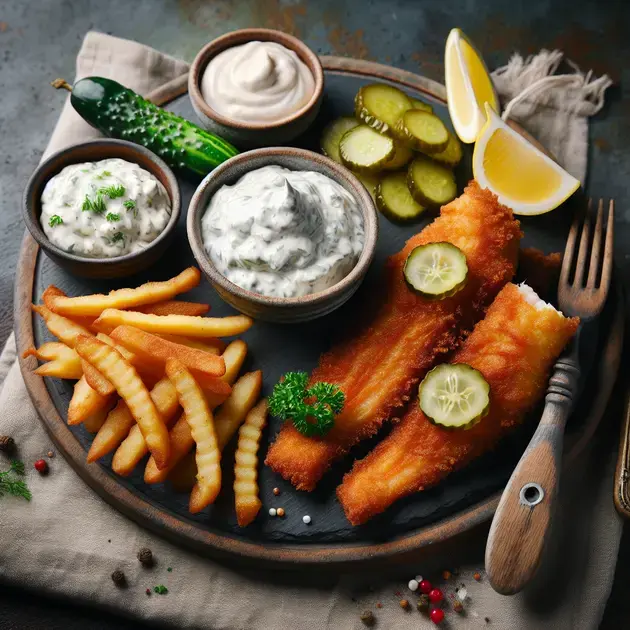
Homemade tartar sauce: Follow this simple and healthy recipe


Homemade Tartar Sauce: Follow this Simple and Healthy Recipe

Article Title: Homemade Tartar Sauce: Follow this Simple and Healthy Recipe

Introduction:

Tartar sauce is a popular condiment that adds a creamy and tangy flavor to various dishes, especially grilled or fried
fish. Typically made with mayonnaise as its creamy base, it combines the perfect combination of chopped pickles or
sweet pickle relish, sour cream, and a hint of lemon juice. This delightful sauce is renowned for its ability to
complement crispy foods, making it a favorite among food enthusiasts.

While this article provides interesting insights and a healthy tartar sauce recipe, here’s a summarized version for
those unable to access the complete content.

Summarized Article:

If you enjoy the tangy kick of tartar sauce with your crispy fish dishes, you’ll be thrilled to discover a simple and
healthy recipe for making it at home. Traditionally, tartar sauce consists of mayonnaise, chopped pickles or sweet
pickle relish, sour cream, and lemon juice. These ingredients come together harmoniously to create a creamy and
flavorful condiment that perfectly complements various dishes, particularly those with a crispy texture.

Mayonnaise acts as the base of the sauce, providing a creamy and rich consistency. The tangy element in the tartar
sauce is derived from the inclusion of chopped pickles or sweet pickle relish. These add a pleasant crunch and a burst
of flavor to the sauce. Additionally, sour cream brings a smooth and tangy element, while lemon juice adds a refreshing
citrusy note, enhancing the overall taste profile.

The versatility of tartar sauce allows it to be paired with a wide range of foods, making it a beloved accompaniment to
fish and other crispy dishes. Whether you prefer grilling or frying, tartar sauce adds a creamy and tangy dimension to
elevate the flavors. Its creamy texture and tangy taste perfectly balance out the crunchiness of these dishes, creating
a delightful culinary experience.

While this summarized version provides a brief overview, the original article contains more details about the health
benefits and step-by-step instructions for making tartar sauce at home. If you’re interested in exploring this simple
and healthy recipe further, we recommend reading the full article. Homemade tartar sauce is a fantastic addition to
your culinary repertoire, ensuring a flavorful and enjoyable dining experience.

You most likely relish having tartar sauce alongside grilled or fried fish. This condiment typically comprises
mayonnaise, offering a creamy foundation. Essential components of this sauce include chopped pickles or sweet pickle
relish, sour cream, and lemon juice. Thanks to its ingredient medley, tartar sauce complements numerous dishes,
especially those with a crispy texture. Read on for a straightforward and wholesome recipe of homemade tartar sauce.

3 Tasty, High-Protein Lunches Under 300 Calories That Fueled My 130-Pound Weight Loss Journey


Weight Loss Lunch Recipes

Embarking on a weight loss journey can be both exhilarating and daunting, especially when it comes to planning meals that are both satisfying and conducive to shedding pounds. I know this all too well, having lost 130 pounds and successfully kept it off for over a decade. In this blog, I’m thrilled to share three of my go-to lunch recipes that are not only under 300 calories but also high in protein and bursting with flavor. These meals, including a spicy chicken salad, a sub in a tub, and a meat and cheese bistro box, have played a crucial role in keeping me full, satisfied, and on track with my calorie deficit. Join me as I reveal the secrets to crafting these delicious lunches and how they can help you stay committed to your own weight loss goals.

Spicy Chicken Salad

Let’s start with the Spicy Chicken Salad. It’s a perfect blend of flavors and textures, offering that satisfying crunch with every bite.

  • Ingredients:
    • 110 grams of canned chicken, drained.
    • 2 tablespoons light mayonnaise.
    • 2 tablespoons chopped celery.
    • 2 tablespoons sliced green onion.
    • 2 teaspoons hot sauce (Taco Bell Fire sauce, if you’re feeling adventurous).
    • Baby carrots and celery stalks for the side.
    • 2 tablespoons light ranch dressing.
    • Quest protein chips for that extra crunch.

Preparation:

  1. Mix the canned chicken with light mayo, green onion, celery, and hot sauce. Add salt and pepper to taste.
  2. Divide the mixture into meal prep containers—this recipe makes enough for two servings.
  3. Arrange the carrots and celery in the containers and add a side of light ranch dressing for dipping.
  4. Finally, add a bag of Quest protein chips to each meal prep container.

The protein chips are a game-changer—they provide an additional 19 grams of protein. This proves critical in keeping your hunger hormone, ghrelin, at bay, making it easier to stick to your calorie goals.

Sub in a Tub

Inspired by Jersey Mike’s, the Sub in a Tub is a low-carb alternative to traditional subs, with all the flavor you love but none of the bread.

  • Ingredients:
    • 6 slices deli meat per container (bologna, salami, smoked ham).
    • 1 slice Monterey Jack cheese.
    • 2 tablespoons chopped tomato.
    • 10 banana peppers.
    • 2 tablespoons sliced onion.
    • 4 tablespoons sliced black olives.
    • 4 baby dill pickles.
    • 2 cups shredded lettuce.
    • 2 tablespoons light Italian dressing.

Preparation:

  1. Distribute the lettuce across the bottom of each meal prep container.
  2. Arrange the sliced deli meats, cheese, and remaining veggies over the lettuce.
  3. Top with a mini container of light Italian dressing for that extra zest.

With each sub in a tub containing only 295 calories, it’s astonishing how satisfying a meal can be while still keeping you well within your daily calorie budget.

Meat and Cheese Bistro Box

This protein-packed bistro box is perfect for those who love a combination of savory flavors with just a hint of crunch.

  • Ingredients:
    • 8 mini rice cakes.
    • 15 grams smokehouse almonds.
    • 2 cheese strings.
    • 2 slices smoked black forest ham.
    • Half-cup cucumber spears.

Preparation:

  1. Place the mini rice cakes and almonds into the sections of meal prep containers. For storage, consider using Ziploc bags to keep them fresh.
  2. Arrange the rolled-up ham and cheese string next to the almonds.
  3. Add cucumber spears for a refreshing, hydrating complement to the salty, savory elements.

Each box provides 298 calories, along with a strong dose of protein (22 grams) to keep you feeling full and fueled through the afternoon.

Final Thoughts

Each of these lunches demonstrates how you can enjoy delicious, satisfying meals while adhering to a weight loss plan. The secret lies in choosing high-protein foods that are lower in calories but rich in taste. Protein plays a crucial role in weight loss because it helps you feel fuller longer, curbing those irresistible cravings that often derail diet plans.

These meals aren’t just about weight loss; they’re about cultivating a healthier lifestyle you can sustain long-term. Gone are the days of dreading bland diet foods; with these recipes, you’re setting the foundation for a successful and enjoyable journey.

Remember, weight loss is a marathon, not a sprint. It involves changing your relationship with food, one meal at a time. So, put on your meal-prep hat, grab your containers, and get ready to enjoy some truly baller lunches that will keep you on track.


3 Satisfying High-Protein Lunches Under 300 Calories That Helped Me Lose 130 lbs And Keep It Off!


Delicious Weight Loss Lunches


Embarking on a weight loss journey can often seem daunting, but with the right strategies, it can transform into an exciting adventure. In this blog, I’ll share three easy-to-prepare, high-protein lunches, each under 300 calories, that have been an integral part of my 130-pound weight loss success. These meals are not only delicious and satisfying, but they also keep you feeling full while helping maintain a calorie deficit, which is crucial for ongoing weight management. Join me as I walk you through my favorite recipes: a spicy chicken salad with veggies, a refreshing sub in a tub, and a delightful meat and cheese bistro box. So, let’s dive in and get cooking, because healthy eating doesn’t mean you have to compromise on taste or fullness!

Spicy Chicken Salad with Veggies and Dip

This meal is not just a salad; it’s a flavor-packed experience that keeps you eagerly anticipating lunchtime. To prepare this dish, start with 110 grams of canned chicken, drained and tossed in a bowl. Enhance the chicken with 2 tablespoons each of chopped celery and sliced green onion for a burst of freshness. For the creamy component that ties everything together, mix in 2 tablespoons of light mayonnaise (I like using Helman’s Half the Fat for a guilt-free indulgence) and a fiery touch of Taco Bell’s Fire sauce — 2 teaspoons to be exact. Season with salt and pepper to taste for additional flavor.

Accompanying the salad, prepare 5 ounces of baby carrots, divided into 2.5 ounces each, and two medium celery stalks chopped into bite-sized pieces for that satisfying crunch. Add a tablespoon of light ranch dressing per serving as a dip; the Hidden Valley version is particularly enjoyable, delivering rich flavor without the extra calories.

Complete this meal with a bag of Quest’s Loaded Taco flavor protein chips. Each bag boasts 19 grams of protein, essential for inhibiting ghrelin, the hunger hormone, which in turn helps you feel full longer. This is a winning combination: high volume, high protein, and under 300 calories per plate—perfect for weight loss!

Sub in a Tub

Transform your typical sub into a delightful ‘Sub in a Tub’ that cuts the carbs and amps up the protein. Begin with a base of shredded lettuce, about 4 cups divided into two meal prep containers. For dressing, choose 4 tablespoons of light Italian dressing, divided into 2 tablespoons per container.

Next, select 12 slices of your favorite deli meats, divided into 6 slices per meal. Chop these into bite-sized morsels. I favor Walmart’s Fresh Market Cold Cut Trio for its trio of bologna, salami, and smoked ham.

Add a slice of Monterey Jack cheese with jalapeños for a kick, chopped and divided between the meals. Incorporate 1 tablespoon of chopped tomatoes, 5 banana pepper slices, a tablespoon of sliced onions, two baby dill pickles, and two tablespoons of sliced black olives per container for a medley of textures and flavors.

This ‘Sub in a Tub’ has all the excitement of a traditional sub but with only 295 calories, making it a brilliant low-calorie meal that doesn’t skimp on the taste.

Meat and Cheese Bistro Box

The Meat and Cheese Bistro Box is a delightful assembly perfect for those who love variety. Begin by arranging 16 mini sour cream and onion rice cakes, divided into 8 per box. Complement them with 30 grams of almonds, again divided into 15 grams each, for a satisfying crunch and source of healthy fats.

Roll up 4 slices of smoked Black Forest ham, dividing them into two slices per box. This ham from Kirkland is unparalleled in protein content for the calorie count. Add a cheese string for additional protein and flavor.

Finally, include half a cup of cucumber spears for a refreshing bite and pleasing contrast. Store the almonds and rice cakes in Ziploc bags to maintain freshness until lunchtime.

Each bistro box is 298 calories, offering a balanced palette of textures and flavors, with 22 grams of protein to sustain you throughout the day.

These three high-protein, low-calorie lunches not only fit well within a structured meal plan but also maintain the joy of eating. I hope these recipes inspire you to explore more satisfying meal options that support your weight loss goals. Remember, it’s not just a number on the scale that matters but how good you feel about yourself while achieving your goals. Here’s to tasty, health-promoting meals that keep you motivated and on track!


ACL Surgery: Is it Worth It for Active Adults Over 60?


ACL Surgery Considerations for Older Adults

When contemplating an ACL injury, particularly in individuals over 60, the decision of whether to undergo surgery is not as straightforward as it might be for younger athletes. While ACL reconstruction is often a go-to solution to restore knee stability and prevent further joint damage in those who partake in high-impact sports, the considerations for older adults are unique. In this blog, the focus will be on weighing the pros and cons of opting for ACL surgery in an older, moderately active demographic. We’ll delve into how factors like activity level, knee stability, and potential future complications play into making an informed decision. With insights from Dr. David Guyer, an experienced orthopedic surgeon and sports medicine specialist, we’ll explore how different treatment paths can help maintain an active lifestyle while addressing the complexities that come with aging joints.

The Importance of the ACL

The Anterior Cruciate Ligament (ACL) is a crucial component of knee stability. Positioned at the center of the knee, it plays a significant role in preventing excessive forward movement of the tibia beneath the femur. This ligament’s stability function is fundamental, particularly during dynamic activities like jumping, running, and pivoting, where sudden direction changes are involved.

Considerations for Older Adults

For younger athletes, an ACL injury is almost synonymous with surgery due to the necessity of maintaining knee stability in high-demand sports. However, for those in their 50s and 60s, the decision becomes more nuanced. The main considerations revolve around the level of physical activity and specific lifestyle demands.

For older individuals who maintain a high level of physical activity, particularly in sports that include jumping or rapid directional changes, the knee’s stability cannot be compromised. These activities, without a functioning ACL, could lead to further injury and potentially significant debilitation. In these circumstances, reconstruction surgery can be a valuable option to restore the knee’s stability.

Conversely, if an individual’s activities are confined to less strenuous exercises, such as walking or straightforward jogging, the absence of an intact ACL might not greatly impact their knee stability. For these individuals, the need for surgery may be less urgent, as their activities do not subject the knee to the same stresses that could exacerbate instability.

Pros of ACL Reconstruction Surgery for Older Adults

  • Enhanced Stability: Surgery provides significant improvement in knee joint stability, particularly critical for those involved in high-demand sports or activities.
  • Potential Reduction in Further Injury: By stabilizing the knee, the risk of subsequent injuries to other knee structures, such as the meniscus or cartilage, could be minimized.
  • Return to Full Activity Levels: Individuals can resume their activities with reduced fear of knee giving way, thus maintaining an active lifestyle.
  • Individualized Solutions: Each patient has a tailored approach considering their unique activity levels and knee conditions, ensuring that the procedure meets their specific needs.

Cons of ACL Reconstruction Surgery for Older Adults

  • Surgical Risks: As with any surgical procedure, there are inherent risks, including infections, blood clots, and complications from anesthesia.
  • Recovery Time: Post-operative recovery requires a substantial time commitment, potentially spanning several months, with rigorous physical therapy to restore knee function.
  • Age-Related Concerns: Older patients may have other comorbidities that could complicate surgery or prolong recovery.
  • Development of Arthritis: Although ACL surgery may reduce the risk of certain injuries, it does not eliminate the possibility of developing arthritis in the future.

The evolution in the approach to ACL injuries reflects a shift from an age-centric view to one that prioritizes the functionality and specific goals of the patient. This nuanced perspective affords older adults the possibility of surgical intervention based on their personal lifestyles and aspirations.

Non-Surgical Alternatives

For those opting against surgery, there are alternative approaches to manage the condition. Physical therapy is a cornerstone of conservative treatment, focusing on strengthening surrounding muscles to compensate for the ACL’s stability role. Additionally, regenerative treatments have gained traction, aiming to promote healing and reduce inflammation through techniques like platelet-rich plasma (PRP) or stem cell therapy.

In deciding whether to pursue ACL reconstruction, older adults need to have a comprehensive discussion with their healthcare professionals. Factors such as the degree of knee instability, lifestyle aspirations, and potential for future complications should be carefully considered to tailor a treatment plan that best aligns with their goals.

Ultimately, the decision hinges on the individual’s unique circumstances and the balance between the benefits of surgery and the maintenance of their current lifestyle. Innovations in surgical and non-surgical treatments continue to expand options, allowing for personalized, effective management of ACL injuries and enabling older adults to maintain their quality of life despite the challenges posed by aging joints.


Is ACL Surgery Necessary in Your 50s or 60s? A Deep Dive into Pros and Cons!


Blog Article


When the unexpected happens, like an ACL injury, especially for those in their 50s or 60s, it often leads to a critical question: Is surgery the right path forward or are there alternative pathways to recovery? As ACL injuries are typically associated with younger athletes, the consideration of surgical intervention for older adults becomes a perplexing decision layered with multiple factors. In this blog, we’ll explore the pros and cons of ACL reconstruction surgery for active individuals in their 50s and 60s. Leveraging insights from Dr. David Guyer, an experienced orthopedic surgeon, and sports medicine specialist, we’ll delve into the nuances of knee stability, activity levels, and regenerative medical options to help guide you in making an informed decision. Whether you’re an active soul looking to maintain your lifestyle or simply seeking clarity on the matter, this blog offers valuable perspectives and advice tailored to your situation.

Understanding ACL Injuries

The anterior cruciate ligament (ACL) is a vital component of the knee’s anatomy, primarily responsible for maintaining stability by preventing the tibia from sliding out in front of the femur. An ACL injury, particularly a tear, can significantly impair this function, resulting in instability that can hinder daily activities. Historically, surgeries addressing such injuries were often reserved for younger athletes, but as Dr. David Guyer highlights, the considerations for surgery have evolved beyond age-centric criteria.

Activity Level and Lifestyle Expectations

High-Impact Activities

  • If you’re involved in sports or activities that demand sudden changes in direction or jumping—such as soccer or basketball—even at an advanced age, surgery might be necessary to maintain performance and prevent further injury.
  • The knee’s stability directly impacts the ability to safely engage in such activities; without it, the risk of additional damage or re-injury increases.

Low-Impact Activities

  • For those whose activities are limited to walking, light jogging, or cycling, non-surgical interventions might suffice, as these do not typically compromise knee stability.
  • Adapting activities to avoid high-impact stress can be a simpler solution over undergoing surgery.

Pros of ACL Surgery

  • Restoring Stability: Surgery can effectively restore stability, allowing a return to pre-injury activity levels, which is crucial for those wanting to maintain an active lifestyle.
  • Potential Prevention of Further Damage: Repairing the ACL can help prevent additional injuries to other knee structures that might occur due to instability, such as meniscus tears or cartilage damage.

Cons of ACL Surgery

  • Risk of Arthritis: Even after reconstruction, there is still a risk of developing post-traumatic arthritis. However, without surgery, the risk might be higher due to extra stress on the knee joint.
  • Recovery Time: The rehabilitation process post-surgery can be lengthy and demanding, often taking several months before full activity can be resumed.
  • Surgical Risks: As with any surgery, there are inherent risks, such as infection or complications from anesthesia.

Alternative Regenerative Options

Given the advances in regenerative medicine, individuals have access to alternatives that might not necessitate invasive procedures:

  • Physical Therapy: A structured physical therapy program can strengthen the muscles around the knee, potentially compensating for the loss of ACL function and improving stability.
  • PRP and Stem Cell Injections: These treatments aim to promote healing and reduce inflammation, which may help increase mobility and reduce pain.

Personalized Decision-Making

Every individual’s situation is unique, and the decision to opt for surgery should be made after a thorough discussion with an orthopedic specialist. Considerations should include:

  • Severity of Injury: Complete tears might necessitate more aggressive intervention compared to partial tears.
  • Personal Health: Overall health, comorbidities, and prior knee issues must be considered to ensure that the risk-to-benefit ratio is favorable.
  • Future Goals: Aligning the choice of surgery with future goals and lifestyle aspirations is critical. For instance, if one’s aim is to remain competitive in a sport, surgery could be the optimal choice.

In conclusion, while ACL reconstruction surgery provides a means to restore knee stability and function, it’s not always the necessary course for older adults. By evaluating individual circumstances, understanding activity demands, and considering emerging regenerative options, patients can make an informed decision that aligns with their health objectives and lifestyle.

For more insights and personalized advice, Dr. Guyer’s resources, such as his ebook “The Arthritis Solution,” offer valuable guidance. Exploring educational resources and consulting with medical professionals ensures that patients can navigate their options effectively and confidently.


Healthy Taco Bell Dupe: High-Protein Chicken Nacho Bake for the Calorie-Conscious

“`html

Craving Satisfied, Goals Intact

Staying on track with a weight loss plan often feels like a game of chess, where every move counts. For those trying to shed pounds, the idea of indulging in a high-calorie fast-food meal may seem impossible without derailing progress. But the key to successful weight loss often lies in crafting meals that marry taste with nutrition. That’s exactly what this high-protein chicken nacho bake achieves—allowing you to relish your cravings while maintaining a calorie deficit.

The heart of this recipe lies in its clever substitutions and portion control. Instead of regular tortilla chips, which can be laden with unnecessary calories and fats, this recipe opts for protein chips. These chips, such as those from the Quest brand’s loaded taco flavor, pack an impressive 19 grams of protein per serving, turning what could be a caloric pitfall into a muscle-building powerhouse.

Essential Ingredients

  • Protein Chips: Five mini bags of Quest loaded taco flavor, crushed to a medium consistency.
  • Shredded Rotisserie Chicken: 600 grams from Costco or your local store, rich in flavor and protein.
  • Low-Fat Cream of Chicken Soup: One can from Campbell’s, adding creaminess without the extra calories.
  • Diced Tomatoes with Green Chilies: 1 1/4 cups of Rotel to impart a zesty kick.
  • Protein Milk: Half a cup of Fair Life 0% milk, offering additional protein.
  • Low Sodium Taco Seasoning: One tablespoon for that authentic taco taste.
  • Low-Fat Sour Cream: Both in the bake and for serving, to add creaminess without excess fat.
  • Shredded Cheese: A mix of low-fat cheese varieties, totaling 240 grams, to add richness without overload.
  • Toppings: Prepared shredded lettuce, chopped tomatoes, and an extra dollop of the low-fat sour cream to complete the dish.

Crafting Your Meal

Begin by prepping the rotisserie chicken. This step becomes a culinary delight as you separate the meat from the bones. Shredding when the chicken is cold prevents finger burns, simplifying the process. Once shredded, combine your chicken in a large bowl with sour cream, protein milk, taco seasoning, Rotel tomatoes, and part of the cheese. This mixture is the heart of the dish, combining flavors and textures into a cohesive whole.

Layer half of your crushed protein chips on the bottom of a greased casserole dish, creating a crispy base. Spread the chicken mixture over this layer, ensuring even distribution. Top with remaining chips and cheese, crafting a tantalizing crust that will meld beautifully in the oven.

Bake at 350°F for about 30 minutes, covering the casserole to keep it moist, then uncovering for the last 10 to allow the cheese to bubble and brown. This method ensures the top is perfectly melty and glossy, ready to be portioned into meal prep containers.

Building the Perfect Meal Prep

Once baked, this recipe yields eight generous portions, perfect for weekly meal prep. Each serving boasts a blend of textures: the crispiness of chips, the creamy cheese, and the tender chicken, all seasoned to perfection. As a bonus, the toppings add a refreshing contrast, with crisp lettuce, juicy tomatoes, and a touch of sour cream.

Every portion contains roughly 374 calories, 18 grams of fat, 14 grams of carbs, and a whopping 40 grams of protein. These stats make it a well-rounded meal for anyone on a caloric deficit, aiming to keep their energy levels high while reducing body fat.

Dessert Prep: A Sweet Conclusion

Weight loss doesn’t necessitate the elimination of dessert. By using Greek yogurt bars alongside fresh fruit like strawberries and blueberries, you can enjoy a sweet treat that complements your nutritional goals. Add a dash of low-calorie chocolate syrup, and you have a dessert that’s not only satisfying but also supports your protein intake with minimal caloric impact.

Final Thoughts

This high-protein chicken nacho bake isn’t just a meal; it’s a strategy for sustainable weight loss. By replacing traditional ingredients with high-protein alternatives and focusing on portion control, you create meals that are both filling and aligned with your fitness objectives.

Remember, successful weight loss isn’t solely about the scale; it’s about nurturing a positive relationship with food. By preparing meals like this, you’re not only feeding your body but also fueling your heart and mindset. So embrace the journey, and enjoy every delicious bite of this nutrition-savvy nacho bake.

“`