Could Complex Beliefs Like Paranoia Have Roots in Something as Basic as Vision?
Could Complex Beliefs Like Paranoia Have Roots in Something as Basic as Vision?
Recent research has unveiled intriguing connections between visual perception and complex psychological beliefs, particularly paranoia. A groundbreaking study suggests that our basic sensory processes may be intertwined with our more intricate mental frameworks, such as those found in paranoid and teleological thinking.
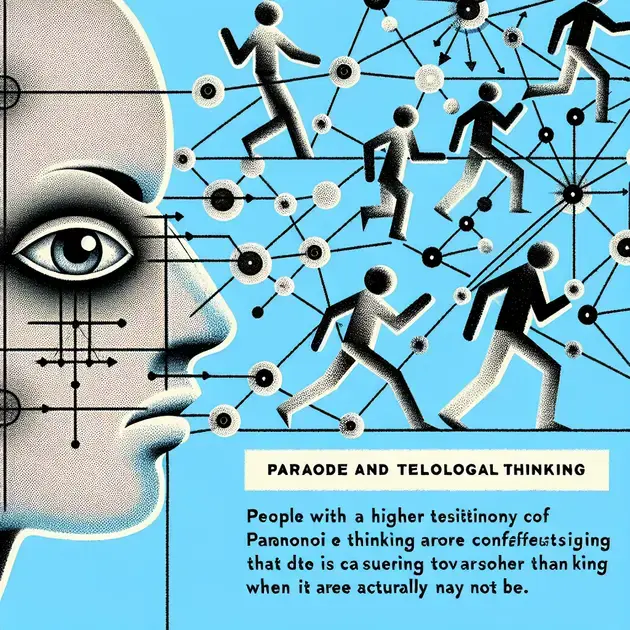
In the study, participants were asked to complete a visual perception task that involved identifying whether one moving dot was pursuing another. The findings revealed a notable disparity between those with paranoid tendencies and those without. Individuals prone to paranoia—characterized by the belief that others harbor malicious intentions—were significantly less accurate in their assessments. Not only did they struggle with the task, but they also expressed heightened confidence in their erroneous judgments, often insisting that one dot was indeed chasing the other, even when it was not.
These results point to the possibility that the cognitive processes underpinning paranoia may be linked to how visual information is interpreted. It appears that those with a predisposition to paranoia interpret ambiguous stimuli through a lens that infers threat and hostility, leading them to misjudge the dynamics of what they observe.
Teleological thinking, which involves attributing excessive meaning and purpose to everyday events, also played a role in the study. Participants who engaged in this type of thinking exhibited similar patterns of misperception. This suggests that not only do visual processing anomalies underlie paranoid thought, but they may also be influenced by broader cognitive styles that ascribe meaning to benign occurrences.
The implications of this research are profound. If visual perception tasks can reliably highlight tendencies toward paranoia or other mental illnesses like schizophrenia, we may be on the cusp of developing simple, non-invasive screening tools. Such advancements could revolutionize how mental health conditions are diagnosed and monitored, allowing for early detection and intervention.
In sum, these findings reveal that our beliefs about the world and the intentions of others may be rooted in fundamental visual processing mechanisms. By understanding these connections, we can better grasp the complexities of human cognition and potentially refine our approaches to mental health assessment and treatment. The intersection of vision and belief not only enriches our understanding of paranoia but also opens avenues for innovative diagnostic methods in psychological health.
Could complex beliefs such as paranoia have origins in something as fundamental as vision? A recent study provides evidence to support this idea. During a visual perception task where participants had to determine if one moving dot was pursuing another, those with a higher tendency toward paranoid thinking (the belief that others wish to harm them) and teleological thinking (ascribing excessive meaning and purpose to events) performed worse than their peers. These individuals were more likely and confident in asserting that one dot was chasing another when it actually was not. The findings indicate that, in the future, screening for conditions like schizophrenia may be possible through a simple eye test.
The Intensity of the FIFA World Cup Final: Insights from Recent Research
The FIFA World Cup final stands as one of the most thrilling spectacles in the world of sports. Millions of fans around the globe gather to watch their favorite nations compete for the ultimate prize in soccer. While spectators often describe the experience as intense and emotionally charged, it’s essential to consider the pressure and physical demands placed on the players themselves. According to a new study, the intensity of competition has been increasing over the years, creating an ever more challenging environment for elite athletes.
The New Paradigm of Competition
The study highlights that as the stakes rise during critical matches like the World Cup final, so does the level of competition. Players are not just competing against one another; they are also battling against their own physical limits, the expectations of their nations, and the fervent hopes of millions of fans. This layered pressure intensifies the match experience and raises the intensity of performance to unprecedented levels.
Physical and Mental Strain
Research indicates that the physical demands of playing in a World Cup final are greater than ever. Players now face longer matches, more rigorous training regimens, and the requirement for quicker recovery times. This demands not only an extraordinary level of fitness but also exceptional mental fortitude. The combination of heightened anticipation, psychological pressure, and the desire to perform can weigh heavily on players, influencing their on-field performance.
Technological Advancements and Training
With technological advancements in sports science, players are better prepared physically and mentally than in previous tournaments. However, this heightened preparation also raises expectations. Players are now trained to work at higher intensities, but this also means they must deliver results under extreme circumstances. The study suggests that while these advancements help, they also contribute to an atmosphere of ever-increasing pressure.
The Role of Fans and Media
The influence of fans and media cannot be underestimated. The expectation and scrutiny from passionate supporters amplify the intensity felt by players. Social media, in particular, has transformed how players engage with fans and how they perceive public expectations. The constant connectivity may enhance their accountability but can also add layers of pressure that few athletes have experienced in the past.
Conclusion
The FIFA World Cup final exemplifies an event that is not just a test of skill and teamwork but also a rigorous challenge to the mental and physical limits of the players involved. As outlined by the recent study, the intensity of these matches is not merely felt by spectators; it is an integral part of the players’ experience as well. As fans prepare to cheer on their teams in this exhilarating sporting event, it’s crucial to acknowledge the profound challenges faced by the athletes striving to bring glory to their nations. The World Cup final is a culmination of years of hard work, sacrifice, and enduring pressure that transforms these elite players into icons of the sport. If the experience of watching a FIFA World Cup soccer final is intense, consider the players, who are competing at an increasingly high level of intensity, according to a new study.
When it comes to achieving weight loss goals, incorporating the best supplements for weight loss can make a significant difference in your journey. With the weight loss industry constantly evolving, it can be challenging to determine which supplements are the most effective and safe to use.
From natural ingredients such as green tea extract and garcinia cambogia to scientifically formulated products like CLA and L-carnitine, the market is filled with a wide range of options to support weight loss. In this blog post, we will explore some of the best supplements for weight loss that are backed by research and have shown promising results for individuals looking to shed excess pounds.
Top Supplements for Weight Loss
When it comes to weight loss, incorporating supplements into your routine can be a helpful addition. There are various supplements available on the market that claim to aid in weight loss, but it’s essential to choose ones that are safe and effective. One top supplement for weight loss is green tea extract. Green tea extract is known for its metabolism-boosting properties and can be easily incorporated into your daily routine. You can find green tea extract supplements at health food stores or online retailers like Amazon.
Another popular supplement for weight loss is garcinia cambogia. Garcinia cambogia is a tropical fruit that contains hydroxycitric acid, which has been shown to help suppress appetite and block fat production. You can purchase garcinia cambogia supplements from various health stores or online platforms like Walmart.
Additionally, conjugated linoleic acid (CLA) is a supplement that has been linked to weight loss benefits. CLA can help reduce body fat and increase lean muscle mass. You can find CLA supplements at supplement stores or online websites like Vitacost.
Incorporating these top supplements for weight loss into your daily routine, along with a healthy diet and regular exercise, can help support your weight loss goals effectively.
Natural Ingredients for Effective Weight Loss
When it comes to weight loss, natural ingredients can be a great alternative to supplements. One natural ingredient that has been found to be effective for weight loss is apple cider vinegar. Apple cider vinegar can help regulate blood sugar levels and promote feelings of fullness. You can easily incorporate apple cider vinegar into your diet by adding it to salads or diluting it in water.
Cayenne pepper is another natural ingredient that is known for its weight loss benefits. Cayenne pepper contains capsaicin, which can boost metabolism and reduce appetite. You can sprinkle cayenne pepper on your meals or incorporate it into recipes for an extra kick.
Adding probiotics to your daily routine can also support weight loss efforts. Probiotics promote a healthy gut, which is essential for weight management. You can find probiotics in foods like yogurt or take them in supplement form, available at health stores or online retailers like iHerb.
By incorporating these natural ingredients into your diet and lifestyle, you can enhance your weight loss journey in a safe and effective way.
Scientifically Proven Products for Shedding Pounds
When looking for scientifically proven products for weight loss, it’s essential to choose ones backed by research and evidence. One such product is Orlistat, a weight loss medication that works by blocking the absorption of fat in the body. Orlistat is available by prescription and has been shown to be effective in helping individuals shed pounds.
Another scientifically proven product for weight loss is meal replacement shakes. Meal replacement shakes are formulated to provide essential nutrients while reducing overall calorie intake. Brands like SlimFast and Shakeology offer meal replacement shakes that can be purchased online or at local supermarkets.
Forskolin is a natural supplement that has also shown promising results in weight loss studies. Forskolin helps increase levels of cAMP, a compound that promotes fat loss. You can find forskolin supplements at health stores or online retailers like GNC.
By incorporating these scientifically proven products into your weight loss journey, you can have confidence in their efficacy and support in reaching your weight loss goals.
**Effective Habits for Long-Term Weight Management**
Establishing a Consistent Exercise Routine
One of the most effective habits for long-term weight management is establishing a consistent exercise routine. Regular physical activity not only burns calories but also helps boost metabolism, increase muscle mass, and improve overall health. Whether it’s going for a daily run, practicing yoga, or hitting the gym, finding an exercise regimen that you enjoy and can stick to is key.
Additionally, varying your workouts can prevent plateaus and keep things interesting. Incorporating a mix of cardio, strength training, and flexibility exercises can target different muscle groups and prevent burnout.
Remember to start slowly and gradually increase the intensity and duration of your workouts to avoid injury and burnout. Setting realistic goals and tracking your progress can help you stay motivated and on track towards long-term weight management success.
Incorporating physical activity into your daily routine, such as taking the stairs instead of the elevator or walking to work, can also contribute to your overall calorie burn and weight management efforts.
Overall, establishing a consistent exercise routine is essential for long-term weight management and overall health. Finding activities that you enjoy and can stick to, varying your workouts, setting realistic goals, and incorporating physical activity into your daily life are all key components of this effective habit.
Adopting a Balanced and Nutritious Diet
Another crucial aspect of long-term weight management is adopting a balanced and nutritious diet. Eating a variety of nutrient-dense foods, such as fruits, vegetables, whole grains, lean proteins, and healthy fats, can provide your body with the essential nutrients it needs to function optimally.
When it comes to weight management, portion control is also key. Paying attention to portion sizes, practicing mindful eating, and listening to your body’s hunger and fullness cues can help prevent overeating and support weight loss goals.
Avoiding highly processed and sugary foods, as well as excessive alcohol consumption, can also contribute to long-term weight management success. Instead, focus on whole, natural foods that nourish your body and support a healthy weight.
Meal planning and preparation can help you stay on track with your nutrition goals and avoid unhealthy food choices. Planning ahead, creating balanced meals, and having healthy snacks readily available can make it easier to stick to your long-term weight management plan.
By adopting a balanced and nutritious diet, focusing on portion control, avoiding processed foods, and planning ahead, you can support your weight management efforts and achieve long-term success in maintaining a healthy weight.
Practicing Mindful Eating and Portion Control
Mindful eating and portion control play a crucial role in long-term weight management. By paying attention to what you eat, savoring each bite, and listening to your body’s hunger and fullness cues, you can prevent overeating and make healthier food choices.
One effective strategy for practicing mindful eating is to eat slowly, chew your food thoroughly, and avoid distractions while eating, such as watching TV or scrolling through your phone. This can help you tune into your body’s signals and prevent mindless eating.
Portion control is also important for weight management. Using smaller plates, measuring your portions, and being mindful of serving sizes can help prevent overeating and support your weight loss goals.
Awareness of portion sizes and learning to distinguish between physical hunger and emotional hunger can help you make more conscious decisions about what and how much to eat. By practicing mindful eating and portion control, you can develop healthier eating habits and support your long-term weight management efforts.
Incorporating these habits into your daily routine, such as practicing mindful eating, portion control, and listening to your body’s hunger cues, can help you achieve and maintain a healthy weight over the long term.
**Conclusion**
In conclusion, long-term weight management hinges on the establishment of consistent exercise routines, adoption of a balanced and nutritious diet, and practice of mindful eating and portion control. By incorporating these effective habits into everyday life, individuals can enhance their overall health and achieve sustained weight loss success.
Establishing a consistent exercise routine is paramount for managing weight in the long term. Engaging in various activities, such as cardio, strength training, and flexibility exercises, contributes to muscle development and metabolism boost. By setting achievable goals and diversifying workouts, individuals can prevent plateaus and maintain motivation, ultimately leading to improved health and weight management.
Furthermore, adopting a balanced and nutritious diet complements the exercise regimen. Embracing whole foods like fruits, vegetables, lean proteins, and healthy fats, while prioritizing portion control and mindful eating, plays a vital role in sustaining weight loss efforts. By steering clear of processed foods and alcohol excess, individuals can fuel their bodies with essential nutrients and support long-term weight management goals.
The practice of mindful eating and portion control serves as a crucial component in the journey towards sustained weight management. By savoring each bite, being aware of hunger cues, and distinguishing between physical and emotional hunger, individuals can develop healthier eating habits. Incorporating these mindful practices into daily routines aids in preventing overeating and supports the maintenance of a healthy weight over time.
In essence, by integrating consistent exercise routines, balanced nutrition, and mindful eating habits into their lifestyles, individuals can pave the way for long-term weight management success. These habits not only contribute to physical well-being but also foster a sustainable approach to achieving and maintaining a healthy weight.
The Power of Solitude: Exploring Restorative Moments
Title: The Power of Solitude: Exploring Restorative Moments
Introduction:
In today’s fast-paced world, finding moments of solitude has become increasingly important for individuals seeking to restore energy and maintain social connectedness. While venturing alone deep into a forest or engaging in similar episodes of intense solitude may seemingly provide the utmost respite, recent research suggests that less complete forms of solitude, such as reading in a cafe or listening to Spotify while commuting, may be equally beneficial in restoring energy and enhancing social connectedness.
Unequivocal Experiences of Solitude:
Hiking alone in a serene forest has long been hailed as a captivating way to escape the noise and distractions of daily life. The solitude experienced in such an environment allows individuals to concentrate on their thoughts and feelings, fostering introspection and self-reflection. Nevertheless, recent studies indicate that these intense solitary experiences may not necessarily lead to enhanced energy restoration or social connectedness, as previously believed.
Understanding the Benefits of Incomplete Solitude:
Contrary to popular perception, solitude does not necessarily imply complete isolation from the world. Moments of partial solitude, such as reading in a cafe or listening to music during a daily commute, can also offer respite from the external demands of social interaction. These activities often strike a balance between solitude and external stimulation, providing an opportunity for individuals to rejuvenate and connect with their inner selves.
Reading in a Cafe:
Immersing oneself in a good book while sipping a cup of coffee in a bustling cafe offers a unique blend of solitude and social connectedness. The ambient noises and occasional interactions with people create a sense of belonging and connectedness, highlighting the beauty of solitary moments without feeling disconnected from the world. This form of solitude allows individuals to recharge their energy while also fostering a sense of belonging.
Enjoying Music during Commutes:
Modern technologies, such as music streaming platforms like Spotify, have transformed daily commutes into personal retreats. The ability to curate personalized playlists or explore new genres enables individuals to create an inclusive experience of solitude during their travels. By disconnecting from the immediate surroundings while connecting with their favorite tunes, individuals can restore their energy levels in a way that fosters positive emotions and social connectedness throughout the rest of their day.
Conclusion:
While the allure of venturing deep into a forest for a solitary hike may remain enticing, recent research has shed light on the equal merits of less complete forms of solitude. Engaging in activities such as reading in a cafe or listening to music while commuting presents individuals with opportunities to restore energy and foster social connectedness, while striking a delicate balance between solitude and external stimulation. By exploring these various forms of solitude, individuals can effectively nurture their mental well-being while staying connected with the world around them.
The study highlights the potential of technology in improving the lives of individuals with visual impairments. Through virtual reality simulations, researchers developed a navigation system that surpasses traditional methods like canes or guide dogs. By combining vibrational impulses and auditory cues, this system provides a unique way for pBLV individuals to perceive and interact with their environment.
Vibrational feedback plays a vital role in conveying spatial information to pBLV users. Wearable devices that vibrate are placed on different body parts, creating a sense of spatial awareness through distinct vibration patterns corresponding to obstacle location and proximity. This tactile feedback helps users identify and avoid barriers, enhancing safety and confidence in complex environments.
Alongside vibrational feedback, the system employs sound cues to further augment navigation. 3D audio technology enables users to perceive sound sources and their movements, aiding spatial orientation and providing valuable information about the surroundings. The combination of vibrational and sound feedback creates a comprehensive and immersive navigation experience for individuals with visual impairments.
The study’s results were overwhelmingly positive, with participants reporting significant improvements in their navigational abilities using the innovative system. Many expressed increased confidence in unfamiliar environments and noted that the vibrational and sound feedback greatly enhanced their spatial awareness.
The study’s implications are significant, representing a major step forward in improving the quality of life for individuals with visual impairments. The innovative navigation system offers hope for pBLV individuals, granting greater independence and empowering them to explore their surroundings with increased safety and ease.
Looking ahead, further development and refinement of this navigation system hold the potential to revolutionize mobility options for individuals who are blind or have low vision. With technological advancements and continued research, integrating this innovative system into real-world applications, assistive devices, and everyday life for pBLV individuals becomes a realistic possibility.
In conclusion, this recent study presents a groundbreaking navigation system for individuals who are blind or have low vision. By combining vibrational and sound feedback, this innovative technology aims to empower users with enhanced navigation capabilities in complex real-world environments. As further research and development continue, this system has the potential to offer new hope for individuals with visual impairments, ultimately transforming their lives for the better.
A team of researchers recently announced a groundbreaking drug delivery system
A team of researchers recently announced a groundbreaking drug delivery system that has the potential to revolutionize the field of drug development. This innovative system is set to address several challenges faced by pharmaceutical companies and improve drug effectiveness.
The researchers, from various renowned institutions, embarked on this project with the aim of overcoming the limitations of traditional drug delivery methods. These methods often result in inefficient drug distribution, poor bioavailability, and potential side effects. The new drug delivery system seeks to address these issues and offer a more targeted and efficient approach.
By utilizing advanced technologies and materials, the research team has developed a system that can precisely transport drugs to specific cells or tissues. This targeted delivery ensures that the medication reaches its intended target, increasing its effectiveness while minimizing side effects. The team’s extensive research and experimentation have shown promising results, with significant improvements in drug bioavailability and therapeutic outcomes.
Moreover, this innovative drug delivery system offers a valuable platform for improving drug development processes. It allows researchers to study the effects of different drugs on specific cells or tissues more accurately. This can potentially accelerate the drug discovery and development timeline, leading to the availability of new and improved medications for various diseases and conditions.
The implications of this breakthrough cannot be overstated. By enhancing drug delivery, this system has the potential to improve treatments for a wide range of diseases, including cancer, cardiovascular conditions, and neurological disorders. Additionally, it could aid in developing personalized medicine, where treatments are tailored to an individual’s specific needs, maximizing effectiveness and minimizing side effects.
Although detailed information about the new drug delivery system is currently limited, the potential it holds for the field of drug development is undoubtedly significant. As further research and testing are conducted, it is expected that more information will become available, shedding light on the various aspects and applications of this innovative approach.
In conclusion
The creation of an innovative drug delivery system by a team of researchers is poised to revolutionize drug development. With its potential to effectively and precisely target specific cells or tissues, this system has the potential to improve drug efficacy while minimizing side effects. Furthermore, it offers a valuable platform for accelerating the drug development process and advancing personalized medicine. As more information becomes available, it is hoped that this breakthrough will pave the way for the development of safer and more effective medications to benefit patients worldwide.
Reinforcement Learning in Guiding Physicians Towards Effective Treatment Strategies
Reinforcement Learning, an artificial intelligence approach, has enormous potential in guiding physicians towards designing effective sequential treatment strategies that can lead to improved patient outcomes. A recent study investigated the application of this approach in clinical settings and found that despite its promising prospects, significant improvements are needed before its practical implementation.
The study focuses on how Reinforcement Learning can be utilized to optimize treatment decision-making processes in a sequential manner. By using algorithms that learn from experience and feedback, this approach can assist doctors in making more informed choices that can ultimately enhance patient care.
However, the study reveals that the current state of Reinforcement Learning is not completely equipped for direct application in clinical settings. Although the potential benefits are apparent, there are several challenges that need to be addressed. Some of these challenges include the interpretability and explainability of the models, the availability of high-quality medical data, and the ethical considerations surrounding the use of AI in healthcare.
Despite these limitations, the study recognizes the value of Reinforcement Learning as a tool that can greatly aid physicians in their decision-making processes. The research suggests that further advancements and improvements are necessary to ensure the successful integration of this approach into clinical practice.
In conclusion, Reinforcement Learning holds great promise in guiding physicians towards designing sequential treatment strategies that can lead to improved patient outcomes. However, it is essential to address the existing limitations and overcome challenges before the widespread application of this artificial intelligence approach in clinical settings can be achieved. Researchers and healthcare professionals are encouraged to work collaboratively to refine and develop Reinforcement Learning techniques for successful integration into medical decision-making processes.
Adaptado de: “Reinforcement Learning, uma abordagem de inteligência artificial, tem o potencial de orientar médicos na concepção de estratégias de tratamento sequencial para melhores resultados para os pacientes, mas requer melhorias significativas antes de poder ser aplicado em ambientes clínicos, conclui um novo estudo.”
Could Paranoia and Complex Beliefs Be Linked to Visual Perception?
Title: Could Paranoia and Complex Beliefs Be Linked to Visual Perception?
Introduction:
Paranoia and other complex beliefs can greatly affect an individual’s perception of reality. Recent research suggests that these beliefs might have roots in something as basic as visual perception. In a study investigating the connection between paranoid thinking, teleological thinking, and visual perception, participants were asked to complete a task involving the identification of moving dots and their intentions. The results provided intriguing evidence that individuals with higher tendencies towards paranoid thinking and ascribing excessive meaning to events performed worse in the task. These findings shed light on the potential use of simple eye tests in diagnosing psychiatric conditions like schizophrenia.
Understanding Paranoid Thinking:
Paranoid thinking refers to the tendency to believe that others have harmful intentions towards oneself. Those with paranoid thinking may often perceive innocent actions as deliberate acts of hostility or aggression. This cognitive bias can severely impact an individual’s ability to accurately interpret social situations and behavior.
Teleological Thinking:
Teleological thinking involves attributing purpose and meaning to events, often going beyond what is rational or logically supported. Individuals with teleological thinking may perceive coincidences as interconnected events shaped by a specific purpose. This way of thinking can contribute to the development of elaborate beliefs and conspiracy theories.
The Study Method and Findings:
The study recruited a group of participants and assessed their paranoid thinking and teleological thinking tendencies using established psychological scales. The participants were then administered a visual perception task, challenging them to identify whether one moving dot was chasing another moving dot.
Surprisingly, the study found that individuals with higher scores in paranoid thinking and teleological thinking performed worse in the task. These participants were more likely to claim that a dot was chasing another, even when it was not. Furthermore, the participants expressed their claims with high confidence, suggesting an underlying cognitive bias affecting their perception.
Implications for Diagnosis and Future Research:
The implications of this study are significant, hinting at a potential correlation between visual perception and complex beliefs such as paranoia. The findings propose the possibility of using simple eye tests to screen for psychiatric conditions like schizophrenia, as individuals with higher tendencies towards paranoid and teleological thinking exhibited distinct perceptual patterns.
However, further research is required to establish a causal relationship and explore the underlying mechanisms connecting visual perception and complex beliefs. Future studies might investigate the neural processes associated with paranoid thinking and explore potential interventions targeting these cognitive biases.
Conclusion:
The study provides compelling evidence of a connection between paranoid and teleological thinking tendencies and impaired visual perception. Understanding the relationship between complex beliefs and basic cognitive processes like visual perception could significantly contribute to the development of novel diagnostic methods for psychiatric conditions. By identifying and addressing these cognitive biases, researchers can potentially enhance treatment strategies and improve the overall well-being of individuals who experience distorted perceptions of reality.
Could complex beliefs like paranoia have their origins in something as fundamental as vision? A recent study suggests that this might indeed be the case. During a visual perception task, participants were asked to determine if one moving dot was chasing another moving dot. The study discovered that individuals with higher tendencies towards paranoid thinking (such as believing others have harmful intentions) and teleological thinking (attributing excessive meaning and purpose to events) performed poorly compared to their counterparts.
These individuals more frequently and confidently claimed that one dot was chasing the other, even when it wasn’t the case. These findings imply that, in the future, it may be possible to diagnose disorders like schizophrenia through a straightforward eye examination.
This finding raises questions about the potential impact of the ingredients used in PBMAs and the dietary patterns of individuals who consume them regularly. Certain ingredients, such as soy and gluten, have been known to negatively affect some individuals and may contribute to depressive symptoms. Additionally, an imbalance in essential nutrients like vitamins, minerals, and omega-3 fatty acids, which are important for mental health, could potentially play a role.
Moreover, the ethical and environmental factors that often drive individuals to choose a vegetarian lifestyle may indirectly impact their mental well-being. While vegetarianism is generally associated with positive mental health outcomes, the inclusion of PBMAs may introduce additional factors that contribute to psychological distress.
In conclusion, the initial findings of this study suggest a potential link between the consumption of PBMAs and an increased risk of depression among vegetarians. Further research is necessary to gain a deeper understanding of the underlying mechanisms at play. It is essential for both vegetarians and non-vegetarians to consider the potential effects of ingredients, nutritional imbalances, and ethical factors on mental well-being when making dietary choices. With ongoing research in this area, individuals can make informed decisions about their diet and prioritize their mental health.
In a recent study conducted by researchers, the impact of plant-based meat alternatives (PBMAs) on the mental health of individuals following a vegetarian diet was explored. The findings revealed a previously unexplored aspect of vegetarianism, suggesting potential psychological consequences associated with the consumption of PBMAs.
PBMAs have become increasingly popular in recent years, providing vegetarians and vegans with a substitute for traditional animal-based meat. These products are typically made from various plant proteins and other ingredients that simulate the taste, texture, and appearance of real meat. While PBMAs have been well-received by many, this study raises concerns about their potential impact.
The researchers analyzed data from a large group of vegetarians, examining their dietary choices and mental health status. They discovered a significant association between the consumption of PBMAs and a higher risk of depression among vegetarians. However, it is important to note that this correlation does not necessarily imply causation.
Further research is needed to determine whether there is a direct cause and effect relationship between PBMA consumption and depression in vegetarians. Additionally, it is worth mentioning that this study solely focused on the vegetarian population, and its findings may not be applicable to individuals following other dietary patterns.
Further studies should aim to investigate the potential underlying mechanisms for this observed link. One possible hypothesis is that certain ingredients or additives in PBMAs may impact mood and mental well-being. It is also possible that individuals who consume PBMAs may have other dietary or lifestyle factors contributing to their increased risk of depression.
Regardless, this study emphasizes the importance of considering the psychological impact of dietary choices. Mental health is a complex aspect of overall well-being, and its significance should not be underestimated when evaluating the suitability and long-term effects of any dietary pattern.
As more research is conducted, it will be interesting to see how these findings evolve and whether they are supported by other studies. In the meantime, vegetarians and those considering incorporating PBMAs into their diet are encouraged to remain mindful of their mental health and consult with healthcare professionals if they have any concerns.
Ultimately, this study serves as a reminder that there is still much to be learned about the relationship between diet and mental health. Whether you choose to consume PBMAs or not, prioritizing a balanced and nourishing diet, along with other measures to support mental well-being, remains crucial for maintaining overall health and happiness.
To provide the best experiences, we use technologies like cookies to store and/or access device information. Consenting to these technologies will allow us to process data such as browsing behavior or unique IDs on this site. Not consenting or withdrawing consent, may adversely affect certain features and functions.
Functional
Always active
The technical storage or access is strictly necessary for the legitimate purpose of enabling the use of a specific service explicitly requested by the subscriber or user, or for the sole purpose of carrying out the transmission of a communication over an electronic communications network.
Preferences
The technical storage or access is necessary for the legitimate purpose of storing preferences that are not requested by the subscriber or user.
Statistics
The technical storage or access that is used exclusively for statistical purposes.The technical storage or access that is used exclusively for anonymous statistical purposes. Without a subpoena, voluntary compliance on the part of your Internet Service Provider, or additional records from a third party, information stored or retrieved for this purpose alone cannot usually be used to identify you.
Marketing
The technical storage or access is required to create user profiles to send advertising, or to track the user on a website or across several websites for similar marketing purposes.