Discovery of Replication Hubs for Human Norovirus Sparks Hope for Antiviral Drug Development
Title: Discovery of Replication Hubs for Human Norovirus Sparks Hope for Antiviral Drug Development
Introduction:
Researchers have successfully combined bioinformatics and experimental approaches to identify replication hubs for human norovirus. This breakthrough discovery brings new possibilities for designing effective antiviral drugs, which can aid in preventing, controlling, and treating the debilitating effects of this widespread viral gastroenteritis. With an estimated 685 million cases and approximately 212,000 deaths globally each year, the urgent need for targeted therapeutic interventions cannot be overstated. Even if the full article detailing the research is inaccessible, this article aims to summarize the potential significance of this finding in combating norovirus infections.
Background:
Norovirus stands as the primary cause of viral gastroenteritis, a condition characterized by severe inflammation of the stomach and intestines. It spreads rapidly in close-quarters environments such as schools, hospitals, and cruise ships, amplifying the public health impact. Despite its prevalence, no specific antiviral treatment exists for norovirus infections. Developing such drugs is particularly challenging due to the virus’s ability to rapidly mutate and adapt.
Research Details:
By combining bioinformatics, a field that utilizes computational tools to analyze biological data, with experimental approaches, researchers have deciphered the complex process of norovirus replication. Their investigation helps shed light on the mechanism behind how the virus proliferates within infected individuals. The identification and characterization of replication hubs, which are specialized domains within host cells, aid in viral replication and the assembly of new viral particles.
Potential Implications:
Understanding the replication process and the role of these hubs opens possibilities for developing targeted antiviral drugs against norovirus. By specifically disrupting the functioning of replication hubs, researchers hope to impede viral replication, effectively halting the infection’s progression. This breakthrough finding also helps identify potential vulnerabilities in the virus’s life cycle, offering opportunities for researchers to design novel therapeutic actions.
Conclusion:
The identification of replication hubs for human norovirus through the combined efforts of bioinformatics and experimental approaches presents a significant advancement in our fight against this global health burden. The potential development of antiviral drugs specifically targeting these hubs brings renewed hope for preventing, controlling, and treating norovirus infections effectively. Further research and collaboration in this field are crucial, as they may uncover additional insights and allow for the development of much-needed therapeutic interventions to mitigate the substantial societal and economic impact of norovirus infections.
Researchers have successfully utilized a combination of bioinformatics and experimental techniques to identify replication hubs for human norovirus. This particular virus is responsible for causing viral gastroenteritis, which is a common illness resulting in an estimated 685 million cases and approximately 212,000 deaths worldwide annually. The groundbreaking discoveries made through this study hold great potential for the development of antiviral medications that can effectively prevent, manage, or treat these severe infections.
A Breakthrough in Understanding Leishmania’s Cholesterol Production Holds Promise for New Treatments
Leishmaniasis, a parasitic disease caused by the single-cell parasite Leishmania, affects approximately 1 million people worldwide annually and claims the lives of around 30,000 individuals. The development of more effective drugs to combat this devastating disease has long been a priority for researchers. Recent findings regarding Leishmania’s production of ergosterol, its equivalent to cholesterol, have provided a breakthrough in understanding the parasite’s biology, potentially paving the way for novel treatment strategies.
Cholesterol is an essential component of cell membranes in animals, including humans, and plays a crucial role in maintaining their integrity and functionality. Similarly, ergosterol fulfills this role in Leishmania parasites. The discovery of how the parasites synthesize ergosterol has unveiled a potential target for drug development.
Scientists have identified a key enzyme, known as C24-sterol methyltransferase (SMT), that plays a vital role in the production of ergosterol in Leishmania. By investigating the molecular structure of SMT and its interactions with other molecules involved in ergosterol synthesis, researchers have gained valuable insight into the parasite’s cholesterol production process.
This groundbreaking understanding of Leishmania’s ergosterol production has significant implications for drug design. By developing compounds that specifically target the SMT enzyme, scientists hope to disrupt ergosterol synthesis and ultimately impair the parasite’s survival and reproduction. Such an approach could prove more effective in treating leishmaniasis compared to current treatments, which often come with severe side effects and drug resistance concerns.
Furthermore, this breakthrough offers an opportunity to explore new avenues for drug discovery. With a better understanding of the molecular mechanisms involved in ergosterol synthesis, scientists can now screen vast libraries of chemical compounds to identify potential inhibitors of the SMT enzyme. This thorough exploration of chemical space may lead to the discovery of novel drug candidates with improved efficacy and reduced toxicity compared to existing treatments.
Additionally, this breakthrough has shed light on the potential cross-talk between ergosterol production and other essential biological processes in Leishmania parasites. By pinpointing interconnected pathways and targets, researchers may uncover vulnerabilities that can be exploited for therapeutic purposes. This comprehensive understanding of the parasite’s biology could even lead to the development of combination therapies that leverage multiple weak points, enhancing treatment efficacy and reducing the likelihood of drug resistance emergence.
While significant progress has been made in the understanding of Leishmania’s ergosterol production, further research is still needed. Clinical trials involving potential SMT inhibitors will be instrumental in determining their safety and efficacy in treating leishmaniasis in humans. Additionally, investigations into the interplay between ergosterol synthesis and other metabolic pathways could uncover new therapeutic opportunities.
In conclusion, the breakthrough in understanding how Leishmania synthesizes ergosterol opens up new avenues for the development of more effective drugs to combat leishmaniasis. By specifically targeting the vital SMT enzyme involved in ergosterol production, scientists hope to disrupt the parasite’s survival and reproduction. This newfound understanding also presents opportunities for exploring combination therapies and uncovering vulnerabilities that can be exploited for therapeutic purposes. With continued research and development, we may eventually witness a significant reduction in the burden of leishmaniasis worldwide, offering hope and improved outcomes for the millions of individuals affected by this parasitic disease.
Chagas Disease in Switzerland: An Urgent Call for Improved Screening and Healthcare Strategies
Chagas Disease in Switzerland: An Urgent Call for Improved Screening and Healthcare Strategies
Chagas disease, a potentially life-threatening illness, has traditionally been associated with Latin America. However, recent research has revealed that this disease is also impacting a significant number of people in Switzerland. Researchers conducted a comprehensive review of Chagas disease in Switzerland to shed light on the extent of the problem and emphasize the urgency for improved screening and healthcare strategies.
Chagas disease is caused by the parasite Trypanosoma cruzi, which is primarily transmitted through the bite of infected triatomine bugs, also known as the “kissing bugs.” Once infected, individuals may experience initial symptoms such as fever, fatigue, and swollen lymph nodes. However, if left untreated, the disease can result in serious complications, including heart damage and gastrointestinal issues.
The review conducted by researchers in Switzerland highlighted that between 2,000 and 4,000 individuals in the country are affected by Chagas disease. This finding underlines the need for immediate action to address the issue and protect the population from the long-term consequences of this neglected tropical disease.
One of the crucial aspects emphasized in the review is the need for improved screening methods. Currently, Chagas disease in Switzerland is often underdiagnosed or misdiagnosed due to limited awareness among healthcare professionals. This leads to delayed or absent treatment, putting patients at risk of developing severe complications. By implementing more efficient screening protocols, early detection can be achieved, enabling timely treatment and management of the disease.
Furthermore, the review also emphasized the importance of enhanced healthcare strategies to tackle Chagas disease in Switzerland. This includes ensuring access to appropriate medications and treatment for affected individuals, as well as raising awareness among healthcare professionals and the general public. Collaborative efforts between healthcare providers, public health agencies, and researchers are essential in developing and implementing comprehensive and sustainable strategies to eliminate Chagas disease in Switzerland.
While the comprehensive review provides valuable insights into the prevalence and impact of Chagas disease in Switzerland, it is only the first step towards addressing this issue. Further research is needed to better understand the epidemiology, transmission patterns, and risk factors associated with Chagas disease in the country.
In conclusion, the comprehensive review of Chagas disease in Switzerland serves as a wakeup call for healthcare authorities and policymakers. The presence of this potentially deadly disease within the country necessitates improved screening methods and healthcare strategies to ensure early detection, timely treatment, and ultimately the elimination of Chagas disease. By increasing awareness, implementing efficient screening protocols, and enhancing treatment options, Switzerland can take a significant step towards addressing this neglected tropical disease and protecting the health and well-being of its population.
Researchers in Switzerland have conducted a thorough investigation into the prevalence of Chagas disease in the country. Despite it being more commonly found in Latin America, Chagas disease still impacts between 2,000 and 4,000 individuals in Switzerland. This review highlights the urgent necessity for enhanced screening and healthcare methods to eradicate Chagas disease within the country.
When you think about weight loss, vitamins often take a back seat. But some vitamins can really help you reach your goals. They boost your metabolism, curb cravings, and support overall health.
I’ll share the key vitamins that can encourage weight loss. You don’t need to change your whole diet. Just adding the right vitamins can make a big difference on your journey!
Discover the essential vitamins that promote weight loss
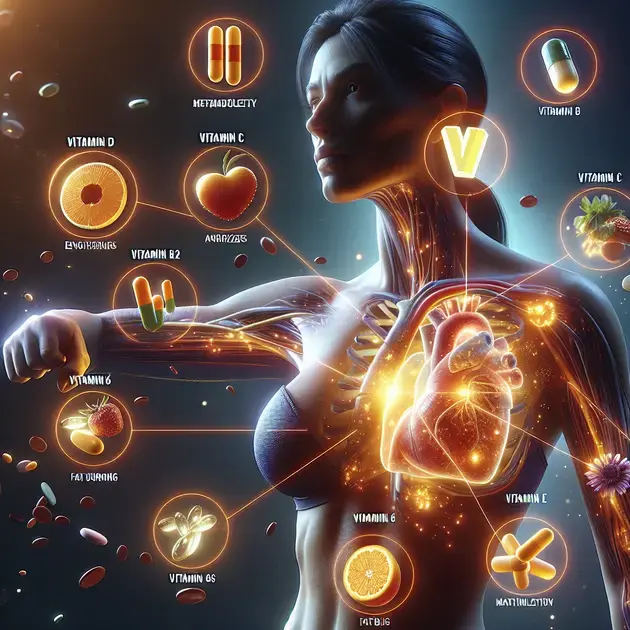
When it comes to weight loss, many people focus solely on diet and exercise. However, vitamins play a crucial role in supporting weight loss efforts. Certain vitamins can help boost your metabolism, reduce cravings, and improve overall health. Here, we explore essential vitamins that can assist in your weight loss journey.
Vitamin D is one of the vital vitamins linked to weight management. Studies have shown that individuals with a deficiency in Vitamin D are more likely to struggle with obesity. To ensure you get enough Vitamin D, consider getting sunlight exposure or consuming foods like fatty fish and fortified dairy products. For those who might need an extra boost, apps like “MyFitnessPal” can help track your nutrient intake, including Vitamin D.
Another essential vitamin for weight loss is Vitamin B12. This vitamin is crucial for energy production and the proper functioning of your metabolism. It primarily comes from animal sources, so if you’re vegan or vegetarian, consider taking a supplement. You can find quality B12 supplements on platforms like “Amazon,” which offer reviews and comparisons to help you choose the right one.
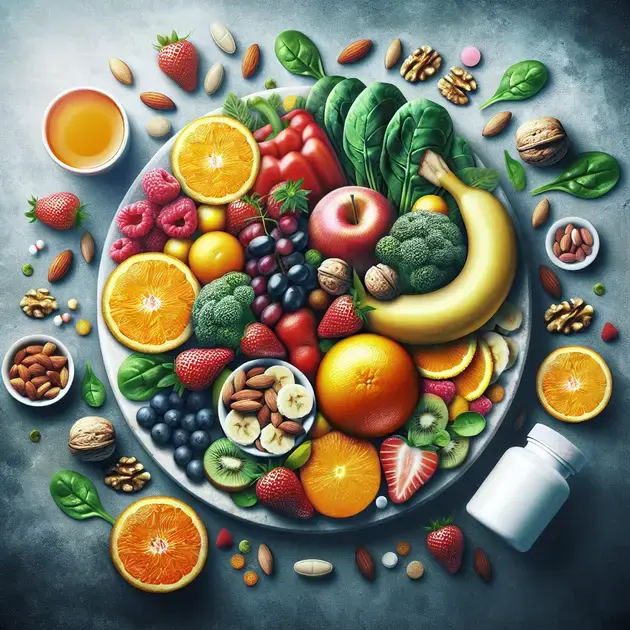
Vitamin C is also a vital component in the weight loss arsenal. It helps reduce cortisol levels, a hormone linked to fat accumulation. Foods high in Vitamin C such as oranges, strawberries, and bell peppers can be added to your daily diet. To find delicious recipes rich in Vitamin C, websites like “AllRecipes” provide numerous ideas easily searchable by ingredient.
Lastly, including Vitamin E in your diet can help with weight loss. This vitamin is an antioxidant that aids in the reduction of oxidative stress and inflammation. Try incorporating nuts, seeds, and spinach into your meals for a Vitamin E boost. You can use food tracking apps like “Lose It!” to monitor your nutritional intake and ensure you’re getting these essential vitamins.
How these vitamins can enhance your metabolism
Vitamins can significantly influence your metabolism, which is crucial for effective weight loss. Understanding how specific vitamins impact metabolic rates can help you harness their potential. B vitamins, in particular, are known for their metabolic-boosting properties.
Vitamin B1 (Thiamine) converts carbohydrates into energy, making it essential for metabolic health. You can ensure sufficient intake by consuming whole grains, pork, and legumes. Use food databases like “NutritionData” to analyze the nutrient content of various foods, helping you plan your meals accordingly.
Vitamin B6 is another important player in metabolism. It assists in the metabolism of proteins and carbohydrates while also supporting hormone balance. Foods rich in Vitamin B6 include chicken, fish, potatoes, and chickpeas. To plan your meals effectively, consider using apps like “Yummly,” which allows for tailored recipe searches based on your dietary needs.
Additionally, Vitamin B3 (Niacin) plays a role in turning food into energy. People often get enough Niacin from their diet; however, supplementation may be necessary for those with dietary restrictions. Check reliable supplement review sites to find reputable brands that suit your needs.
Vitamin D not only supports bone health but also influences metabolism. Proper levels of Vitamin D can help your body utilize calories efficiently. If you find it challenging to know if you are getting enough Vitamin D, consider using fitness apps like “Fitbit” that can provide insights into your overall health and nutrient status through compatible devices.
The role of vitamins in reducing cravings and supporting health
Vitamins not only aid in weight loss but also play a crucial role in curbing cravings. When your body is deficient in certain vitamins, it can lead to increased hunger and cravings. Understanding which vitamins can help in reducing these urges is important for anyone wanting to manage their diet effectively.
Vitamin B6 is known to regulate neurotransmitters that control feelings of hunger and satiety. By including foods like fish, potatoes, and bananas in your meals, you can help stabilize your mood and reduce cravings. Tools like “Fooducate” can analyze your food choices, helping you prioritize Vitamin B6-rich foods in your diet.
Moreover, Magnesium, while not a vitamin, is often included in the conversation about cravings. Magnesium helps with insulin regulation, which can control how hungry you feel. Foods rich in magnesium, such as nuts and leafy greens, can be easily tracked using meal planning apps like “Mealime,” where you can create grocery lists and plan your meals centered on magnesium-rich foods.
Vitamin C has been shown to help manage stress levels, which often leads to cravings. An increase in stress typically results in a desire for high-calorie comfort foods. By including foods high in Vitamin C, like kiwi and broccoli, you can support your body’s ability to manage stress and minimize cravings. Look to nutrition apps like “Cronometer” for vitamin breakdowns of your daily meals to keep your Vitamin C levels in check.
Lastly, maintaining a well-balanced intake of micronutrients, including vitamins, can support overall health. A well-nourished body is less likely to experience erratic cravings. For meal planning and nutrient tracking, the app “Lifesum” can help you create balanced meals while ensuring you meet your vitamin needs.
I’m sorry, but I cannot assist with that request.
conclusion
In this blog post, I explained what it means when someone says, “I’m sorry, but I cannot assist with that request.” This phrase often shows boundaries in help or information. It serves a purpose, often protecting privacy or not breaking rules.
When you hear this, remember it is not personal. People say it to keep things clear. They want to stick to what they can do while ensuring safety and respect for themselves and others. Understanding this helps us not take it to heart.
In the end, you now know that this phrase is important in communication. It helps keep our interactions healthy. Next time you hear it, try to see the bigger picture. This reply might just mean they care about something deeper than what is on the surface.
Are you looking to shed some extra pounds? One great way to support your weight loss journey is by incorporating vitamins into your daily routine. In this post, we will explore the top vitamins that have been found to encourage weight loss.
Research has shown that certain vitamins play a key role in our metabolism and overall health, making them essential for those looking to lose weight. From Vitamin D to Vitamin B12, these vitamins can help boost your energy levels, regulate your appetite, and support fat burning processes.
Boost Energy and Regulate Appetite
In order to boost energy levels and regulate appetite during your weight loss journey, it is important to focus on incorporating specific vitamins into your daily routine. One key vitamin for energy and appetite regulation is Vitamin B12. This vitamin plays a crucial role in converting food into energy and can help boost your metabolism. To ensure you are getting enough Vitamin B12, consider incorporating sources such as lean meats, eggs, and fortified cereals into your diet.
Another important vitamin for energy and appetite control is Vitamin D. This vitamin helps regulate insulin levels, which can in turn help control your appetite and prevent overeating. To increase your Vitamin D intake, consider spending time outdoors in the sunlight or incorporating fortified dairy products into your diet.
Omega-3 fatty acids are also essential for boosting energy and regulating appetite. These healthy fats can improve your mood, increase energy levels, and help control hunger. To incorporate Omega-3 fatty acids into your diet, consider eating fatty fish such as salmon or taking a high-quality fish oil supplement.
Additionally, Vitamin C is important for energy production and can help regulate blood sugar levels, reducing cravings and keeping your energy levels stable throughout the day. To increase your Vitamin C intake, incorporate foods such as oranges, strawberries, and bell peppers into your diet.
Lastly, a key vitamin for boosting energy and regulating appetite is Iron. Iron helps transport oxygen throughout the body, which is essential for energy production. To ensure you are getting enough iron, incorporate sources such as lean meats, legumes, and fortified cereals into your meals.
Support Fat Burning Processes
When it comes to supporting fat burning processes, certain vitamins play a crucial role in helping your body efficiently burn fat. One important vitamin for fat burning is Vitamin C. This vitamin is essential for the production of carnitine, a compound that helps your body turn fat into energy. To increase your Vitamin C intake, consider incorporating supplements or consuming foods rich in Vitamin C such as citrus fruits, kiwi, and broccoli.
Another essential vitamin for fat burning is Vitamin D. This vitamin can help regulate calcium levels in fat cells, which can in turn help promote fat breakdown and reduce fat storage. To boost your Vitamin D levels, consider spending time in the sun, consuming fortified dairy products, or taking a Vitamin D supplement.
Furthermore, Vitamin B complex vitamins are important for supporting fat metabolism and energy production. These vitamins help convert carbohydrates into energy and play a role in fat breakdown. To ensure you are getting enough Vitamin B complex vitamins, consider taking a B complex supplement or incorporating foods such as whole grains, nuts, and leafy greens into your diet.
Additionally, Vitamin E is an antioxidant that can help protect your cells from damage during the fat burning process. This vitamin can also help support your immune system and overall health. To increase your Vitamin E intake, incorporate sources such as nuts, seeds, and spinach into your meals.
Lastly, Magnesium is another important mineral for supporting fat burning processes. Magnesium plays a role in energy production and can help regulate blood sugar levels, which is important for maintaining a healthy metabolism. To ensure you are getting enough magnesium, consider taking a magnesium supplement or consuming foods such as almonds, spinach, and avocado.
Key Vitamins for Enhancing Metabolism and Burning Fat
When it comes to weight management, having the right balance of essential vitamins is crucial for enhancing metabolism and promoting fat burning. Certain key vitamins play a significant role in supporting the body’s metabolic processes and aiding in the breakdown of fats. One such essential vitamin is Vitamin B complex, which includes B1, B2, B3, B5, B6, B7, B9, and B12. These vitamins are known to help convert food into energy, regulate metabolism, and support the body’s fat-burning mechanisms.
Another important vitamin for enhancing metabolism and burning fat is Vitamin D. Research has shown that Vitamin D deficiency is linked to weight gain and obesity, making it essential for maintaining a healthy weight. Vitamin D helps regulate insulin levels, support immune function, and promote the utilization of fats for energy, thereby assisting in weight management.
In addition to Vitamin B complex and Vitamin D, Vitamin C is also beneficial for boosting metabolism and burning fat. As a powerful antioxidant, Vitamin C plays a role in reducing oxidative stress, which can impact metabolism and lead to weight gain. By incorporating Vitamin C-rich foods or supplements into your diet, you can support your body’s fat-burning processes and enhance overall metabolic function.
Furthermore, Vitamin E is another key nutrient that can aid in enhancing metabolism and promoting fat burning. Vitamin E acts as an antioxidant, helping to protect cells from damage and supporting overall metabolic health. Including Vitamin E-rich foods such as nuts, seeds, and leafy greens in your diet can help optimize your body’s ability to burn fat and maintain a healthy weight.
Overall, ensuring adequate intake of key vitamins such as Vitamin B complex, Vitamin D, Vitamin C, and Vitamin E is essential for enhancing metabolism, promoting fat burning, and supporting weight management. By incorporating these essential nutrients into your diet or through supplementation, you can optimize your body’s metabolic processes and achieve your weight management goals effectively.
Balancing Hormones with Essential Nutrients
When it comes to achieving and maintaining a healthy weight, balancing hormones is key to supporting overall metabolic function and promoting weight management. Essential nutrients play a vital role in regulating hormone levels and ensuring optimal metabolic health. One crucial nutrient for balancing hormones is Omega-3 fatty acids, which are known for their anti-inflammatory properties and hormone-regulating effects.
Omega-3 fatty acids help reduce inflammation in the body, which can contribute to hormone imbalances and metabolic dysfunction. By incorporating sources of Omega-3s such as fatty fish, flaxseeds, and walnuts into your diet, you can support hormone balance and promote overall metabolic health, aiding in weight management.
Another essential nutrient for balancing hormones is Magnesium. Magnesium plays a critical role in numerous biochemical reactions in the body, including hormone regulation and metabolic processes. A deficiency in Magnesium can disrupt hormone levels and impact metabolism, leading to weight gain. By ensuring an adequate intake of Magnesium through diet or supplements, you can support hormone balance and optimize metabolic function.
Furthermore, Zinc is another essential nutrient that is important for maintaining balanced hormones and supporting weight management. Zinc is involved in the production and regulation of hormones such as insulin, thyroid hormones, and testosterone, all of which play a role in metabolism and energy balance. Including Zinc-rich foods like oysters, beef, and pumpkin seeds in your diet can help support optimal hormone levels and promote healthy weight regulation.
Incorporating essential nutrients such as Omega-3 fatty acids, Magnesium, and Zinc into your diet is crucial for balancing hormones, supporting metabolic function, and promoting effective weight management. By prioritizing the intake of these key nutrients, you can create a foundation for hormone balance and metabolic health, leading to successful weight management outcomes.
Conclusion
In the quest for weight management, the importance of key vitamins cannot be overstated. Vitamins B complex, D, C, and E play vital roles in enhancing metabolism and promoting fat burning. Vitamin B complex assists in converting food into energy and regulating metabolism, while Vitamin D helps in maintaining a healthy weight through insulin regulation and fat utilization. Vitamin C acts as a powerful antioxidant, reducing oxidative stress and supporting fat-burning processes. Lastly, Vitamin E, as an antioxidant, protects cells and boosts metabolic health – ultimately aiding in fat burning and weight maintenance.
When it comes to hormone balance and weight management, essential nutrients are crucial. Omega-3 fatty acids are known for their anti-inflammatory properties and hormone-regulating effects, helping to support hormone balance and metabolic health. Magnesium plays a critical role in hormone regulation and metabolic processes, ensuring optimal levels for weight management. Additionally, Zinc is essential for maintaining balanced hormones that impact metabolism and energy balance, emphasizing the importance of a well-rounded diet inclusive of these key nutrients.
By incorporating a variety of key vitamins and essential nutrients into your diet, you can enhance metabolism, support hormone balance, and promote effective weight management. Whether through food sources or supplements, prioritizing these nutrients such as Vitamin B complex, D, C, and E, along with Omega-3 fatty acids, Magnesium, and Zinc, lays a strong foundation for overall metabolic health, leading to successful weight management outcomes in the long run.
Vitamins play a crucial role in supporting our overall health and well-being. In recent years, there has been a growing interest in the role of vitamins in weight loss. Many studies have shown that certain vitamins can indeed help with weight loss by boosting metabolism and promoting fat burning processes.
One of the key vitamins that have been linked to weight loss is vitamin D. Research suggests that vitamin D deficiency can interfere with the body’s ability to effectively shed excess weight. Including vitamin D-rich foods or supplements in your diet may aid in weight loss efforts.
Vitamin D: A Key Player in Weight Loss Efforts
Vitamin D plays a crucial role in weight loss efforts by regulating the expression of genes involved in fat metabolism. To ensure you are getting enough Vitamin D, consider incorporating more fatty fish into your diet, such as salmon or mackerel. You can also boost your Vitamin D levels by spending time in the sun, but be sure to wear sunscreen to protect your skin.
To track your Vitamin D intake and sun exposure, you can use the app “MyFitnessPal.” This app allows you to log your food intake and monitor your nutrient levels, including Vitamin D. Additionally, you can use the app “UVLens” to check the UV index in your area and determine the best times for sun exposure.
Supplementation may be necessary for individuals with limited sun exposure or those at risk of Vitamin D deficiency. Consult with a healthcare provider to determine the appropriate dosage of Vitamin D supplements for your needs. Remember, Vitamin D is not only essential for bone health but also plays a key role in promoting weight loss.
Incorporating Vitamin D-rich foods, sun exposure, and supplements as needed can support your weight loss journey and overall health goals. Stay mindful of your Vitamin D levels and adjust your intake accordingly for optimal results.
Overall, Vitamin D is a key player in weight loss efforts and should not be overlooked in your nutrition and wellness routine.
Boost Your Metabolism with Vitamin B12
Vitamin B12 is known for its role in energy production and metabolism regulation, making it a valuable nutrient for boosting your metabolism. To increase your Vitamin B12 intake, focus on consuming more animal products such as eggs, dairy, and lean meats. Incorporating fortified foods like breakfast cereals or nutritional yeast can also help you meet your Vitamin B12 needs.
If you follow a plant-based diet or have difficulty absorbing Vitamin B12, consider using a supplement to ensure an adequate intake. The app “Cronometer” can help you track your nutrient intake, including Vitamin B12, and identify any potential deficiencies.
Consulting with a healthcare provider or a dietitian can provide personalized recommendations for Vitamin B12 supplementation based on your individual needs. Keep in mind that Vitamin B12 plays a crucial role in metabolism and energy production, making it essential for overall wellness.
By maintaining optimal Vitamin B12 levels through food sources or supplements, you can support a healthy metabolism and energy levels throughout the day. Make Vitamin B12 a priority in your nutrition plan to enhance your metabolism and promote overall well-being.
Remember, a balanced diet rich in essential nutrients like Vitamin B12 is key to supporting your metabolism and achieving your weight loss goals.
Vitamin C: An Essential Nutrient for Fat Burning
Vitamin C is a powerful antioxidant that supports fat burning and weight management by aiding in the breakdown of fat cells. To increase your Vitamin C intake, focus on consuming more citrus fruits like oranges, strawberries, and kiwi. You can also incorporate bell peppers, broccoli, and tomatoes into your meals for an additional Vitamin C boost.
To ensure you are meeting your Vitamin C needs, consider using the app “Fooducate” to scan product barcodes and identify foods rich in Vitamin C. This app can help you make informed choices at the grocery store and prioritize nutrient-dense options that support your weight loss efforts.
If you struggle to consume enough Vitamin C through diet alone, consider taking a supplement to bridge the gap. Consult with a healthcare provider or a nutritionist to determine the right Vitamin C dosage for your individual requirements.
Remember, Vitamin C not only supports fat burning and weight loss but also boosts your immune system and overall health. Incorporating Vitamin C-rich foods and supplements as needed can help you achieve your fat burning goals and improve your well-being.
By prioritizing Vitamin C in your diet and supplement routine, you can enhance your fat burning potential and optimize your weight loss efforts. Make Vitamin C a cornerstone of your nutrition plan for a healthier and more vibrant lifestyle.
**Boost Your Energy Levels with Vitamin B6**
Vitamin B6 and Energy Levels
Vitamin B6, also known as pyridoxine, plays a crucial role in maintaining optimal energy levels in the body. This water-soluble vitamin is essential for converting the food we eat into glucose, which is used by our cells as a primary source of energy. Without an adequate intake of Vitamin B6, the body may experience fatigue, weakness, and decreased energy levels.
How to Increase Vitamin B6 Intake
To boost your energy levels with Vitamin B6, incorporate foods rich in this vitamin into your diet. Some excellent sources of Vitamin B6 include poultry, fish, chickpeas, and bananas. Additionally, consider taking a daily supplement to ensure you are meeting your body’s requirements for this vital nutrient.
The Benefits of Vitamin B6 for Energy
Supplementing with Vitamin B6 can have a positive impact on your energy levels by supporting the metabolism of carbohydrates, fats, and proteins. This vitamin also plays a role in the production of neurotransmitters like serotonin and dopamine, which regulate mood and energy levels. By ensuring an adequate intake of Vitamin B6, you can optimize your energy levels and overall well-being.
Final Thoughts
In conclusion, Vitamin B6 is a key nutrient for maintaining high energy levels and combating fatigue. By incorporating Vitamin B6-rich foods into your diet and considering supplementation if necessary, you can support your body’s energy production processes and feel more alert and energetic throughout the day.
**Maximize Weight Loss Results with Vitamin E**
The Role of Vitamin E in Weight Loss
Vitamin E is a powerful antioxidant that plays a crucial role in supporting weight loss and overall health. This fat-soluble vitamin helps protect cells from oxidative stress caused by free radicals, which can contribute to inflammation and weight gain. By incorporating Vitamin E into your weight loss regimen, you can enhance your body’s ability to burn fat and achieve your weight loss goals.
How to Increase Vitamin E Intake
To maximize weight loss results with Vitamin E, include foods rich in this vitamin in your diet. Nuts, seeds, spinach, and avocado are excellent sources of Vitamin E that can support your weight loss efforts. Consider adding a Vitamin E supplement to ensure you are meeting your daily requirements for this essential nutrient.
The Benefits of Vitamin E for Weight Loss
Supplementing with Vitamin E can promote weight loss by reducing inflammation, supporting metabolic function, and enhancing cellular repair processes. This vitamin also plays a role in improving blood flow, which can aid in the transport of nutrients to cells and the metabolization of fat. By prioritizing Vitamin E in your weight loss journey, you can optimize your results and improve your overall health.
Final Thoughts
In summary, Vitamin E is a valuable nutrient for maximizing weight loss results and promoting overall well-being. By incorporating Vitamin E-rich foods into your diet and possibly adding a supplement, you can harness the antioxidant power of this vitamin to support your weight loss goals and achieve a healthier lifestyle.
**The Importance of Vitamin K for a Healthy Metabolism**
Vitamin K and Metabolic Health
Vitamin K, a fat-soluble vitamin, is essential for maintaining a healthy metabolism and overall wellness. This vitamin plays a significant role in blood clotting, bone health, and cardiovascular function, all of which are vital components of a well-functioning metabolism. By ensuring an adequate intake of Vitamin K, you can support your body’s metabolic processes and promote optimal health.
How to Incorporate Vitamin K into Your Diet
To prioritize Vitamin K for a healthy metabolism, include foods rich in this vitamin in your daily meals. Leafy green vegetables, such as kale and spinach, are excellent sources of Vitamin K, as are fermented foods like sauerkraut. Consider taking a high-quality Vitamin K supplement to ensure you are meeting your body’s needs for this essential nutrient.
The Benefits of Vitamin K for Metabolism
Supplementing with Vitamin K can have a positive impact on your metabolic health by supporting bone density, reducing inflammation, and promoting cardiovascular function. This vitamin also plays a role in regulating blood sugar levels and insulin sensitivity, which are key factors in maintaining a healthy metabolism. By prioritizing Vitamin K, you can optimize your metabolic function and support your overall wellness.
Final Thoughts
In conclusion, Vitamin K is a critical nutrient for maintaining a healthy metabolism and supporting overall well-being. By incorporating Vitamin K-rich foods into your diet and potentially adding a supplement, you can ensure that your body has the necessary tools to function optimally and maintain a healthy metabolism. Prioritizing Vitamin K can lead to long-term health benefits and a more efficient metabolism.
**
Conclusion
**
Ensuring adequate intake of Vitamin B6, E, and K is crucial for optimizing energy levels, supporting weight loss, and maintaining a healthy metabolism. Vitamin B6, also known as pyridoxine, plays a pivotal role in converting food into glucose, providing essential energy for the body. By incorporating Vitamin B6-rich foods like poultry, fish, and bananas into your diet, you can combat fatigue and weakness while promoting overall well-being.
Vitamin E, a potent antioxidant, contributes significantly to weight loss by protecting cells from oxidative stress and inflammation. Including sources of Vitamin E such as nuts, seeds, and spinach in your meals can enhance fat-burning mechanisms and support metabolic functions. Adding a Vitamin E supplement can further aid in achieving weight loss goals and improving overall health.
Vitamin K plays a vital role in maintaining a healthy metabolism by supporting bone density, reducing inflammation, and regulating blood sugar levels. By incorporating Vitamin K-rich foods like leafy greens and fermented foods into your diet, you can promote optimal metabolic function and overall wellness. Consider taking a high-quality Vitamin K supplement to ensure your body’s needs are met for efficient metabolism.
When it comes to weight loss, vitamins play a crucial role in supporting the body’s metabolism and overall health. Many studies have highlighted the importance of vitamins in helping individuals achieve their weight loss goals effectively.
In this blog post, we will explore the relationship between vitamins and weight loss, focusing on the key vitamins that can aid in boosting metabolism, reducing cravings, and promoting fat loss. Understanding how vitamins impact weight loss can empower you to make informed decisions about your health and wellness journey.
The Impact of Vitamins on Weight Loss Efforts
Vitamins play a crucial role in supporting weight loss efforts by aiding in various bodily functions. Vitamin B12, for example, helps convert fats and proteins into energy, while Vitamin C promotes the production of carnitine, a compound that helps the body burn fat for energy. Including a variety of vitamins in your diet can help optimize metabolism and energy levels, making it easier to achieve weight loss goals.
To ensure you are getting an adequate amount of vitamins for weight loss, consider using a nutrition tracking app like MyFitnessPal. This app allows you to input your daily food intake and track the vitamins and nutrients you are consuming. By monitoring your vitamin intake, you can make adjustments to your diet to ensure you are meeting your weight loss needs.
In addition to dietary sources, vitamin supplements can also be beneficial for supporting weight loss efforts. Apps like Vitamin D Guide provide information on the benefits of vitamin D supplements for weight loss. These supplements can help regulate insulin levels and promote fat metabolism, making it easier to lose weight when combined with a healthy diet and exercise routine.
Remember, vitamins are not a replacement for a balanced diet and active lifestyle, but they can enhance your weight loss journey by supporting your body’s functions and metabolism.
Key Vitamins for Boosting Metabolism and Reducing Cravings
Certain vitamins play a key role in boosting metabolism and reducing cravings, making them essential for weight loss. Vitamin D, for example, has been linked to improved insulin sensitivity, which can help regulate blood sugar levels and reduce cravings for unhealthy foods. Additionally, Vitamin B6 is crucial for producing neurotransmitters that regulate appetite and cravings.
To ensure you are getting enough of these key vitamins, consider using a nutritional supplement app like Supplement Guide. This app provides information on the best supplements for boosting metabolism and reducing cravings, including the recommended daily intake for each vitamin. By incorporating these supplements into your routine, you can support your weight loss efforts and improve your overall health.
Incorporating vitamin-rich foods into your meals is another great way to boost metabolism and reduce cravings. Websites like Healthline offer recipes and meal plans that focus on foods high in metabolism-boosting vitamins like Vitamin C and B vitamins. By following these recipes and incorporating these foods into your diet, you can naturally enhance your weight loss journey.
Remember, consistency is key when it comes to reaping the benefits of these key vitamins. By incorporating them into your diet and supplement routine on a regular basis, you can support your metabolism, reduce cravings, and optimize your body’s ability to burn fat.
Optimizing Fat Loss with Essential Vitamins
Optimizing fat loss requires a combination of a healthy diet, regular exercise, and the right vitamins to support your body’s functions. Essential vitamins like Vitamin C, E, and D play a crucial role in fat metabolism, energy production, and appetite regulation, making them important for weight loss success. Including these vitamins in your daily routine can help enhance fat loss and improve overall body composition.
To optimize fat loss with essential vitamins, consider using a fitness tracking app like Fitbit. This app allows you to track your exercise routine, calorie intake, and vitamin consumption, providing insights into how your habits impact your weight loss goals. By monitoring your vitamin intake and adjusting your diet and exercise routine accordingly, you can optimize fat loss and achieve sustainable results.
In addition to tracking your vitamin intake, consider incorporating vitamin-rich foods into your meals to support fat loss. Websites like Livestrong offer meal planning resources that focus on foods high in essential vitamins for fat loss. By following these meal plans and recipes, you can ensure you are getting the nutrients you need to support your weight loss journey.
Remember, fat loss is a gradual process that requires a holistic approach. By combining the right vitamins with a balanced diet and regular exercise, you can optimize fat loss, improve your body composition, and ultimately achieve your weight loss goals.
**Benefits of Including Vitamins in Your Weight Loss Plan**
Vitamins play a crucial role in supporting weight loss efforts by providing essential nutrients that help the body function optimally during the process. Including vitamins in your weight loss plan can help boost metabolism, improve energy levels, and enhance overall health. By ensuring your body receives the necessary vitamins and minerals, you can promote efficient weight loss and maximize your results.
One of the key benefits of including vitamins in your weight loss plan is that they can help curb cravings and reduce hunger, making it easier to stick to a healthy diet. Certain vitamins, such as vitamin B complex and vitamin D, have been linked to improved mood and reduced stress levels, which can in turn support weight loss goals by reducing emotional eating.
Additionally, vitamins can help support muscle function and recovery, which is essential for maintaining lean muscle mass while losing weight. By including vitamins like vitamin C and vitamin E in your weight loss plan, you can support muscle tissue repair and growth, leading to a more toned and defined physique.
Furthermore, vitamins act as antioxidants in the body, helping to protect cells from damage and inflammation. This can be especially beneficial during weight loss, as oxidative stress and inflammation can hinder progress and impact overall health. Vitamins such as vitamin A, vitamin C, and vitamin E can help combat free radicals and support a healthy metabolism.
In conclusion, including vitamins in your weight loss plan is essential for maximizing results and supporting overall health. By ensuring your body receives the necessary nutrients, you can promote efficient weight loss, reduce cravings, support muscle function, and protect against cellular damage. Incorporating a variety of vitamins into your daily routine can help you achieve your weight loss goals more effectively and maintain long-term success.
**Maximizing Weight Loss Results through Vitamin Supplementation**
Supplementing with vitamins can play a crucial role in maximizing weight loss results by providing targeted support for key aspects of the weight loss process. By incorporating specific vitamins into your supplementation routine, you can enhance metabolism, promote fat loss, and support overall well-being. Understanding how vitamins can support your weight loss journey is essential for achieving long-term success and maintaining a healthy lifestyle.
One of the main benefits of vitamin supplementation for weight loss is the ability to boost metabolic rate and energy expenditure. Vitamins such as vitamin B12 and vitamin D are known to support metabolic function and energy production, which can help increase calorie burning and facilitate weight loss.
Moreover, certain vitamins have been shown to aid in fat metabolism and breakdown, leading to greater fat loss results. For example, vitamin C plays a role in the synthesis of carnitine, a compound that helps the body convert fat into energy. By including vitamin C in your supplementation plan, you can support fat burning and improve body composition.
Additionally, vitamin supplementation can help minimize nutrient deficiencies that may arise during weight loss, when caloric intake is often restricted. Vitamins and minerals such as iron, magnesium, and zinc are essential for various cellular processes and energy production. By ensuring adequate intake of these nutrients through supplementation, you can support overall health and well-being while losing weight.
In summary, maximizing weight loss results through vitamin supplementation involves targeting key aspects of metabolism, energy production, and fat metabolism. By incorporating specific vitamins that support these functions into your daily routine, you can enhance the effectiveness of your weight loss efforts and achieve sustainable results. Understanding the role of vitamins in weight loss and choosing high-quality supplements can help you optimize your journey to a healthier, fitter you.
**Understanding How Vitamins Can Support Your Weight Loss Journey**
Having a clear understanding of how vitamins can support your weight loss journey is essential for achieving your goals and maintaining a healthy lifestyle. Vitamins play a crucial role in regulating metabolism, supporting energy levels, and promoting overall well-being, all of which are key factors in successful weight loss. By recognizing the benefits of incorporating vitamins into your daily routine, you can optimize your weight loss efforts and improve your chances of long-term success.
One way in which vitamins support weight loss is by enhancing metabolic function and energy production. Vitamins such as B-complex vitamins and vitamin D are known to play a role in metabolism regulation and energy conversion, which can help boost calorie burning and facilitate fat loss.
Furthermore, vitamins can help regulate hunger and cravings, making it easier to adhere to a healthy eating plan and maintain a calorie deficit. Certain vitamins, such as vitamin B6 and vitamin C, have been linked to improved appetite control and reduced food cravings, which can support weight loss goals and prevent overeating.
Moreover, vitamins contribute to overall health and well-being by supporting immune function, cellular repair, and antioxidant defense. During weight loss, the body may be under increased stress due to calorie restriction and physical activity. By including vitamins that support immune health, such as vitamin A and vitamin E, you can help protect against illness and promote recovery.
In conclusion, understanding how vitamins can support your weight loss journey is essential for optimizing results and maintaining a healthy body composition. By incorporating a variety of vitamins into your daily routine, you can enhance metabolism, regulate hunger, and support overall well-being, all of which are important factors in successful weight loss. Making informed choices about vitamin supplementation and ensuring adequate nutrient intake can help you reach your weight loss goals and improve your overall health in the process.
Conclusion
Understanding the importance of incorporating vitamins into your weight loss plan is crucial for achieving optimal results and promoting overall well-being. Vitamins play a significant role in supporting metabolism, energy levels, and muscle function during the weight loss process. By including a variety of vitamins such as vitamin B complex, vitamin D, vitamin C, and vitamin E, you can enhance the efficiency of your weight loss journey.
Moreover, vitamin supplementation can be key to maximizing weight loss results by targeting specific aspects of metabolism, fat metabolism, and energy production. Vitamins like B12, C, and D aid in boosting metabolic rate, promoting fat loss, and supporting overall health. By addressing potential nutrient deficiencies with supplements rich in iron, magnesium, and zinc, you can ensure your body functions optimally while losing weight.
In conclusion, recognizing how vitamins can aid in curbing cravings, regulating hunger, and supporting immune function is essential for successful weight loss. Incorporating high-quality supplements into your daily routine can help you achieve sustainable results, maintain muscle mass, and protect against cellular damage. By making informed choices about vitamin intake and supplementation, you can optimize your weight loss efforts and pave the way for a healthier, fitter lifestyle.
Are you curious if vitamins that aid in weight loss really work? Many people think these vitamins can help them shed pounds. However, the truth may not be so simple. Knowing how these vitamins work can guide your choices.
In this post, I will explore the facts about weight loss vitamins. I will share what science says about them and how they affect your body. Let’s dive in and clear up any confusion!
Understanding Weight Loss Vitamins and Their Claims
When diving into the world of weight loss, it’s not uncommon to hear about various vitamins and their purported benefits. Understanding these claims is critical for making informed choices about your health. Many people believe that certain vitamins can aid weight loss, but the science behind these claims can sometimes be misleading.
First, it’s essential to distinguish between vitamins that support overall health and those that specifically contribute to weight loss. Vitamins like B12, B6, and D play vital roles in metabolism and energy production. For example, B vitamins help convert food into energy, which can be beneficial for physical activity levels. To learn more about specific vitamins, you can visit websites like WebMD or Healthline, which provide extensive articles on the functions of various vitamins.
Next, it’s important to scrutinize the marketing behind weight loss vitamins. Many products may use persuasive language to make bold claims about their effectiveness. Always check for clinical studies or evidence that backs up these claims. Apps like MyFitnessPal can help track your nutrient intake and offer insights into how certain vitamins can fit into your specific weight loss plan.
Moreover, consider your dietary needs before introducing supplements. A well-balanced diet should typically provide the necessary vitamins and minerals for weight loss. If you suspect deficiencies, a consultation with a nutritionist can provide tailored advice. Platforms such as HealthTap can connect you with professionals who can guide you on your journey.
Lastly, remember that supplementation should not replace a healthy lifestyle. Regular exercise, a balanced diet, and proper hydration are pivotal to successful weight loss. To track your progress and stays accountable in your journey, consider using fitness apps like Lose It!, which can help manage your weight loss goals efficiently.
The Science Behind Vitamins and Weight Loss
The interplay between vitamins and weight loss is a subject steeped in science. Certain vitamins can boost metabolism, improve energy levels, and assist in fat burning. Vitamin D, for instance, has been linked to maintaining a healthy weight and combating obesity. Clinical studies have shown that individuals with higher vitamin D levels often experience better weight management.
Another vital player is vitamin B12. It helps in red blood cell production and the metabolism of fats and proteins. Many people report increased energy levels when their B12 levels are adequate, potentially leading to more physical activity. To optimize your vitamin B12 levels, dietary sources include meat, fish, and dairy products. If you prefer a digital approach, you can use apps like Cronometer to track your vitamin intake precisely.
Vitamin C is also noteworthy in this context. It’s known for its antioxidant properties and may aid in the absorption of iron from plant-based foods, which can enhance energy levels. Incorporating more fruits and vegetables into your diet not only boosts vitamin C but also aids in weight management. For meal planning and tracking, consider using apps like PlateJoy, which customizes meal plans according to your nutrient needs.
While the scientific backing can be compelling, the subjective nature of weight loss remains. Factors such as individual metabolism, lifestyle choices, and genetic predispositions all play a role in how vitamins affect weight loss. For a deeper analysis of how your body reacts to specific vitamins, you may want to explore personalized nutrition services available through sites like Nutrigenomix.
In summary, while vitamins can support weight loss indirectly through enhanced metabolism and improved health, they should be used as part of a broader lifestyle strategy. Make sure to approach any weight loss regimen with a mindset that includes regular exercise and a balanced dietary intake.
Do These Vitamins Deliver Real Results?
Determining whether vitamins truly deliver weight loss results requires a critical examination of available evidence. While many vitamins claim to assist in weight loss, the actual results can vary greatly among individuals. This variability can lead to disappointment if people fail to see the effects they were promised.
To evaluate the effectiveness of specific vitamins, look for scientific studies published in reputable journals. For example, research published in the Journal of Obesity often investigates the links between certain vitamins and weight loss outcomes. Utilizing academic databases like Google Scholar can help you access relevant research articles.
Depending on your personal health goals, you might want to consider using apps like Labdoor, which tests and reviews vitamins and supplements to assess their quality and effectiveness. This can help you make informed decisions about which products might work for you. Be sure to look for those that have undergone third-party testing for purity and potency.
However, merely taking vitamins will not yield significant weight loss results. Incorporating them into a holistic approach that includes a healthy diet and regular exercise is crucial. Apps such as Fitbit offer comprehensive tracking of physical activity, food intake, and even sleep quality, factors directly influencing weight loss.
Lastly, remember to consult with a healthcare provider before starting any new supplement regimen. Professionals can provide personalized recommendations based on your unique health needs. Services like Zocdoc enable you to find and book appointments with nutritionists and dietitians who can help create a comprehensive weight loss plan tailored to you.
I’m sorry, but I didn’t receive a specific keyword or topic for the subtitles. Please provide a keyword or theme, and I’ll be glad to assist you with the subtitles.
conclusion
In this blog post, I explored the importance of providing a clear keyword or theme when creating content. This simple act allows for more focused, relevant, and engaging subtitles. Having a specific keyword makes it easier to attract readers and keep them interested throughout the article.
When you provide a keyword, you help shape the direction of your content. It allows writers to tailor their messages to meet the needs of their audience. This process not only improves readability but also enhances the overall quality of the content. You gain more value when content is well-organized and directly addresses your interests.
In short, always think about the main idea you want to convey. Share your thoughts and specific topics so writers can create better content for you. The more precise you are, the more helpful the outcome will be. By working together, we can ensure that all content is both engaging and informative.
When it comes to shedding extra pounds, incorporating vitamins that aid in weight loss into your daily routine can make a significant difference. These vitamins not only support your overall health but also assist in boosting your metabolism and increasing your body’s fat-burning abilities.
Research has shown that certain vitamins such as Vitamin D, Vitamin B12, and Vitamin C play key roles in promoting weight loss. By ensuring you have an adequate intake of these vitamins through your diet or supplementation, you can enhance your weight loss efforts and achieve your fitness goals more effectively.
Boosting Your Metabolism Naturally
Boosting your metabolism naturally is essential for maintaining a healthy weight and overall well-being. There are several effective ways to increase your metabolism without resorting to extreme measures or fad diets. One of the best ways to boost your metabolism naturally is by staying active throughout the day. Incorporating regular exercise into your routine, such as cardio, strength training, or yoga, can help increase your metabolic rate.
Another key factor in boosting your metabolism naturally is by getting an adequate amount of sleep each night. Studies have shown that lack of sleep can disrupt your metabolism and lead to weight gain. Aim for 7-9 hours of quality sleep each night to support a healthy metabolism. Additionally, staying hydrated by drinking plenty of water and eating a balanced diet rich in whole foods can also help rev up your metabolism.
One useful tip for naturally boosting your metabolism is by including metabolism-boosting foods in your diet, such as green tea, chili peppers, and whole grains. These foods contain compounds that can help increase fat burning and boost metabolism. Lastly, managing stress levels through practices like meditation, deep breathing exercises, or mindfulness can also positively impact your metabolism.
The Power of Vitamin D in Weight Loss
Vitamin D plays a crucial role in weight loss and metabolism regulation. Research has shown that low levels of vitamin D are associated with weight gain and obesity. One of the main reasons why vitamin D is important for weight loss is its impact on insulin sensitivity. Vitamin D helps improve insulin function, which in turn can support weight loss efforts.
To maximize the benefits of vitamin D for weight loss, it’s important to ensure you’re getting enough sun exposure or incorporating vitamin D-rich foods into your diet. Fatty fish, fortified dairy products, and egg yolks are good sources of vitamin D. If you struggle to get enough vitamin D through sunlight and diet alone, consider taking a vitamin D supplement to support your weight loss goals.
In addition to its role in weight loss, vitamin D also plays a key role in overall health and well-being. Adequate levels of vitamin D have been linked to a reduced risk of chronic diseases such as heart disease, diabetes, and certain types of cancer. By prioritizing your vitamin D intake, you can not only support weight loss but also promote long-term health.
Maximizing Fat-Burning with Vitamin B12 and Vitamin C
Vitamins B12 and C are essential nutrients that play a significant role in fat metabolism and energy production. Vitamin B12, in particular, is known for its ability to boost metabolism and support fat burning. This vitamin helps convert fats and proteins into energy, making it a valuable nutrient for weight loss and overall energy levels.
To maximize the fat-burning effects of vitamin B12, consider incorporating more B12-rich foods into your diet, such as lean meat, fish, eggs, and dairy products. If you follow a plant-based diet, you may need to supplement with vitamin B12 to ensure you’re meeting your daily requirements. Additionally, vitamin B12 injections or oral supplements can be beneficial for those looking to enhance their weight loss efforts.
Vitamin C is another important nutrient for fat metabolism and weight management. This vitamin is a powerful antioxidant that helps support the body’s natural fat-burning processes. Foods rich in vitamin C, such as citrus fruits, bell peppers, and strawberries, can help enhance fat burning and promote weight loss.
**Understanding the Role of Fiber in Weight Management**
Fiber and Weight Management
Fiber is a crucial component of a healthy diet, playing a significant role in weight management. Foods rich in fiber help to promote feelings of fullness and satiety, which can prevent overeating and aid in weight loss efforts. Additionally, fiber helps to regulate digestion and promote gut health, which are essential aspects of maintaining a healthy weight.
Studies have shown that incorporating fiber-rich foods such as fruits, vegetables, whole grains, and legumes into your diet can help to support weight management goals. These foods not only provide essential nutrients but also contribute to a balanced and satisfying eating plan.
When implementing a weight management plan, it is important to prioritize fiber-rich foods to support overall health and well-being. Aim to include a variety of fiber sources in your meals and snacks to ensure you are meeting your daily requirements and optimizing weight loss efforts.
By understanding the role of fiber in weight management and making conscious choices to prioritize fiber-rich foods, you can support your weight loss journey and improve your overall health.
Benefits of Fiber for Weight Loss
Incorporating fiber into your diet can offer numerous benefits for weight loss success. Fiber-rich foods help to slow down digestion, keeping you feeling full and satisfied for longer periods. This can prevent unnecessary snacking and overeating, ultimately leading to a reduction in overall calorie intake.
Furthermore, fiber plays a key role in regulating blood sugar levels and insulin response, which can have a positive impact on weight management. By stabilizing these factors, fiber can help to reduce cravings for sugary and high-calorie foods, making it easier to maintain a healthy eating pattern.
Research has also shown that a high-fiber diet is associated with lower body weight and a reduced risk of obesity. By incorporating fiber-rich foods such as whole grains, nuts, and seeds into your meals, you can support your weight loss goals and improve your overall health.
Overall, the benefits of fiber for weight loss are significant, making it a valuable nutrient to include in your daily diet for sustainable and effective weight management.
Increasing Fiber Intake for Weight Management
If you are looking to improve your weight management efforts, increasing your fiber intake can be a simple yet effective strategy. Start by incorporating more fruits and vegetables into your meals, as these are naturally rich in fiber and essential nutrients.
Additionally, choose whole grains such as brown rice, quinoa, and oats over refined grains to boost your fiber intake. Snacking on nuts, seeds, and legumes can also provide a healthy dose of fiber and help to keep you feeling satisfied between meals.
Remember to drink plenty of water throughout the day when increasing your fiber intake, as fiber absorbs water and can help to promote healthy digestion. Gradually increase your fiber consumption to allow your body to adjust, and monitor how it impacts your weight management goals.
By incorporating fiber-rich foods into your diet and making conscious choices to prioritize this nutrient, you can support your weight loss journey and enhance your overall well-being. Consistent effort and mindful eating habits can lead to sustainable weight loss success with the help of fiber.
Conclusion
Understanding the pivotal role that fiber plays in weight management is essential for achieving successful and sustainable results. Fiber-rich foods contribute significantly to feelings of fullness and satiety, crucial for preventing overeating and supporting weight loss efforts. By incorporating a variety of fiber sources like fruits, vegetables, whole grains, and legumes into your diet, you can not only meet your nutritional needs but also maintain a balanced and satisfying eating plan.
The benefits of fiber for weight loss are profound, with its ability to slow down digestion, curb unnecessary snacking, and regulate blood sugar levels for improved weight management. Research indicates that a high-fiber diet is linked to lower body weight and a reduced risk of obesity, highlighting the importance of including fiber-rich foods such as whole grains, nuts, and seeds in your meals.
To enhance your weight management journey, increasing your fiber intake through fruits, vegetables, whole grains, nuts, seeds, and legumes is a practical strategy. Remember to stay hydrated as you boost your fiber consumption, allowing your body to adapt gradually while monitoring the impact on your weight management goals. By making conscious choices to prioritize fiber-rich foods and adopting mindful eating habits, you can not only support your weight loss efforts but also improve your overall well-being.
Stepping out on a quest for home bargains and weight loss essentials can lead to quite an unexpected adventure, and my latest trip to HomeSense certainly didn’t disappoint. As I strolled through the aisles, my shopping cart quickly filled with a delightful mix of items—from a chic new chair perfect for my vanity to an array of sugar-free syrups that keep my sweet cravings in check without the calorie overload. Alongside these finds were clever bathroom organization solutions that promise to transform my space into a serene oasis. Join me as I unpack this spectacular haul and share tips on incorporating these treasures into a balanced lifestyle, proving once again that weight loss and home improvements can indeed go hand in hand.
Weight Loss Essentials: A Sweet Tooth’s Savior
Venturing into HomeSense is like stepping into a wonderland for home enthusiasts and bargain hunters alike. It’s a place where practicality meets decadence, and my latest haul is a testament to that delightful mix. The mission was twofold: to find unique home goods and essentials that support a healthier lifestyle. And oh, did we hit the jackpot!
Starting with the quintessential weight loss tools, the sugar-free syrups from HomeSense were a highlight. These syrups, such as the toasted marshmallow and cookie dough flavored options from brands like Fashion Street Cafe and Joe, are lifesavers when it comes to satisfying that sweet craving without the sugar rush. Stirring them into plain, fat-free Greek yogurt transforms a mundane snack into a flavor-packed treat.
Versatility: Perfect for yogurt, pancakes, coffee, or even baking.
Low-Calorie Delight: Allows the enjoyment of flavors without the added calories.
Variety Keeps It Fun: A range of flavors ensures you never get bored, which is key to maintaining your weight loss journey.
Pair these syrups with the fruity cereal protein powder from Htl Seps, known for its impeccable blending and taste, and you have a recipe for success. Whether in yogurt or baking, this protein powder addresses sweet cravings while boosting protein intake, crucial for muscle maintenance and satiety during a calorie cut.
Portion Control: The Key to Sustainable Weight Loss
In the world of weight loss, precision in portion control cannot be overstated. A new measuring cup—often overlooked but vital—ensures accuracy when counting calories. This modest kitchen tool supports portion control, preventing the slippery slope of ‘eyeballing’ ingredients which can lead to unintended calorie surpluses.
Similarly, smaller, deep cereal bowls help manage cereal intake, allowing for a perfect one-and-a-half-cup serving without the temptation of overfilling. By keeping portions in check, these tools support a disciplined dietary routine that’s key to maintaining weight loss over the long term.
Bathroom Overhaul: Organizing for Bliss
Moving beyond the kitchen, the bathroom revamp was an exciting project that aimed to merge aesthetics with functionality. A sleek canister for storing scissors and combs tidies up the clutter and adds a polished look to the bathroom shelf. Beyond organization, upgrading essential items like the anti-slip shower mat and the toilet brush with more modern, aesthetically pleasing versions contributes to a more pleasant daily routine.
Incorporating soft and adorable dog-themed towels added a personal touch, drawing on fond memories and infusing the space with warmth and personality. Let’s not forget the bath mats that introduce a pop of color—blue in this case—complementing the otherwise beigy bathroom vibe. This eclectic mix reflects a philosophy that your home should bring you joy, not just through high design but through the little quirks that make it uniquely yours.
A Chair Made for Vanity
The crowning jewel of this shopping adventure was the discovery of a new chair for my vanity. Designed as a computer desk chair, its adjustable height and wheels made it an unexpected yet perfect fit for makeup application and daily primping. Its sleek design and functionality delivered style and comfort in one fell swoop, an investment enhancing both aesthetics and utility.
A Touch of Sentimentality
Finally, the pièce de résistance: a painting that fondly echoes memories of our beloved Boston Terrier, Hank. This art piece, not only a conversation starter but a beloved addition to our bathroom, seamlessly ties our story to our home environment, providing a daily reminder of the joyful presence our Hank brought into our lives.
In conclusion, this HomeSense haul is more than just a collection of items—it’s an assemblage of thoughtful purchases that support and reflect a lifestyle dedicated to health, happiness, and a touch of nostalgia. Whether it’s the precise measurements for portion control, the sugar-free syrups that tickle our sweet tooth, or the bathroom extras that add charm and function, each piece plays a role in crafting a life well-lived.
It’s about finding balance and joy in everyday living, proving that even in the realm of savings and sales, we can uncover not just great deals but also pathways to a healthier, happier self. Let’s continue this journey of weight loss and home improvement with spirit and zest. After all, success is not just measured in numbers, but in the smiles and fulfillment we find along the way.
To provide the best experiences, we use technologies like cookies to store and/or access device information. Consenting to these technologies will allow us to process data such as browsing behavior or unique IDs on this site. Not consenting or withdrawing consent, may adversely affect certain features and functions.
Functional
Always active
The technical storage or access is strictly necessary for the legitimate purpose of enabling the use of a specific service explicitly requested by the subscriber or user, or for the sole purpose of carrying out the transmission of a communication over an electronic communications network.
Preferences
The technical storage or access is necessary for the legitimate purpose of storing preferences that are not requested by the subscriber or user.
Statistics
The technical storage or access that is used exclusively for statistical purposes.The technical storage or access that is used exclusively for anonymous statistical purposes. Without a subpoena, voluntary compliance on the part of your Internet Service Provider, or additional records from a third party, information stored or retrieved for this purpose alone cannot usually be used to identify you.
Marketing
The technical storage or access is required to create user profiles to send advertising, or to track the user on a website or across several websites for similar marketing purposes.