Home Blog Page 112

Can a Custom Knee Brace Really Decrease the Risk of Re-Tearing Your ACL? Insights from Dr. David Guy


ACL Recovery Insights

For athletes recovering from an ACL injury, the journey back to their sport can be fraught with anxiety about potential reinjury. One common query they face is whether a knee brace can reduce or even eliminate the risk of re-tearing the ACL. In a recent video, Dr. David Guy, a triple board-certified orthopedic surgeon and sports medicine specialist, delves deep into this topic as part of his “Ask the Doctor” series. Leveraging his expertise in anti-aging and regenerative medicine, Dr. Guy sheds light on the role of custom knee braces, such as those made by DonJoy and Breg, in offering support during an athlete’s return to play. However, while certain custom braces can potentially reduce the risk, they are by no means a guarantee against reinjury. Dive into our blog as we further explore Dr. Guy’s insights and the nuances of post-ACL recovery, and what athletes should consider before getting back into the game.

The Role of Custom Knee Braces in ACL Recovery

Recovering from an ACL injury is a complex process that requires time, patience, and meticulous care. For athletes, especially, this period can be filled with both anticipation and apprehension. The key question that lingers in the minds of many is how to safeguard against the risk of re-injuring the ACL once they return to sports. Dr. David Guy, a renowned orthopedic surgeon, emphasizes the potential benefits and limitations of knee braces in this context.

Custom knee braces, such as those manufactured by companies like DonJoy and Breg, are designed specifically to fit the unique anatomy and alignment of an individual’s knee. These braces are tailored to apply the precise forces required to support the ACL and the surrounding structures of the knee. This custom fitting is a significant factor because it ensures that the brace not only provides optimal support but also aligns properly with the mechanics of the knee during physical activities.

Key Considerations for Using Knee Braces

  • Custom vs. Off-The-Shelf Braces: Custom braces are specifically designed to fit the individual, taking into account their anatomy and specific needs. They are measured and fitted by a professional, making them a more tailored solution. In contrast, off-the-shelf braces, like those found at drug stores or sporting goods stores, lack this customization and generally provide less stability and protection.
  • Functionality and Limitations: While custom knee braces can offer substantial support and help in reducing the risk of ACL re-injury, they are not foolproof. The mechanical support they provide must be complemented with ongoing physical therapy and muscle strengthening exercises. Athletes must focus on developing their quadriceps, hamstrings, and core muscles to ensure comprehensive knee stability.
  • Psychological Benefits: Wearing a custom brace may provide psychological reassurance to athletes, boosting their confidence as they return to play. This mental aspect can have a positive impact, helping them perform better and with greater assurance.

It’s important to appreciate that while braces are a valuable component of a recovery strategy, they should not be solely relied upon. The foundations of successful rehabilitation are laid through rigorous physical therapy protocols. These regimes should continue to be followed even after an athlete returns to their sport. Regular exercises focused on balance, agility, and strength are crucial in fortifying the knee joint.

Integrative Approaches to ACL Recovery

Moreover, athletes should also consider integrative approaches to recovery, such as anti-aging and regenerative medicine techniques. Advanced interventions, including platelet-rich plasma (PRP) therapy and stem cell treatments, hold promise in promoting healing and enhancing tissue regeneration.

The guidance of a qualified healthcare professional is indispensable throughout the recovery journey. Regular follow-ups with an orthopedic specialist provide an opportunity to monitor the recovery process, assess the functionality of the brace, and make any necessary adjustments. As Dr. Guy suggests, these specialists can offer insights into alternatives to surgeries or cortisone shots, should these be required.

Conclusion

In summary, while custom knee braces like those from DonJoy and Breg can certainly play a role in reducing the risk of ACL re-injury, they should be part of a broader, well-rounded recovery plan. This plan includes consistent physical therapy, strength training, and possibly advanced medical therapies tailored to the athlete’s specific needs. Collaboration with healthcare professionals, combined with a commitment to a structured rehabilitation program, will maximize the potential for a successful return to sport without compromising knee health.

As athletes work their way back to their desired level of performance, understanding and implementing these multifaceted approaches will help them regain not just their physical abilities but also their confidence and peace of mind on the field.
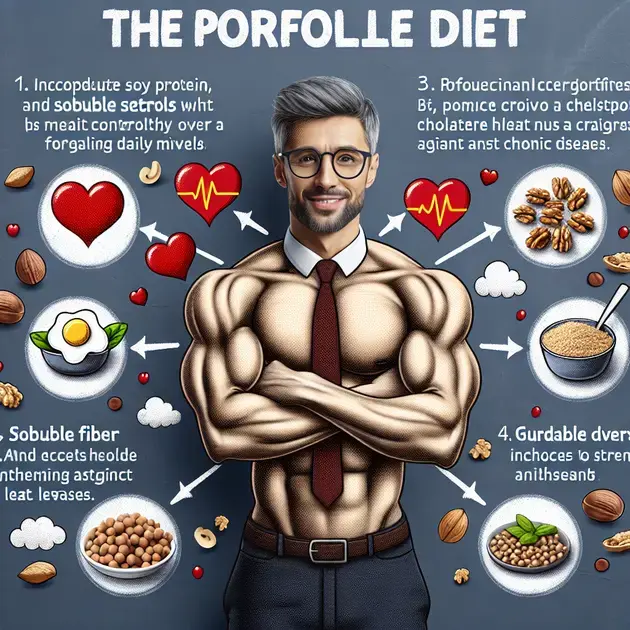

7 benefits of the Portfolio diet including cholesterol and blood sugar control

The Portfolio Diet: 7 Benefits including Cholesterol and Blood Sugar Control

The Portfolio Diet focuses on including soy protein, nuts, soluble fiber, and plant sterols in daily meals. This specially designed diet not only aims to lower cholesterol levels but also offers several other health benefits. By following the Portfolio Diet, you can promote better heart health, reduce the risk of chronic diseases, and improve overall well-being.

1. Lower Cholesterol Levels

One of the key advantages of the Portfolio Diet is its positive impact on cholesterol levels. The inclusion of soy protein, such as tofu and soy milk, has been proven to lower LDL (“bad”) cholesterol levels. Nuts, known for their heart-healthy fats, also play a significant role in reducing cholesterol and improving heart health.

2. Blood Sugar Control

Moreover, the soluble fiber found in this diet aids in controlling blood sugar levels. Foods like oats, barley, and legumes provide sustained energy while preventing sudden spikes in blood glucose levels. This makes the Portfolio Diet beneficial for individuals with diabetes or those aiming to prevent it.

3. Weight Loss

Another noteworthy benefit is its ability to promote weight loss. The diet emphasizes the consumption of high-fiber, nutrient-dense foods, which help control hunger and reduce calorie intake. By incorporating these foods into your daily routine, you can effectively manage your weight and maintain a healthy body mass index.

4. Reduce Risk of Chronic Diseases

By following the Portfolio Diet, you also decrease the risk of developing chronic diseases. The combination of plant-based protein sources, nuts, and fiber-rich foods helps reduce inflammation, a common trigger for many chronic conditions. This diet can help protect against conditions such as heart disease, stroke, and certain types of cancer.

5. Digestive Health

Additionally, the Portfolio Diet supports digestive health. The high fiber content aids in maintaining regular bowel movements and preventing constipation. The diet also encourages the consumption of whole grains, fruits, and vegetables, which are rich in essential vitamins, minerals, and antioxidants necessary for maintaining a healthy digestive system.

6. Lower Blood Pressure

Furthermore, the Portfolio Diet may help improve blood pressure levels. The inclusion of plant sterols, found in foods like vegetable oils and margarine, can lower blood pressure, reducing the risk of hypertension and associated cardiovascular diseases.

7. Overall Well-being

Lastly, this diet promotes overall well-being by encouraging the intake of a wide variety of nutrient-dense foods. By adopting the Portfolio Diet, you ensure that your body receives a range of essential nutrients, helping improve energy levels, strengthen the immune system, and support optimal bodily functions.

In conclusion, the Portfolio Diet offers several benefits beyond cholesterol control. By including soy protein, nuts, soluble fiber, and plant sterols in your diet, you can improve heart health, control blood sugar levels, aid in weight loss, reduce the risk of chronic diseases, promote digestive health, improve blood pressure, and enhance overall well-being. Consider incorporating the principles of the Portfolio Diet into your daily routine for a healthier, more vibrant life.

Cardamom is not just an aromatic spice: Know 6 weight loss benefits


Cardamom: Unlocking Its Surprising Weight Loss Benefits

Cardamom: Unlocking Its Surprising Weight Loss Benefits

Introduction:

Who would have thought that a seemingly ordinary spice like cardamom could hold the potential to revolutionize
your weight loss journey? With its versatility in various forms – be it enjoyed as a soothing tea or simply
chewed as pods – cardamom offers numerous benefits, with weight loss being one of its major advantages. In this
article, we will delve into the incredible weight loss benefits of cardamom, shedding light on how this aromatic
spice can assist you in achieving your fitness goals.

1. Boosts Metabolism:

One of the key reasons why cardamom aids in weight loss is its ability to improve metabolism. By consuming
cardamom regularly, you can rev up your metabolic rate, enabling your body to burn calories more efficiently. As
a result, the excess fat stored in your body is gradually reduced, leading to sustainable weight loss.

2. Enhances Digestion:

Another significant benefit of cardamom is its positive impact on digestion. Poor digestion can often hinder
weight loss efforts, but cardamom works wonders in this aspect. It helps stimulate the production of digestive
enzymes, facilitating better digestion and absorption of nutrients. A healthy digestive system not only aids in
weight loss but also improves overall well-being.

3. Controls Appetite:

Excessive snacking and overindulgence in unhealthy foods can sabotage your weight loss goals. However, cardamom
acts as a natural appetite suppressant, making you feel fuller for longer periods. By curbing unnecessary
cravings and reducing hunger pangs, cardamom assists in maintaining portion control and ultimately aiding in
weight management.

4. Regulates Blood Sugar Levels:

Maintaining stable blood sugar levels is crucial for weight management. Cardamom has been found to possess
properties that help regulate blood sugar levels. By preventing sudden spikes and dips in glucose levels, this
spice contributes to improved insulin sensitivity and reduced fat storage.

5. Detoxifies the Body:

Cardamom contains powerful antioxidants that assist in eliminating toxins and harmful substances from the body.
By detoxifying your system, cardamom helps optimize organ function, including the liver and kidneys. When these
organs are functioning at their best, the body can efficiently metabolize fat, facilitating weight loss.

6. Reduces Water Retention:

Often, excess water retention can lead to bloating and temporary weight gain. Thanks to its diuretic properties,
cardamom can aid in reducing water retention and bloating, promoting a leaner and more defined appearance.

Conclusion:

The journey towards weight loss may seem daunting at times, but incorporating cardamom into your daily routine
can make a world of difference. From boosting metabolism to curbing cravings and aiding digestion, this aromatic
spice offers a multitude of weight loss benefits. So, why not embrace the power of cardamom and unlock a
healthier, fitter version of yourself?Who would have imagined that a basic spice like cardamom could have such a
significant impact on your journey to lose weight? Whether you consume it as a comforting tea or simply chew on a
few pods, there are numerous benefits of cardamom, with weight loss being a notable advantage. This aromatic
spice not only aids in reducing…

Embrace the Early Morning Hustle: A Day in the Life of a Fitness Enthusiast Balancing Workouts, Work, and Winning at Life


A Day in the Life of a Fitness Enthusiast

The rhythm of early mornings pulses with a quiet intensity for those who rise before the sun, a dedication often echoed by fitness enthusiasts striving to balance the demands of daily life. Inspired by such commitment, this blog delves into the transformative power of a morning routine that kickstarts the day with cardio, wholesome meals, and a steadfast mindset geared towards success. Through personal anecdotes and practical tips, discover how setting intentions before dawn can shape not only the body but also the heart and mind, fueling a journey towards holistic well-being and life’s myriad victories.

Embracing the Early Morning Routine

Embracing an early morning routine can be a game changer for those seeking a balanced and productive life. When the world is still quiet, there’s a sense of peace and focus that can be harnessed for personal growth. For fitness enthusiasts, this time is sacred. It becomes a canvas where one can paint their path to success, starting with a workout that invigorates the body and refreshes the mind.

The Benefits of Early Morning Workouts

Beginning the day before dawn may seem daunting at first, but as with any habit, it becomes second nature over time. The benefits of an early morning workout are manifold. For one, it ensures that exercise is checked off the list before the day’s responsibilities have a chance to intrude. This proactive approach eliminates the possibility of skipping exercise due to a hectic schedule or dwindling evening energy. It sets a positive tone for the day, boosting mood and energy levels through the release of endorphins.

The Power of Multitasking

For those who ride the fitness roller coaster, mornings are not just a time to exercise but an opportunity to reflect and plan. Whether it’s scribbling down thoughts or mentally organizing tasks, this tranquil period can increase productivity throughout the day. Multitasking during workouts, like brainstorming ideas or listening to motivational podcasts, can also turn a cardio session into a creative think tank, making efficient use of time that might otherwise feel monotonous.

Nutritional Balance Post-Workout

Fueling the body with a nutritious breakfast post-workout is another vital step. A balanced meal replenishes energy levels and kicks the metabolism into gear. Choosing wholesome ingredients not only satisfies hunger but also aids in muscle recovery and preparation for future workouts. The mindful act of preparing and enjoying breakfast can further enhance the morning’s sense of achievement.

Commitment to Consistency

The commitment to consistency is crucial. Whether it’s the snowy grip of winter or the deep quiet of dawn, sticking to a routine builds resilience and discipline. It’s these core values that cultivate long-term success, both in fitness and broader life endeavors. When the day starts with self-care and a focus on personal goals, it naturally translates into a more purposeful and directed day.

Integrating Healthful Hobbies

Moreover, integrating healthful hobbies alongside exercise, such as cooking low-calorie meals or enjoying caffeine-free drinks, promotes a lifestyle that supports fitness goals. Leaning into community support by sharing journey insights through platforms like blogs or videos can also foster motivation and accountability. Engaging with others who have similar aspirations builds a network of encouragement and shared knowledge.

The Importance of Relaxation

On the social side, balancing life with activities like gaming or watching movies provides the necessary downtime to recharge. These moments of relaxation are essential for mental health, offering a contrast to the disciplined morning routine. They provide an avenue for connection and joy, ensuring that the fitness journey remains sustainable and enjoyable.

Structured Plans and Meal Preparation

For those aiming to shed pounds or tone their physiques, incorporating structured workout plans and well-thought-out meal preparation is key. Documenting progress through various means, such as weight loss ebooks or personal logs, offers clarity and motivation. It’s a roadmap not just for reaching an aesthetic goal, but more importantly for achieving health and vitality.

The Holistic Fitness Journey

Ultimately, the journey to fitness is deeply personal and unique to each individual. There’s no one-size-fits-all approach, but rather a collection of practices and mindset shifts that contribute to a healthier lifestyle. As the day closes, reflecting on the achievements, whether small or significant, reinforces the progress made and the promise of a new day filled with endless potential.

Conclusion: Embracing Change

Culminating a day that’s begun with intention and mindfulness, one ends on a note of gratitude and readiness for rest. This cyclical process of planning, executing, and reflecting is the bedrock of success in any endeavor.

The mantra to carry forward is simple yet powerful: physical transformation is a reflection of mental and emotional strength. Embracing change with resilience and an open heart leads to victories that are felt far beyond the scale. This holistic approach is not just about transforming the body; it’s about transforming life, one morning at a time.


Can a Custom Knee Brace Really Save You from Re-Tearing Your ACL? Here’s What You Need to Know!


Blog Article

For athletes recovering from an ACL injury, the pathway to returning to peak performance is often fraught with concerns about re-injury. One common question that arises is whether a knee brace can significantly reduce or even eliminate the risk of re-tearing the ACL. In this blog, we’ll delve into the insights shared by Dr. David Guy, a triple board-certified orthopedic surgeon and Sports Medicine specialist, who explains how custom ACL braces might play a crucial role in safeguarding against further injury. Drawing from his experience in anti-aging and regenerative medicine, Dr. Guy sheds light on the considerations athletes must take into account when incorporating a knee brace into their recovery and return-to-play strategies. Understanding the impact of these custom braces is vital for anyone eager to resume their athletic pursuits with confidence and safety.

The Role of Custom Knee Braces

When athletes suffer an ACL injury, one of the primary concerns is not only recovering but also ensuring that they can return to their sport without fear of re-injury. Anterior Cruciate Ligament (ACL) injuries are common, especially among athletes involved in high-impact sports, and while ACL reconstruction surgery effectively repairs the damage, the fear of reinjury lingers. This is where the role of knee braces comes into play.

Custom knee braces, as opposed to the generic versions available at local stores, are specially crafted to fit an individual’s unique anatomy. Renowned companies like Donjoy and Breg specialize in these custom braces, which are designed after taking precise measurements of the knee. This tailored fit helps in applying the right pressure at the correct points, reducing the likelihood of adverse movements that could jeopardize a recovering ACL.

Why Opt for a Custom Knee Brace?

  • Personalized Fit: Custom knee braces are fabricated considering the individual’s knee alignment and anatomy. This ensures that the support is both comfortable and effective.
  • Specific Protection: The braces are designed to protect the knee against the specific movements that most commonly result in ACL injuries.
  • Enhanced Stability: By holding the knee joint in optimal position during movement, custom braces can provide additional stability, which is crucial for athletes aiming to return to high-impact sports.
  • Confidence Booster: Knowing that the knee is supported by a brace can provide the psychological assurance athletes need to push their limits without fear.

However, it is crucial to understand that while custom knee braces can significantly reduce the risk of re-injury, they do not entirely eradicate the possibility of another ACL tear. Their ability to diminish risk depends largely on the nature of the original injury and the circumstances surrounding it.

Considerations for Athletes

Despite the advantages of custom knee braces, athletes need to remember that these devices are part of a broader strategy for recovery and prevention. Here are some considerations:

  • Rehabilitation Programs: Completing a comprehensive rehabilitation program following ACL surgery is critical. Knee braces should complement physical therapy, not replace it.
  • Strength and Conditioning: Building muscular strength around the knee joint is essential to provide natural support and reduce dependency on braces over time.
  • Proper Technique: Regardless of the protection offered by the brace, using proper techniques during sports activities is paramount to prevent injuries.
  • Regular Check-ups: Continuous evaluation by a sports medicine specialist or orthopedic surgeon ensures that the brace is still effective and the knee is healing correctly.

In many high-contact sports, players such as NFL quarterbacks and offensive linemen wear these custom braces not only post-injury but also as a preventive measure. This practice highlights the confidence these braces inspire in preventing not just ACL injuries but other knee-related injuries like MCL tears.

The Limitations of Off-the-Shelf Braces

When considering knee braces, it’s crucial to differentiate between custom models and off-the-shelf versions. The latter are easily accessible and inexpensive, but their universal design might not provide the specific protection and support needed for a recovering ACL. They might be suitable for minor, less severe knee issues, but for serious athletes recovering from substantial injuries, custom solutions are advisable.

Exploring Non-Surgical Options

Beyond braces, there are other avenues to explore for knee support and recovery, especially for those seeking non-surgical options. Dr. Guy’s expertise in regenerative medicine provides alternative paths such as:

  • Regenerative Injections: Techniques like platelet-rich plasma (PRP) injections can potentially boost healing by using the body’s natural growth factors.
  • Anti-Inflammatory Treatments: Managing inflammation effectively can promote better healing and reduce the risk of aggravating the knee.
  • Lifestyle Adjustments: Incorporating practices that reduce joint stress, such as weight management and low-impact exercises, can be beneficial.

Ultimately, the decision to use a knee brace should be made in consultation with a medical professional, taking into account the individual’s specific circumstances and recovery progress. The aim is not just to protect the knee physically but also to restore the athlete’s confidence in returning to their sport, ready to perform at their best while minimizing the risk of injury. With a balanced approach combining custom braces, rehabilitation, and possibly regenerative medicine, athletes can look forward to resuming their activities with a greater sense of security.

Custom knee braces can significantly reduce the risk of re-tearing the ACL by providing tailored support, but they don’t eliminate the risk entirely.


Rise, Shine, and Grind: A Day in My Life Juggling Fitness, Work, and Wellness


Blog Post

Embarking on a fitness journey requires dedication, discipline, and a well-structured routine, especially when you’re trying to balance it with the demands of a busy work life. Follow me as I walk you through a typical day in my life, starting bright and early at 4:30 AM, as I strive to make every moment count. From morning cardio sessions and wholesome breakfast choices to juggling work responsibilities and evening workouts, I’ll show you how I maintain my commitment to health and wellness. Join me as I share not just my routine, but the mindset that fuels my persistence and the small joys that make each day rewarding. Whether you’re on your own fitness path or seeking motivation, I hope this glimpse into my world inspires you to craft a lifestyle that aligns with your goals. Let’s dive in, shall we?

Starting the Day Early

My day begins in the pre-dawn quiet, at 4:30 AM, long before the world around me stirs to life. This early start is not merely about seizing the day but gearing up for a productive morning routine that sets the tone for the rest of my day. The first task on my agenda is cardio—a vital component of my fitness regime. By prioritizing it early, I not only ensure it gets done but also start my day with a surge of endorphins.

There is something profoundly empowering about finishing a vigorous cardiovascular session before most people have even hit the snooze button on their alarms. On weekdays, you’ll find me on the recumbent bike, pedaling my way through 50 minutes of heart-pumping exercise. The winter morning darkness and chilly air make indoor cardio a practical choice. Listening to music or working on creative ideas during my bike rides helps to make the time fly, transforming what could be a monotonous task into a creative think-tank session.

Fueling the Body and Preparing for the Day

After cardio, it’s time to refuel. Breakfast is not just a meal—it’s an essential part of the day that fuels my body and gets it ready for the hours ahead. I make it a point to enjoy a wholesome breakfast and savor this time that’s solely dedicated to nourishing my body.

Once breakfast is out of the way and dishes are cleared, it’s time to shift gears and get ready for work. Morning routines are crucial—they bring structure and stability to my day. From my eyeshadow selection to packing my lunch, these are small rituals that provide rhythm and predictability.

Evening Routine: Workouts and Relaxation

The workday is a blend of focus and flow, but I’m always eager to return home, where my evening routine awaits. Exercise plays a second role in my day, with a back and bicep workout lined up. Exercising after work might sound grueling, but it’s surprisingly refreshing. It’s an opportunity to channel the day’s leftover stress into something positive and physically rewarding.

I relish the feeling of coming home, slipping into my workout gear, and prepping a low-calorie, high-protein pizza. This meal symbolizes not just sustenance but a celebration of the dedication I’ve shown throughout my fitness journey. Crafting this pizza, with its careful selection of toppings and nutritious edge, is both a form of self-expression and a testament to my commitment to healthy eating.

The evening workout session is split into targeted exercises for back and bicep muscles. With focused determination, I move through each set—from rope cable pullovers to incline dumbbell curls—each movement a statement of my resolve. I’m meticulous about my form and intensity, relying on the motivational boost from morning tunes and the drive from my overarching fitness goals to push through fatigue.

End of the Day: Unwinding and Self-Care

After workouts, it’s time to wind down. This part of the day is as important as the morning rituals. It’s a chance to relax, often through video games that provide a mental escape and a bit of fun alongside Sassy, my partner in this journey. These moments are cherished, providing balance to the structured discipline of the day’s earlier hours.

Finally, I let the day melt away as I settle down to watch a movie, drifting into the comfort of rest. Watching a movie might span several nights, given the quiet allure of sleep that beckons us after just a few minutes of screen time. This slow unwinding signals the end of a day well spent.

Conclusion: Striving for Balance and Wellness

In closing, my daily routine is meticulously planned yet flexible enough to handle life’s twists and turns. It’s founded on the principle of consistency and the understanding that true fitness success isn’t merely about physical transformation, but also about a mindful, heartfelt journey to better oneself. Each day of dedication accumulates, not just to reach a goal, but to cultivate a lifestyle that thrives on wellness and an unyielding can-do spirit.

So, here’s to early risers, to fitness enthusiasts, to those on a similar path of self-betterment. Remember, every step counts, and every day is a chance to push one step further toward the best version of yourself.

Balancing a busy work life with a structured fitness routine, this blog follows my day from 4:30 AM cardio sessions to evening workouts and healthy meals.


Can a Custom Knee Brace Help Reduce Re-Injury Risk After ACL Surgery? Insights from Dr. David Guy


Blog Article

Recovering from an ACL injury is a significant hurdle for athletes, and the journey back to peak performance is often fraught with concerns about re-injury. As athletes and enthusiasts alike seek ways to safeguard their knees after such a transformative procedure, the role of custom knee braces comes into sharp focus. Dr. David Guy, an esteemed orthopedic surgeon and sports medicine specialist, delves into this pressing issue in one of his insightful “Ask the Doctor” video series. With his extensive expertise in both regenerative medicine and sports injury prevention, Dr. Guy explores whether these custom-fit braces can indeed offer a buffer against further ACL damage. Join us as we unravel his expert insights and examine the potential benefits of these protective aids, equipping you with the knowledge to make informed decisions about your post-surgery journey.

The Role of Custom Knee Braces in ACL Injury Prevention

The anterior cruciate ligament (ACL) is a critical component of knee stability, and an injury to it can be devastating for athletes. Rehabilitation after ACL reconstruction surgery is an arduous process, and athletes often face looming fears of re-injury once they return to their sport. Knee braces have been introduced as potential tools to mitigate this risk, particularly custom ACL braces designed specifically for the individual’s anatomical needs and alignment.

Custom knee braces, such as those made by companies like Donjoy and Breg, are crafted based on meticulous measurements of the patient’s knee. This personalized approach ensures that the brace provides optimal support by aligning the forces on the knee with the individual’s unique anatomy. Such braces are particularly useful during athletic activities where the knee might be subjected to excessive stress. This targeted support could potentially help in reducing the risk of re-injury, although it is not an infallible safeguard.

Key Benefits of Custom Knee Braces

  • Targeted Support: Custom braces provide support tailored to the user’s specific knee anatomy, addressing individual mechanical needs.
  • Enhanced Stability: By providing the necessary stability, these braces can help athletes feel more confident during high-demand sports activities.
  • Reduced Risk: While not eliminating the risk entirely, they can decrease the likelihood of re-injury by offering additional external support to the knee structure.

Interestingly, custom ACL braces are not only used post-injury but are also commonly seen in preventive scenarios, such as in the NFL. Offensive linemen often wear these braces despite not having suffered an ACL tear. The braces serve a preventive function, providing an extra layer of protection against potential knee injuries, including medial collateral ligament (MCL) injuries.

However, it is crucial to differentiate between custom-made braces and off-the-shelf varieties available at drugstores or sporting goods shops. The latter category lacks the bespoke adjustments necessary to truly benefit the knee post-ACL reconstruction. Generic braces are unlikely to provide the specific support needed for such a nuanced condition, and athletes should not rely on them to prevent re-injury.

A Comprehensive Strategy for ACL Recovery

Dr. Guy emphasizes that while custom braces can contribute to a lowered risk of injury, they do not eliminate it entirely. They are an additional tool in an athlete’s arsenal, complementing other preventive strategies such as physical therapy and proper conditioning. Athletes should continuously work on strengthening exercises tailored to the lower extremities and maintain a steady focus on improving balance and neuromuscular control.

For those seeking alternatives to surgical interventions or corticosteroid shots, Dr. Guy encourages exploring regenerative medicine options. These innovative approaches may offer viable solutions for enhancing recovery and preventing injuries without invasive procedures. As an expert in regenerative medicine, Dr. Guy offers insights into these possibilities, aiming to broaden patients’ options for recovery and performance enhancement.

Moreover, athletes are encouraged to stay informed and actively participate in discussions about their health and recovery options. Engaging with professionals, like Dr. Guy, through consultations or educational content, can offer invaluable perspectives and potential strategies that align with an individual’s unique needs and circumstances.

Community Engagement and Shared Experiences

For athletes and individuals with orthopedic injuries, sharing personal experiences and queries can cultivate a supportive community. Dr. Guy welcomes audiences to share their stories and questions in the comments of his educational videos. Although direct medical advice cannot be provided in this format, these interactions foster a dialogue that may address widespread concerns in future educational content.

In summary, while custom knee braces offer promising support for athletes recovering from ACL surgery, they are just one piece of a comprehensive strategy to prevent re-injury. Athletes should invest in custom-fit solutions, engage in targeted physical rehabilitation exercises, and consider alternative treatment methods to enhance their recovery and performance. By staying informed and proactive, athletes can optimize their post-surgery journey, minimizing the risk of re-injury and maximizing their potential on the field.


Early Bird Fitness: A Day in the Life of the Leanest Version of Me


Blog Post


Morning Routine: Setting the Tone for Success

Mornings begin with a deliberate choice to embrace the day with open arms, starting with a nutritious breakfast that lays the foundation for the hours to come. Life is dynamic, and breakfast time isn’t just a moment to fuel the body but also a time to gather thoughts and set oneself up for the tasks ahead. The importance of not feeling rushed or stressed is underscored because sticking to a routine is deeply interlinked with one’s mindset.

With the breakfast dishes done, it’s time for the morning cardio session. At 5:40 a.m., cardio is prioritized to ensure it fits comfortably within the day without the interruptions or reluctance that might come after a long day at work. The recumbent bike is the morning’s cardio companion, particularly during the darker, colder months when outdoor activities are less feasible. There’s a certain peace in doing cardio while the world still sleeps, and with music or creative planning underway, the 50 minutes fly by.

Midday: Work and Nutrition

With cardio completed and the body energized, it’s time to transition smoothly into the day’s professional responsibilities. Confidence and empowerment soar when the day’s workout is already ticked off the list. Getting ready for work might seem mundane, but sharing even the small details, like eyeshadow choices, provides a sense of personal flair and confidence.

Lunch plans include meticulously prepared meals that align with dietary goals, such as high-protein options that support muscle retention while cutting body fat. Each meal and snack is a thoughtful component of a broader fitness strategy, ensuring sustenance without compromising the regimen that supports weight loss and muscle maintenance.

Evening: Culinary Delights and Strength Training

Returning home provides a chance to engage in a different kind of creativity by preparing delicious meals like a calorie-sensitive pizza. Using readily available, cost-effective ingredients without forfeiting taste or satisfaction is proof that healthy eating doesn’t have to be dull. The air fryer becomes a favorite kitchen tool, helping to keep meals crispy, tasty, and in line with nutritional goals.

After fueling the body with a wholesome dinner, it’s time to focus on strength training. The workout includes a set of back and bicep exercises designed to build muscle and strength without spending excessive time in the gym. The session consists of structured sets and repetitions, emphasizing the importance of both form and efficiency.

Nighttime Wind Down and Relaxation

With the day’s exertions behind, it’s time to enter the space of relaxation and connection. This might include unwinding with some laundry, playing video games, enjoying a leisurely drink, or watching a movie. The sense of accomplishment from a day well-spent blends with the joy of leisure time, creating a balanced lifestyle that is sustainable and enjoyable.

The nighttime routine is a testament to the joy found in balancing discipline with indulgence. Whether it’s sharing laughs over a favorite game or savoring a homemade treat, the end of the day holds a unique charm of its own.

Final Thoughts

Living a life with purpose involves planning, dedication, and a willingness to embrace each part of the day with gratitude. The journey to better health and wellness is not only a physical challenge but a mental one as well. It’s about engaging both heart and mindset, understanding that every step brings one closer to achieving personal goals and feeling accomplished. This narrative shows that with intention, discipline, and a touch of creativity, everyone can find joy in the path to becoming healthier, leaner, and more fulfilled.


Can a Custom Knee Brace Really Lower the Risk of Reinjuring Your ACL? Here’s What You Need to Know!


ACL Injury and Knee Braces

For athletes who have experienced the dreaded ACL injury, the road to recovery can often feel daunting, punctuated by countless physical therapy sessions and the looming question of whether they’ll be able to return to their sport without fear of reinjury. In the latest installment of my “Ask the Doctor” series, I delve into a question frequently asked by recovering athletes: Can a custom knee brace actually decrease the risk of reinjuring the ACL? As a triple board-certified orthopedic surgeon and sports medicine specialist, I explore the role of custom braces—often seen on NFL quarterbacks and offensive linemen—and unpack their potential benefits and limitations. Join me as I shed light on this topic, providing valuable insights based on my extensive experience in orthopedics and regenerative medicine, to help you make informed decisions on your journey back to peak performance.

Understanding Knee Braces

Knee braces have long been a topic of discussion for athletes recovering from ACL injuries, often seen as both a protective gear item and a symbol of one’s journey back to the field. But do they truly offer the promised shield against reinjury? Let’s break it down.

Firstly, when considering a knee brace post-ACL reconstruction surgery, it’s crucial to differentiate between custom braces and off-the-shelf varieties. Custom braces, tailored meticulously by companies like DonJoy and Breg, offer personalized support by aligning perfectly with an individual’s unique knee anatomy and alignment. This precision allows the brace to apply forces exactly where needed, which is instrumental in supporting the knee as it adapts to the demands of high-level sports.

Can a Custom Brace Eliminate Risk?

This leads us to the crucial question: Does wearing a custom knee brace eliminate the risk of reinjuring the ACL? The answer is nuanced.

Custom knee braces are designed to stabilize the knee, providing additional support during activities that place high demands on this critical joint. While they may not fully eradicate the risk of reinjury, they have been shown to decrease it under certain circumstances. This can be particularly beneficial for athletes who engage in contact sports or those that require sudden directional changes—situations where ACLs are particularly vulnerable.

Benefits of Custom Knee Braces:

  • Improved Stability: By securing the knee and managing the distribution of forces, braces can help prevent unnatural movements that may lead to reinjury.
  • Psychological Confidence: Athletes often find that the presence of a brace boosts their confidence, allowing them to perform without the constant worry of another injury.
  • Support During High-Risk Activities: Specific sports, such as football and skiing, inherently carry higher risks of ACL injuries. Custom braces provide added support in these settings.

Limitations:

  • Non-Eliminative: Braces do not make you invincible. They reduce, but do not eliminate, the risk of reinjury.
  • Not A Substitute for Rehab: It’s essential not to rely solely on a brace. Continued rehabilitation and building leg muscle strength are critical.
  • Potential False Sense of Security: Athletes might push their limits, underestimating the injury risk because they feel safeguarded by the brace.

One should also acknowledge that off-the-shelf braces, which are more accessible, tend not to offer the same level of protection as custom-made ones. These generic options might provide some basic level of support and compression but lack the precise tailoring necessary for optimal protection against ACL stresses in sports settings.

Customized Braces in Action

In professional sports, it is common to witness athletes, particularly those in high-impact sports, wearing these custom braces. Take NFL players, for instance; you might see quarterbacks wearing them as they return to play post-injury. The braces they wear are designed to be robust and adaptive, ideal for withstanding the rigors of high-contact sports while offering reassurance and support.

Beyond Braces

For those hesitant about surgery or those exploring other options post-ACL surgery, there are non-invasive therapies and regenerative medicine approaches that complement the use of knee braces. Techniques such as platelet-rich plasma (PRP) injections or other regenerative treatments focus on promoting natural healing and can be discussed with your healthcare provider as part of a holistic recovery plan.

As with any medical device or treatment, the decision to use a knee brace should be made collaboratively with healthcare professionals, considering the specific context of the injury, the individual’s anatomy, and the demands of their sport.

Ultimately, while a custom knee brace can be a valuable tool in an athlete’s recovery arsenal, it should be viewed as part of a broader strategy. This strategy might include rigorous physical therapy, strength-building exercises, and a gradual return to sports to maximize the chances of a successful and sustained comeback.

For athletes seeking guidance, consulting with orthopedic specialists can provide tailored insights and recommendations, ensuring you have the best possible plan in place as you work towards getting back into the game. Remember, the journey to recovery is just as important as the destination. The right support, both physical and professional, can make all the difference.


How I Built My Morning Fitness Routine to Reach My Leanest Ever!

“`html

Every morning, long before the sun rises, I embark on a journey that sets the tone for my entire day. It’s not just about the crack of dawn cardio session or the carefully curated breakfasts, but about cultivating a routine that champions both physical and mental well-being. In this blog, I’ll take you through my day, from the doughnut print pajamas to the last rep at the gym, sharing the hacks and habits that have propelled me to the best shape of my life. Discover how I turned early mornings into a cornerstone of success, navigating the challenges of a busy workday and the relentless pursuit of fitness goals. Whether it’s crafting a low-calorie pizza or sharing playlists that energize my cardio sessions, I hope my experiences inspire you to find your rhythm and embrace the power of routine.

Waking Up with Purpose

Waking up at 4:30 in the morning is no small feat, and setting such an early alarm is a testament to my commitment to maintaining a structured routine. Starting the day with cardio is my way of kicking things off on a positive note, and it is easier when you give yourself ample time to wake up, stretch, and mentally prepare. The idea is to not feel rushed but rather to create a serene morning environment that encourages consistency.

Why the Early Bird Gets the Cardio Done

Getting my cardio done first thing in the morning serves several purposes. Firstly, it ensures that I don’t skip this crucial part of my routine due to the tiredness that inevitably creeps in after a long workday. Exercising early also provides a psychological boost; with one key task completed, I’m already feeling accomplished by the time most people are still in bed. Additionally, working out in the morning has been shown to enhance mood, reduce stress, and increase levels of energy throughout the day.

The winter months add an extra challenge with limited daylight and chilly temperatures. Hence, my recumbent bike becomes a staple on weekdays, offering a reliable indoor cardio solution. On weekends, when time and weather permit, I relish the opportunity to walk outside, which provides a change of scenery and fresh air.

The Importance of a Nutritious Breakfast

A hearty breakfast is the fuel I need to power through a busy day. As soon as my cardio is complete, it’s straight to the kitchen to prepare a meal that’s both satisfying and balanced. Having a nutritious meal in the morning helps to stabilize blood sugar levels, keeps hunger at bay, and supports muscle recovery after exercise. A typical breakfast might include a mix of protein, healthy fats, and carbohydrates, setting me up for sustained energy levels.

Planning and Productivity on the Move

Cardio isn’t just about physical effort. It’s also an opportunity to multitask. Engaging in creative thinking or planning upcoming projects during exercise can make the time fly by. It’s a chance to clear my mind and focus on personal goals, which can be more challenging amidst the demands of daily life.

Work, Routine, and a Low-Calorie Lunch

As the clock ticks closer to work, I prioritize getting ready and preparing a packed lunch. Convenience is key, so I opt for meals that are easy to pack and nutritious. My go-to is a low-calorie pizza made with Dempster’s Ancient Grains tortillas, topped with garlic and herb pasta sauce, smoked black forest ham, and a slice of cheddar cheese. These ingredients are not only tasty but also help maintain my calorie targets as I work towards cutting fat.

Evening Workouts and Maintaining Motivation

Despite early starts, the day is far from over when I return from the office. My evening routine revolves around strength training. Back and bicep workouts are staples in my regimen, and I continually adjust exercises and weights to suit my energy levels and goals.

Strength training is crucial for preserving muscle mass while losing fat and boosting metabolism. My approach involves a mix of cable pullovers, dumbbell rows, and landmine rows for the back, and various curls for the biceps. I aim for moderate sets and reps, always listening to my body to ensure I’m challenging myself without risking injury.

Innovation in Nutrition: Protein and Hydration

Recovery is as important as the workouts themselves. Here, protein plays an essential role. HLT subs protein, especially the s’mores flavor, addresses my cravings while keeping my protein intake high. Mixing it into yogurt or ice cream desserts is an easy way to create delicious, higher-protein meals.

Hydration is another cornerstone. I maintain a variety of drinks to stay refreshed and avoid caffeinated beverages in the evening for a sounder night’s sleep. Evening meals often include caffeine-free sodas like diet root beer or sparkling water.

Relaxation and Rest

Physical health isn’t just about diet and exercise—mental relaxation is equally important. After taking care of necessary chores like folding laundry, I unwind with video games, often teaming up with friends to play Call of Duty. It’s a chance to disconnect from the hustle-and-bustle of the day, providing a moment of escapism before bed.

Even as bedtime approaches, we enjoy unwinding with a movie, even if it’s just a few minutes before sleep overtakes us. This routine encapsulates the balance of discipline and reward.

The Road to Success: A Few Final Thoughts

This day-long journey from dawn to dusk isn’t simply about maintaining routine; it’s about crafting a lifestyle that aligns with personal goals and a commitment to overall well-being. It’s about embracing the small victories each day, whether it’s a new personal best in the gym or perfecting a healthy meal.

For anyone on a similar journey, remember that success isn’t just the number on the scale but in every choice made each day. Consistency, whether it’s in exercise, diet, or mindset, is key. With dedication and the right mindset, anything is achievable.

“`