
Remember to consult with a healthcare professional before making any significant dietary changes, particularly if you have any underlying health conditions. Nonetheless, by incorporating these natural colon cleanse drinks into your routine, you can contribute to better gut health and overall well-being.
Best rice bran oil: 5 top choices for healthy cooking

Why Choosing the Right Cooking Oil Matters
While we pay attention to the food we eat, it is equally important to consider the quality of the cooking oil we use. Not all cooking oils are created equal, as some may contain high levels of saturated and trans fats. It is crucial to make an informed decision when choosing the best cooking oil for our health.
The Health Benefits of Rice Bran Oil
One excellent option to consider is rice bran oil. Rice bran oil is extracted from the outer layer of the rice grain, known as the bran. It is considered one of the healthiest cooking oils due to its various health benefits.
First and foremost, rice bran oil is rich in monounsaturated fats, which are healthy fats that can help reduce bad cholesterol levels and lower the risk of heart disease. This makes it a great choice for those looking to improve their heart health.
Rice bran oil is also high in antioxidants such as vitamin E and gamma-oryzanol. Antioxidants help protect our cells from damage caused by free radicals and oxidative stress. They also have anti-inflammatory properties, which can help alleviate inflammation in the body.
Furthermore, rice bran oil has a high smoke point, making it suitable for various cooking methods such as frying, sautéing, and stir-frying. Its ability to withstand high temperatures without breaking down or producing harmful compounds makes it a safe and healthy option for cooking at high heat.
Choosing the Right Rice Bran Oil
When purchasing rice bran oil, it is essential to choose a high-quality brand that uses a cold-press extraction method. Cold-press extraction helps retain the oil’s natural nutrients and flavors, ensuring maximum health benefits and taste.
Conclusion
Paying attention to the quality of the cooking oil we use is just as important as the food we consume. Rice bran oil, with its numerous health benefits and versatility in cooking, is an excellent choice for those looking to prioritize their well-being. So, next time you’re in the kitchen, consider giving rice bran oil a try and enjoy healthy and delicious meals.
While we focus on the food we consume, do we consider the quality of the cooking oil we use? It is important to make an informed choice when selecting the best cooking oil, as they are not all created equal. Additionally, some cooking oils may contain high levels of saturated and trans fats that can be detrimental to our health.
My 4:30 AM Routine: How I Shed 130 Pounds and Stay Motivated Daily

Starting the day before the sun rises may seem daunting to some, but for me, it’s the secret to maintaining a balanced and fulfilling lifestyle. In this blog, I am going to take you through a typical day in my life, from my early morning cardio sessions to my evening wind-down routine. With a structured schedule that includes exercise, meal preparation, and moments of relaxation, I’ve managed to lose 130 pounds and keep it off for over nine years. Join me as I share practical tips and insights that might inspire you to create a routine that sets you up for success, both physically and mentally. Whether you’re curious about my favorite breakfast options or my go-to workout playlists, there’s something here for everyone looking to embrace a healthier lifestyle.
Early Morning Routine
My journey to maintaining a healthy and active lifestyle starts long before most people are awake. The alarm rings at 4:30 in the morning, and while it might be tempting to hit snooze, I know that this time is crucial for setting the tone for the rest of my day. Waking up early allows me not only to complete my cardio and have a nutritious breakfast but also to savor moments of peace before the hustle begins.
I’ve learned from experience that if I leave my workout for later in the day, the likelihood of skipping it increases manifold. So, I importantly prioritize my cardio first thing during the week. Using my recumbent bike indoors ensures that even when winter makes outdoor walks impossible, I still get my heart pumping. Fifty minutes of cycling helps clear my mind and gives me a sense of accomplishment, which fuels my day ahead.
Preparing for Work
Having finished cardio, I transition seamlessly into preparing for work. An early morning meal is essential, so I make sure to have a nutritious breakfast that powers me through my day. The rituals of getting dressed and ready while vibing to music or thinking about the creative projects I’m working on make this a special time I look forward to. On this particular Tuesday, experimenting with a new Milani eyeshadow palette adds a fun touch to the routine.
Packing a healthy lunch is equally vital. I refuse to leave my nutrition to chance, so I prepare meals that align with my fitness goals.
- Use Ancient Grains Tortillas: They’re a great base for creating low-calorie pizzas.
- Opt for Pasta Sauce: It’s a savvy substitute for pizza sauce and cuts down on expenses.
- Slice Smart: Using meat scissors to cut toppings like ham into fun shapes adds a playful aesthetic.
Evening Routine and Workout
After a day fueled by a productive morning, it’s time to head home and switch gears for my evening routine. Two things keep me excited: creating a delicious, healthy pizza and powering through a vigorous back and bicep workout. Physical transformations have been a huge part of my journey. Losing 130 pounds has taught me resilience and discipline, qualities that I carry into every area of life.
Crafting my low-cal pizza is an evening ritual I love. With the Dempster Ancient Grains tortilla as a base, I layer on toppings like the Great Value garlic and herb pasta sauce, and slices of cheddar cheese, paired with baby carrots. Air frying gives it a perfect crispy finish and makes meal prep incredibly easy.
Evening Workout Routine:
- Rope Cable Pullovers (2 sets of 10 reps): This exercise warms up the back and preps it for more intense activity.
- Dumbbell Rows (30 lbs, 2 sets of 8 reps): Engaging the whole back, these rows are a staple.
- Landmine Rows (45 lbs, 10-12 reps, 2 sets): A compound move that boosts strength.
- Incline Dumbbell Curls (15 lbs, failing at 6 reps, 2 sets): Targeting the biceps, incline curls are designed to maximize muscle activation.
- Dumbbell Curls Against the Wall (15 lbs, 8-10 reps, 2 sets): These curls keep me honest with form.
- Super Set Curls (15 lbs, 6-10 reps): Paired with one-arm dumbbell curls, pushing to failure increases muscle endurance.
Relaxation and Reflection
As the day winds down, it’s time to relax and reflect. I find joy in simple moments, like sipping on a caffeine-free pop or playing video games with my partner, which help me unwind. These moments are key in balancing the structured routine I maintain during the day.
Before bed, playing Bear and Breakfast lets me indulge in a bit of whimsy. And of course, no day is complete without a bit of shared laughter and strategy in Call of Duty. Falling asleep while watching a movie with my partner rounds off the day on a comforting note.
Final Thoughts
This routine goes beyond physical exercise and mindful eating. It’s about creating a lifestyle that’s sustainable, fulfilling, and joyful. For anyone embarking on their journey of transformation, it’s vital to remember that it’s not just about the physical changes. It’s about the strength you build in your heart and mindset, too. Remember, persistence and self-compassion are your best allies in this journey.
Thank you for sharing a day in my life; I hope you found some inspiration to shape your own path.
When Is It Time for Shoulder Surgery? Understanding Recurrent Instability in Young Athletes

As the field of orthopedic sports medicine evolves, so does our understanding of shoulder dislocations and their impact on young athletes. Once upon a time, the prevailing notion was that rest and rehabilitation were sufficient for a dislocated shoulder to heal. However, experience and research have shown that many athletes who experience a dislocation are likely to face recurrent instability, potentially leading to the need for surgical intervention. This blog delves into the crucial question of when it’s appropriate to consider surgery for shoulder dislocations, especially in athletes under 25. With insights from Dr. David Guyer, an orthopedic surgeon and sports medicine specialist, we’ll explore the factors that contribute to recurrent instability and why early intervention might be necessary to prevent long-term damage and ensure peak athletic performance. Join us as we navigate the considerations and strategies for managing shoulder injuries in the young athletic population.
Understanding Shoulder Dislocations
The dynamics of shoulder injuries, particularly dislocations, have undergone significant scrutiny in sports medicine, leading to evolved protocols for management. In the past, the common approach was to stabilize the shoulder with a brace or sling post-dislocation, followed by rehabilitation. This method was considered adequate for recovery; however, clinical evidence has shifted this perception significantly. The realization that a large percentage of young athletes experience recurrent instability has brought surgical intervention into the spotlight.
Recurrent Instability in Young Athletes
Recurrent instability is particularly prevalent among younger athletes, specifically those around 18 years or younger, although this can extend up to the early 20s. Studies illustrate alarming percentages—60% to 80% chance of experiencing subsequent dislocations. This high probability brings with it the risk of additional damage each time the shoulder is dislocated. Repeated dislocations can further harm the shoulder’s articular cartilage and bone, setting the stage for long-term complications such as chronic pain, arthritis, or functional impairment.
Aggressive Management Strategies
Given these risks, orthopedic sports medicine specialists often adopt a more aggressive approach when managing shoulder dislocations in young athletes. This could mean recommending surgical intervention after just one or two dislocations, especially if the athlete has a higher chance of recurrent instability. The objective is to minimize further damage to the shoulder joint and preserve the athlete’s ability to perform at their highest level.
Surgical Techniques and Their Advancements
Surgical techniques for treating shoulder instability have advanced significantly. Arthroscopic procedures have become the norm, allowing for less invasive interventions with quicker recovery times. These surgeries focus on repairing the damaged structures of the shoulder, such as the labrum, and tightening the joint capsule. This is achieved using stitches and anchors, which secure the labrum back to the glenoid, offering improved stability and reducing the likelihood of future dislocations.
Factors Influencing the Decision for Surgery
Deciding on surgery is not solely dependent on the number of dislocations. Instead, it involves a comprehensive understanding of each athlete’s circumstances, including:
- Age: Younger athletes are more prone to recurrent instability.
- Activity Level: The demands of the sport and the athlete’s position can influence the decision.
- Anatomical Considerations: Individual differences in anatomy may impact shoulder stability.
- History of Injuries: Prior injuries or surgeries can affect the decision-making process.
Exploring Non-Surgical Options
For those considering non-surgical options, it’s vital to understand that while rest, physical therapy, and strengthening exercises can help in some cases, they may not provide the long-term stability needed for high-impact sports. Moreover, alternative treatments like cortisone injections offer temporary relief but do not address the root cause of instability.
The Importance of Specialist Consultation
Dr. Guyer emphasizes the importance of consulting with a specialist to explore all available treatment options, both surgical and non-surgical. Each athlete’s case is unique, and a tailored approach is crucial for optimal outcomes. Engaging in an honest dialogue with a healthcare provider about goals, expectations, and potential risks is essential for making an informed decision.
Conclusion
The stakes are high when it comes to managing shoulder dislocations in young athletes. Balancing the risks of surgery against the potential for recurrent injuries is a delicate task that requires expertise and careful assessment. Early intervention through surgery can sometimes be the best strategy for preserving shoulder integrity and longevity. It can ensure that athletes not only return to their sport but do so with confidence in their shoulder’s stability.
Ultimately, the goal is to enable athletes to feel, look, and perform at their best, minimizing the risk of further injury and maximizing their potential for successful careers in sports. Understanding when surgery becomes necessary is a fundamental part of achieving this goal, and it underscores the importance of modern orthopedic approaches in sports medicine.
How I Conquer My Day: Early Mornings, Lean Recipes, and Staying Motivated

“`html
There’s something magical about waking up before the world stirs, especially when your alarm rings at 4:30 AM. For many, this hour is shrouded in the darkness of sleep, but for me, it’s the beginning of a meticulously curated day. As the early morning chill greets me, I lace up my sneakers, ready to jump-start my routine with an invigorating session of cardio—an essential cornerstone to my balanced lifestyle. From there, the day unfolds in a thoughtful sequence: a nourishing breakfast, productive work hours, and ending with a revitalizing back and bicep workout. My journey from shedding 130 lbs to maintaining a lean physique has been filled with insights, practical tips, and an unwavering focus on heart and mindset. Join me as I share my strategies for success, from whipping up deliciously low-calorie pizzas to squeezing in every ounce of motivation through carefully crafted routines. Welcome to a day in the life of relentless determination and self-discovery.
The Importance of Early Cardio
Starting the day early sets the tone for everything that follows. By waking up at 4:30 AM, I create a generous buffer against the rush that often accompanies weekday mornings. This start not only provides me with the calm I crave but also ensures that I prioritize what matters most: getting my cardio in before the day takes over.
For many people, the idea of doing cardio before dawn seems daunting, but I’ve found it indispensable. Early workouts are my insurance policy against the fatigue and excuses that can build throughout a demanding day. If I waited until evening, I’d likely skip it altogether. By starting with a physical push, my energy levels rise, and I feel more equipped to handle whatever the day throws my way.
My morning routine involves 50 minutes on the recumbent bike, six times a week. It’s an indoor choice dictated by the dark winter mornings, but it’s effective and lends itself to multitasking. To make this time fly by, I often listen to music or brainstorm ideas for upcoming projects.
Breakfast: Fuel for the Day
After cardio, breakfast follows. This meal is not just about satisfying my hunger; it’s about fueling my body for the day ahead. Choosing nourishing foods means I start with a clear head and the needed nutrients to stay energized.
With my breakfast complete and dishes washed, I’m ready to take on the workday. Having prepped ahead, my meals are a no-fuss affair, allowing me to focus on being productive.
A Midday Boost with Creativity
Work is a time for focus, but I also make sure to weave in moments of creativity and personal passion. Whether it’s new content ideas or personal projects, having these outlets during breaks keeps me inspired and renewed.
Discovering Delicious, Lean Meals
After work, I channel my culinary creativity into preparing a wholesome meal. My latest favorite is a low-calorie pizza crafted from simple ingredients. Here’s the quick recipe:
- Tortilla Base: Choose a Dempster Ancient Grains tortilla for a nutritious, fiber-rich crust.
- Sauce: Two tablespoons of a cost-effective garlic and herb pasta sauce spread evenly over the tortilla.
- Protein: Slices of lean Costco Kirkland ham, diced into bite-sized pieces.
- Cheese: A single slice of Great Value medium cheddar, torn into strips and scattered over the top.
Cooking this in the air fryer at 390°F for about five minutes yields a crispy, satisfying meal. This pizza, paired with a side of baby carrots, offers a balanced blend of proteins, carbohydrates, and fats.
The Protein Punch
To fight off cravings and provide my muscles with what they need after a strenuous workout, I turn to my go-to protein supplement: HTL Subs’ S’mores flavored protein powder. It effortlessly blends into ice creams, Greek yogurt bowls, and other treats, making high-protein eating both delicious and easy.
An Invigorating Evening Workout
Post-dinner, it’s time to hit the weight room. My evening sessions focus on specific muscle groups, alternating throughout the week to ensure balanced development. For a typical back and bicep day, here’s what my routine looks like:
- Back:
- Rope cable pullovers
- Dumbbell rows
- Landmine rows
- Biceps:
- Incline dumbbell curls
- Dumbbell curls against the wall
- Superset dumbbell curls
Each exercise is carefully planned to challenge my muscles while also building endurance and strength. Having lost 130 lbs and kept it off for over nine years, my workouts are a testament to consistent dedication and strategic practice.
Wind Down and Reflect
The end of the day is for winding down. Whether it’s putting away laundry or enjoying a relaxing video game session, these moments are crucial for mental recovery. Together with Sassy, my partner in health and life, we switch gears from productivity to relaxation, often culminating with a shared game of Call of Duty or a movie.
As I reflect on my day, the focus isn’t just on physical achievements but also on emotional and mental wellness. Weight loss and health are as much about mindset and heart as they are about numbers on a scale. The journey is ongoing, and each day serves as a reminder that I have the tools I need to succeed. Tap into your own determination, create your routines, and remember—progress is a marathon, not a sprint.
Join me tomorrow as we continue this journey, learning from each other and finding joy in the process. Here’s to another day of health, resilience, and joy!
“`
Can A Custom Knee Brace Really Help Prevent Re-Injury After ACL Surgery? Here’s What You Need To Know!

For athletes recovering from an ACL injury, the journey to getting back on the field can be a daunting one. While surgery often marks a crucial step in the recovery process, concerns about re-injury linger, especially when contemplating a return to sports. This blog explores the role of custom knee braces in potentially mitigating the risk of re-injuring the ACL. Drawing from expert insights by Dr. David Guy, a triple board-certified orthopedic surgeon, and sports medicine specialist, we dive into the efficacy of custom braces tailored specifically to an individual’s anatomy. Can these braces make a significant difference, or are they just another piece of the sports gear puzzle? Join us as we unravel the complexities of ACL recovery, brace functionality, and the journey back to peak performance.
Understanding the Role of ACL Braces
ACL braces are designed specifically to support the knee by mimicking the function of the ACL, thereby reducing the risk of re-injury. They achieve this by:
- Stabilizing the Knee: Custom braces provide targeted support to the knee structures, helping maintain proper alignment and balance during physical activity.
- Preventing Hyperextension: These braces limit the knee’s range of motion, particularly preventing hyperextension which is a common mechanism of ACL injuries.
- Redistributing Forces: By redistributing forces away from the knee, custom braces can reduce the stress placed on the healing ligament during movement.
It’s crucial to understand that while braces are beneficial, they are not a foolproof solution for preventing ACL injuries. Their effectiveness is contingent upon the specific design, the fit, and the condition of the knee.
Custom vs. Off-the-Shelf Braces
An essential distinction to make is between custom braces and off-the-shelf options. Custom braces, made by reputable companies such as Don Joy and Breg, are tailored to an individual’s leg size and specific biomechanical needs. They are superior for athletes returning to play after ACL reconstruction for several reasons:
- Precise Fit: Custom braces are measured to fit the individual’s anatomy accurately, ensuring that the forces on the knee are distributed correctly, enhancing both comfort and safety.
- Enhanced Support: With a design that takes into account the unique alignment and structure of the user’s knee, custom braces can offer a higher level of protection compared to generic, store-bought options.
- Durability: Custom-made braces tend to be more robust, crafted from materials that withstand the rigors of high-impact sports and activities.
Off-the-shelf braces, on the other hand, lack this specificity. They might provide minimal support for general use but are usually inadequate for athletes who have undergone ACL reconstruction and are looking to return to sports.
The Evidence and Expert Insight
While braces might seem like a simple solution, the evidence is mixed regarding their ability to prevent ACL re-injury. Some studies suggest that there is a modest reduction in re-injury rates with the use of braces, while others find little to no significant difference. Dr. David Guy emphasizes that while knee braces can potentially decrease the risk of re-injury, they are not a substitute for proper rehabilitation and training.
Critical Components of ACL Recovery Beyond Bracing
A comprehensive recovery plan post-ACL surgery involves more than just donning a knee brace. To optimize recovery and minimize re-injury risk, the following components are essential:
- Physical Therapy: Engaging in a structured physical therapy program is vital. It focuses on restoring strength, flexibility, and proprioception (the body’s ability to sense movement and position). A strong, stable knee is less likely to suffer re-injury.
- Strength Training: Building the muscles around the knee, specifically the quadriceps and hamstrings, can improve knee stability and shock absorption.
- Neuromuscular Training: This involves exercises that improve coordination, agility, and balance, all of which are crucial for preventing injury during dynamic sports movements.
- Gradual Return to Activity: Rushing back into high-impact sports without ensuring full recovery and fitness can predispose one to re-injury. A gradual return, incrementally increasing the intensity and duration of activity, helps ensure the knee is adequately prepared.
Final Thoughts and Considerations
For athletes contemplating their return to sport after ACL surgery, it’s tempting to rely heavily on the promise of knee braces. However, it is essential to view braces as part of a multifaceted recovery strategy. While they can play a role in protecting the knee, the strongest defense against re-injury is a holistic approach, combining cutting-edge medical interventions with rigorous rehabilitation and strengthening programs.
Ultimately, the path to returning to peak performance requires time, patience, and meticulous attention to rehabilitation protocols. Working closely with healthcare providers, including orthopedic specialists and physical therapists, is crucial in crafting an individualized plan that addresses the athlete’s unique needs and goals.
In conclusion, while knee braces, particularly custom-made ones, have their place in the recovery arsenal, they should not be solely relied upon. A balanced approach that incorporates physical therapy, strength training, and careful monitoring of progress is key to achieving the best possible outcome after ACL reconstruction surgery.
Custom knee braces may decrease the risk of ACL re-injury, offering tailored support and stability. However, they’re not a complete solution and should be part of a comprehensive recovery strategy.
How To Start Your Day Like A Pro: Tips For An Energized Morning Routine

We all know the struggle: the alarm goes off, and the temptation to hit snooze is almost overwhelming. But what if waking up early could set you up for a successful day, every day? In this blog, we’re diving into the art of mastering your morning routine to boost energy and productivity. Inspired by the raw and relatable morning rituals of dedicated individuals, we’ll explore how starting the day on the right foot—complete with early cardio and a nourishing breakfast—can transform your mindset and set a positive tone for the rest of your day. Whether you’re a morning person or not, these insights and strategies might just change the way you approach your mornings, helping you feel less rushed and more ready to tackle the day head-on. Get ready to own your mornings and, in turn, your life!
The Power of Early Cardio
Morning exercise, particularly cardio, is a fantastic way to jump-start your day. Engaging in physical activity boosts endorphins, leading to an improved mood and increased energy levels throughout the day. For those juggling a busy work schedule, like our friend who wakes up at 4:30 a.m., getting cardio done first thing ensures it’s not neglected after a long day at the office.
- Prioritize Your Health: Exercising in the morning can help you stick to a routine by ensuring you have the energy and time to focus on your health.
- Time Management: Allocating time for exercise in the morning frees up your evenings for relaxation or other commitments.
- Mental Clarity: Morning workouts help clear your mind, reduce stress, and enhance focus throughout the day.
A Nutritious Breakfast is Non-Negotiable
After a good session of cardio, replenishing your body with a nutritious breakfast is crucial. It not only fuels your body but also boosts your metabolism and helps maintain stable blood sugar levels.
- Balanced Diet: Aim for a breakfast rich in proteins, healthy fats, and complex carbohydrates. This combination will keep you satiated and full of energy.
- Preparation: Preparing your breakfast the night before can save you time and stress in the morning. Consider overnight oats or a smoothie packed with your favorite nutrients.
- Mindful Eating: Take time to enjoy your breakfast without distractions. This helps create a calm and focused mindset as you start your day.
Organizing Your Day: Block Out Time
Another lesson to learn from successful mornings is the importance of planning your day. Knowing what you need to accomplish and when helps keep you on track and reduces the mental clutter that can come with a chaotic schedule.
- Plan Ahead: Set up a simple plan or to-do list for the day ahead. Prioritize tasks by importance and urgency to avoid feeling overwhelmed.
- Time Blocking: Allocate specific blocks of time for different activities, including work, workouts, and personal projects. This ensures that you have dedicated time set aside for everything that matters.
- Flexibility: While having a plan is essential, it’s equally important to remain flexible. Life happens, and sometimes plans need adjusting. Embrace change and adapt your schedule accordingly.
Incorporating Personal Development
Morning can also be the perfect time for personal growth activities that often get sidelined once the busy day begins. Whether it’s reading, journaling, or simply meditating, invest time in activities that nurture your mind and soul.
- Reading: Spend a few minutes with a book that inspires or educates you. Even 10-15 minutes of reading daily can have a profound impact over time.
- Journaling: Reflect on your thoughts and goals. Journaling can help clarify your intentions for the day and provide a space to express gratitude.
- Meditation: Practicing meditation or mindfulness can increase your focus, reduce stress, and improve overall well-being.
Preparing for a Good Night’s Sleep
One often overlooked aspect of a successful morning routine is the preparation from the night before. A good night’s sleep lays the groundwork for any productive day.
- Sleep Hygiene: Establish a bedtime routine that encourages relaxation, such as avoiding screens an hour before bed and winding down with a book or calming music.
- Consistent Schedule: Try to sleep and wake up at the same time every day to regulate your body’s internal clock.
- Comfortable Environment: Ensure your sleeping environment is conducive to rest, with a comfortable mattress and minimal noise or light interruptions.
In conclusion, adopting a purposeful morning routine is more than just waking up early; it’s about setting a foundation for success throughout your day. By getting your cardio in early, enjoying a nutritious breakfast, organizing your tasks, and engaging in personal development activities, you not only improve your physical and mental well-being but also prepare yourself for the challenges of the day ahead. Remember, mornings can be the most productive time if embraced with intention and care. Start small, stay consistent, and watch as the positive changes ripple into every aspect of your life.
Can Knee Braces Really Protect Athletes from Re-Injury? Here’s What You Need to Know!

For athletes recovering from an ACL injury, the journey back to sport can be fraught with concerns about re-injury and long-term knee health. Many athletes and fitness enthusiasts wonder if a knee brace can offer an added layer of protection and decrease the risk of re-tearing the ACL upon returning to play. In this blog, we’ll delve deeper into this topic, drawing insights from the expertise of Dr. David Guy, a triple board-certified orthopedic surgeon and sports medicine specialist. We’ll explore the effectiveness of custom ACL braces in protecting athletes, compare them with off-the-shelf options, and consider how these braces fit into a comprehensive post-surgery rehabilitation plan. Whether you’re an athlete yourself or someone supporting a loved one through their recovery, understanding the role of knee braces in injury prevention could be a game-changer in your journey.
The Role of Knee Braces in ACL Injury Prevention
Knee braces have long been a topic of discussion among athletes who have suffered anterior cruciate ligament (ACL) injuries. These injuries are quite common, especially in sports that involve sudden stops, jumps, or changes in direction, and they can require extensive rehabilitation to ensure a successful return to activities. The question that often arises is whether a knee brace can reduce the risk of re-injury, especially after months of physical therapy and recovery.
To understand the potential benefits of knee braces, it’s important to first consider how they function. Custom ACL braces, like those offered by companies such as DonJoy and Breg, are specifically designed and fitted to an individual’s anatomy. This customization allows the brace to provide optimal support and stability to the knee during high-stress activities. Unlike off-the-shelf alternatives, these custom braces are tailored to fit the nuances of a person’s knee structure, ensuring that the forces exerted on the knee are appropriately managed.
Custom ACL braces work by helping to control knee motion and provide additional stability when needed. They can be particularly useful during the initial phases of returning to sport, when the knee might still be vulnerable to re-injury. By reducing the stress on the ligament, these braces could potentially lower the risk of re-tearing the ACL. It’s worth noting, however, that while they might decrease the risk, braces do not eliminate it entirely.
When to Use an ACL Brace
Athletes often consider using an ACL brace after they have been cleared for return to sport following surgery and rehabilitation. Here are some scenarios where a custom knee brace might be advisable:
- High-Risk Sports: If an individual is involved in sports that place a high demand on the knees, such as football, soccer, or basketball, wearing a custom brace during play can be beneficial.
- Early Return to Sport: For athletes eager to get back to their sport early, a brace can serve as an additional layer of protection until they regain full strength and stability.
- Rehabilitation Phase: During the rehabilitation phase, as strength and flexibility improve, a brace can provide the necessary support to perform exercises safely.
Limitations of Off-the-Shelf Braces
Off-the-shelf knee braces, widely available at drugstores or sporting goods stores, are generally not designed to offer the same level of support as custom braces. These braces may help with minor support or comfort, but they do not provide the anatomical fit and precise alignment that is critical for effective ACL protection.
Comprehensive Approach to ACL Rehabilitation
While knee braces can be a valuable tool in preventing re-injury, they should not be relied upon as the sole method of protection. A comprehensive approach to rehabilitation, which includes physical therapy, strength training, and proprioceptive exercises, is essential for optimal recovery. Here are some key components to consider:
- Physical Therapy: Engaging in a structured physical therapy program is crucial for regaining strength and flexibility. Therapists can tailor a plan that targets deficits and helps build muscle support around the knee.
- Strength Training: Building the muscles of the quadriceps, hamstrings, and core can contribute to improved knee stability and decrease reliance on a brace.
- Proprioception Exercises: These exercises enhance balance and body awareness, which are critical for preventing injury during dynamic movements.
Long-Term Knee Health and Braces
For some athletes, using a knee brace becomes a long-term strategy rather than a short-term solution. It’s important to strike a balance between protecting the joint and allowing the body to develop its natural defenses. Over-reliance on a brace can potentially lead to muscle atrophy or decreased proprioception, so it is important to follow a healthcare professional’s guidance on when and how to use a brace.
Conclusion
In summary, custom knee braces can play a significant role in reducing the risk of ACL re-injury for athletes returning to sport. These braces offer tailored support and stability, which can be critical during high-pressure activities. However, they should be used in conjunction with a comprehensive rehabilitation program that addresses strength, flexibility, and proprioception.
Athletes should consult with their orthopedic surgeon or sports medicine specialist to determine the best approach for their individual needs and circumstances. With the right combination of bracing and rehabilitation, many athletes find they can safely and effectively return to their sport, equipped with the confidence and protection they need to perform at their best.
Tai Chi exercises for weight loss: Do they work?
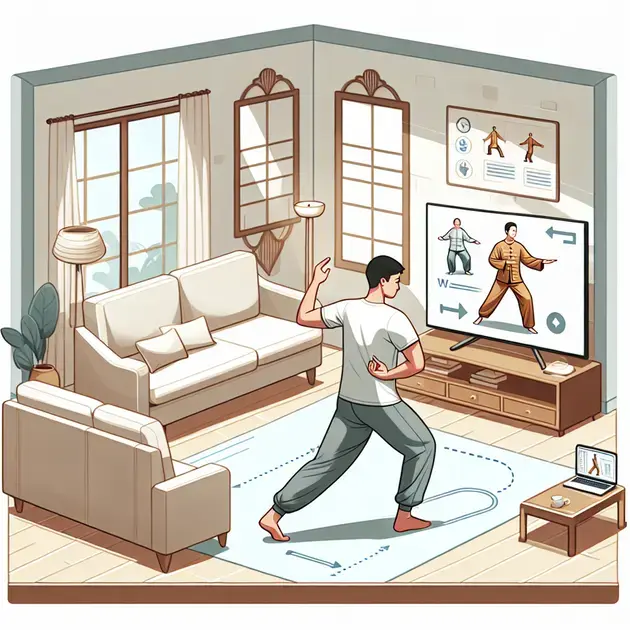
Title: Tai Chi Exercises for Weight Loss: Do They Work?
Introduction:
Maintaining a healthy weight is crucial for overall well-being and fitness. However, with busy work schedules and limited time for the gym, it can be challenging to find alternative ways to stay fit. One such option that can be practiced at home is Tai Chi exercises. While they may not resemble a typical cardio workout, Tai Chi exercises have gained popularity for their potential in aiding weight loss. In this article, we will explore the effectiveness of Tai Chi exercises in promoting weight loss and their numerous health benefits.
The Essence of Tai Chi:
Tai Chi is an ancient Chinese martial art that combines deep breathing, slow and controlled movements, and focused meditation. With origins dating back to the 17th century, Tai Chi focuses on the harmonious flow of energy or “chi” within the body. It is often described as a moving meditation, benefiting both the mind and body.
Weight Loss through Tai Chi:
Tai Chi exercises may not appear as intensive as high-impact cardio routines; however, the practice can still contribute to weight loss in various ways.
- Increased Caloric Expenditure: Engaging in Tai Chi exercises can help burn calories and boost metabolism. Although the movements are gentle and low-impact, they require focused attention and recruit various muscle groups, resulting in an elevated energy expenditure.
- Improved Muscle Strength: Tai Chi exercises involve maintaining poses for an extended period, utilizing body weight for resistance. This continuous muscle engagement helps improve muscle strength, which, in turn, may support weight loss by increasing basal metabolic rate and enhancing fat burning.
- Mindful Eating: Tai Chi promotes mindfulness and self-awareness. With regular practice, individuals may develop a deeper connection between their minds and bodies, leading to better control over eating habits. By cultivating a greater understanding of hunger cues and fostering a mindful approach to eating, Tai Chi may aid weight loss efforts.
- Stress Reduction: Stress can significantly impact weight management. The practice of Tai Chi incorporates deep breathing techniques and meditation, leading to relaxation and stress reduction. By managing stress levels, individuals may be better equipped to make healthier food choices and maintain a balanced weight.
Other Health Benefits of Tai Chi:
- Improved Balance and Posture: Tai Chi places emphasis on body alignment, balance, and coordination. Regular practice can enhance posture and stability, reducing the risk of falls and enhancing daily activities.
- Joint Flexibility and Mobility: The slow and controlled movements in Tai Chi promote joint flexibility and range of motion. This can be particularly beneficial for individuals with chronic pain conditions or age-related joint stiffness.
- Stress Relief and Mental Well-Being: Besides its physical benefits, Tai Chi is renowned for its ability to alleviate stress and improve mental well-being. The calming nature of the practice can promote relaxation, reduce anxiety, and improve overall mood.
Conclusion:
While Tai Chi exercises may not be synonymous with high-intensity workouts, they offer a holistic approach to weight loss and fitness. Incorporating Tai Chi into your routine can contribute to calorie expenditure, improve muscle strength, and foster mindful eating habits. Moreover, it offers a multitude of other health benefits, including improved balance, joint flexibility, and mental well-being. So, if you’re unable to make it to the gym, consider exploring the ancient practice of Tai Chi for weight loss and overall wellness.Keeping your weight under control is crucial for maintaining good health and fitness. But with busy work schedules, finding time to go to the gym can be challenging. However, there is a solution – you can try doing Tai Chi exercises at home to aid in your weight loss journey. Unlike the traditional cardio workouts, Tai Chi exercises provide a unique approach to shedding those extra pounds. So, let’s explore whether or not Tai Chi exercises are effective for weight loss.
Mastering Morning Routines: From Cardio at Dawn to Lean Cuisine by Night – A Day in the Life of Achieving Fitness Goals

For many, the journey to fitness starts with a daunting alarm clock and a groggy morning routine, but for Nicole, it’s a carefully orchestrated symphony of cardio, creativity, and, most importantly, consistency. As dawn breaks, she embarks on a day filled with strategic choices—from the invigorating 50-minute ride on her recumbent bike to whipping up a high-protein breakfast, all while squeezing in moments of planning and productivity. This isn’t just about the physical transformation, though Nicole celebrates her remarkable 130-pound weight loss; it’s about the mental shift, the dedication to self-care, and the joy found in daily rituals. Join us as we delve into Nicole’s day, exploring her strategies for sustaining motivation, the culinary creations that fuel her journey, and the mindset that propels her forward, offering inspiration and actionable advice for anyone striving to transform their life, one sunrise at a time.
Embracing the Morning Routine
Nicole’s day begins at the crack of dawn with a commitment to self-improvement that’s not just physical but also mental. By waking up bright and early, she seizes the opportunity to engage in some cardio, which sets the tone for her entire day. Her exercise routine is strategically chosen to fit her lifestyle and environment, with 50 minutes on the recumbent bike being her go-to choice during the workweek. This routine not only accommodates her busy schedule but also the limitations imposed by the winter season. Her mornings are a testament to the power of routine—how it can shape your day and, ultimately, your life.
Nourishing Breakfast Rituals
After her invigorating workout, Nicole transitions into her breakfast ritual. This is no mere meal but a cornerstone of her nutritional plan designed to fuel her day and her dreams. She emphasizes the importance of a hearty breakfast to stave off hunger and sustain energy levels throughout the morning. Lean meats, whole grains, and a balance of proteins and carbs ensure she’s not just nourished but thriving. It’s this foresight and preparation that underpin her successful weight management journey.
Beauty Meets Productivity
Once her morning errands are completed, Nicole immerses herself in her workday. Before the hustle ensues, she sneaks in some time to add a touch of beauty with her eyeshadow routine, using palettes that enhance her natural glow and boost her confidence. This small act of self-care is a reminder that wellness is not just about the body but also about embracing oneself fully.
Evening Culinary Creations
When she returns from work, Nicole jumps back into action with culinary creativity. This time, she’s concocting a low-calorie pizza that reflects her commitment to healthy eating without sacrificing flavor. Here’s how she builds her delectable masterpiece:
- Tortilla Base: Using ancient grain tortillas for a fiber-rich, lower-calorie crust.
- Sauce Savvy: Opting for economical pasta sauce instead of pricier pizza sauce, a cost-effective nutrition hack.
- Lean Protein Topping: Sliced smoked ham, meticulously portioned for maximum flavor with minimal calories.
- Cheese Light: A single slice of medium cheddar, strategically broken to spread across the pizza evenly, ensuring taste in every bite.
Paired with a side of baby carrots, this meal exemplifies how Nicole navigates her dietary needs while relishing every bite.
Strength-Building Workouts
The day, however, is far from over. Next comes the evening workout—a session focused on back and biceps designed to build strength and definition. Nicole’s exercise choices are intentional, with each move carefully selected to target specific muscle groups. Her routine includes:
- Rope Cable Pullovers: For warming up the back muscles and enhancing the mind-muscle connection.
- Dumbbell Rows and Landmine Rows: These exercises are staples in her back workout, offering compound movement benefits and increased strength.
- Bicep Exercises: A series of curls against the wall and incline dumbbell curls challenge the muscles differently, ensuring comprehensive development.
Nicole’s ability to juggle various responsibilities while maintaining a dedicated fitness regimen is partly due to her strategic integration of productivity into exercise. By multitasking during cardio sessions, such as planning future videos and listening to music, she transforms physical activity into a dual-purpose effort, making her time work doubly hard for her.
Nutritional Supplements for Success
In the pursuit of nutritional completeness and to curb cravings, Nicole is a loyal advocate of protein supplementation. Her choice of s’mores-flavored protein powder is not just a meal enhancer but also a way to satisfy her sweet tooth without derailing her caloric goals.
Evening Relaxation and Connection
As the evening unfolds, Nicole and her partner, Sassy, wind down with some video gaming—each enjoying their solo games before coming together to conquer challenges in Call of Duty. It’s a ritual that allows them to reconnect and relax, proving that play is an integral part of a balanced lifestyle.
The Essence of Transformation
Ultimately, Nicole’s day encapsulates the essence of building a life centered around health, mindfulness, and joy. Each decision, from meals to workouts, is imbued with intention. She demonstrates that lasting transformation requires more than physical discipline—it’s also about nurturing mental resilience and cherishing daily rituals.
Nicole’s journey is a powerful reminder that weight loss and wellness are not merely about numbers. It’s about understanding oneself deeply, honing a mindset that looks beyond scales, and embracing the heart and soul of the journey—because, in the end, that’s what truly fits us for life’s adventures.