Home Blog Page 110

How I Start My Day: From 4:30 AM Wake-Up to Lean Pizza Prep and Evening Workouts


Blog Article


There’s something invigorating about starting your day before dawn, especially when it sets the tone for a productive and fulfilling routine. As someone who thrives on structure and well-being, I find that beginning my days at 4:30 a.m. allows me to focus on my physical health and mental clarity. In this blog, I will take you through my daily rituals—from energizing cardio sessions and hearty breakfasts to my post-workout meal prep and my evening wind-down. Whether it’s navigating a fitness journey, like achieving my leanest physique yet, or finding joy in simple pleasures like homemade low-calorie pizzas, these routines are crafted not only for physical gains but also for bolstering a positive mindset. Join me as I delve into the strategies that keep me motivated and balanced, setting the stage for a lifestyle that harmonizes health, happiness, and hard work.

Morning Rituals

Cardio and Breakfast: The earliest hours of my day are dedicated to a cardio workout followed by a nourishing breakfast. This practice isn’t just about burning calories; it’s about setting the tone for the day. I find that doing cardio first thing helps me approach the day with clarity and focus.

I usually opt for the recumbent bike, especially on weekdays. It’s both practical and efficient. On weekends, when the weather allows, a walk outside can be just as invigorating. Post-cardio, a well-balanced breakfast follows to refuel my body and prepare for the tasks ahead.

Preparation and Mindset: In the mornings, I also embrace the time to mentally prepare for my day. This involves setting clear intentions and goals, allowing me to manage stress levels effectively. I know that if I feel rushed, I’m less likely to adhere to my routine. By getting an early start, I create breathing room that enables me to take on the day’s challenges with ease.

Workday Hustle

Once breakfast is done and the dishes are cleared, it’s time to transition into work mode. Preparation doesn’t end here; packing a nutritious lunch and ensuring I have everything I need for the day is part of my routine. Knowing that my meals are ready keeps my energy levels up and my focus sharp throughout the workday.

Evening Routine

Lean Pizza Creations: After a fulfilling day at work, I dive into meal preparation. One of my favorite meals is a lean homemade pizza. Using Ancient Grains tortillas as the base and cleverly substituting pasta sauce for pizza sauce, I manage to keep it both delicious and diet-friendly. Topping it with carefully measured out portions of lean ham and cheese makes for a satisfying end to the workday without breaking my caloric bank.

Strength Training: Before sitting down for dinner, it’s time for a back and bicep workout session. Strength training is a vital component of my fitness regimen. Exercises such as rope cable pullovers, dumbbell rows, and landmine rows for the back are paired with incline dumbbell curls and superset arm curls for the biceps.

My strategy focuses on concentrated movements with controlled repetitions, ensuring I’m maximizing each session. Although cutting phases can leave me feeling less energetic, the sense of achievement post-workout is rewarding and keeps me motivated to push through.

Winding Down

Relaxation and Recreation: After all the physical and mental exertion, winding down is critical. It’s time to relax, which for me means spending the evening playing video games. This leisure activity, whether solo or multiplayer, helps me disconnect from any lingering stress of the day.

I often pair my gaming sessions with a caffeine-free soda to enjoy a sweet treat that fits within my dietary plan. It’s these small joys that punctuate my day with moments of pleasure and relaxation.

Reflect and Recharge: Before bed, I indulge in a bit of movie watching—a simple pleasure that often leads to falling asleep after just a few minutes. This gradual transition into rest mode is crucial as it allows my mind and body to decompress, priming me for another early start the following day.

Final Thoughts

Maintaining a structured routine has been transformative for my physical and mental well-being. By investing the time to plan my days and prioritize wellness, I’ve achieved a level of fitness I’ve never experienced before. Losing over 130 lbs and keeping it off for nine years is a testament to the power of consistency and dedication.

It’s important to remember that weight loss and overall health aren’t solely measured by the scale. It involves nurturing both the heart and mindset. By aligning physical routines with inner goals, anyone can experience profound transformations. Whether you’re at the start of your journey or striving for new milestones, remember: perseverance and self-awareness are your greatest allies.


Why You Need To Start Using A Shiatsu Foot Massager Today For Ultimate Relaxation And Health Benefits


Shiatsu Foot Massager Benefits

Perfecting Your Self-Care Routine: The Benefits of the Shiatsu Foot Massager from Cupo

Relieve Stress and Anxiety

Our feet are an essential part of our daily lives, supporting us through every step we take. Yet, they are often overlooked in our self-care routines. Foot massage is frequently perceived as a luxury reserved for spa visits, but its benefits extend beyond mere relaxation. Shiatsu foot massagers, such as the one offered by Cupo, are redefining how we approach foot care by providing convenient at-home therapeutic benefits. Let’s delve into the myriad of advantages that incorporating a Shiatsu foot massager into your routine can bring, based on Dr. David Guy’s insights and personal experience with the device.

Enhance Circulation

First and foremost, one of the significant benefits of foot massage is stress and anxiety relief. When stress levels soar, our bodies react by tensing up, affecting not just our mood but also our physical health. Foot massage offers a natural way to unwind. By stimulating specific pressure points on the feet, it helps release endorphins—often termed the “feel-good hormones.” This release fosters a sense of well-being and relaxation that permeates throughout the body, resulting in a more relaxed state and reduced stress levels.

Manage Pain Effectively

Moreover, regular foot massage can enhance circulation. Good blood circulation is crucial for maintaining overall health as it ensures that nutrients and oxygen are efficiently delivered to cells and tissues. The mechanical action of a foot massage stimulates muscles and tissues, thereby improving blood flow. This enhanced circulation aids in faster recovery and healing throughout the body, which is especially beneficial for those battling foot pain or discomfort from long hours of standing or uncomfortable footwear.

Improve Sleep Quality

Foot massage can also be a potent ally in pain management. Many individuals suffer from chronic foot pain due to various reasons, including prolonged standing, wearing ill-fitting shoes, or certain medical conditions. Targeted foot massage can alleviate this pain by focusing on particular pressure points known to relieve discomfort and improve mobility. This targeted approach not only provides immediate relief but can also contribute to long-term improvement in foot health.

Boost Immune System and Mental Clarity

Another fascinating benefit of foot massage that might not be commonly known is its potential to improve sleep quality. Those struggling with insomnia or restless nights can find solace in a soothing foot massage. By promoting relaxation and reducing tension, foot massage helps facilitate faster sleep onset and enhances the quality of rest. The relaxing effects can contribute to deeper, more restful sleep, which is foundational for good health and well-being.

The Convenience of the Cupo Shiatsu Foot Massager

Furthermore, some studies suggest that foot massage can positively impact the immune system. This is largely based on the principles of reflexology, which associates specific points on the feet with various organs and bodily systems. By stimulating these reflex areas, foot massage may theoretically boost immunity by enhancing the body’s natural defenses.

Improving mental clarity is another surprising benefit of regular foot massage. As tension and stress are relieved, mental fatigue diminishes, enhancing concentration and cognitive performance. The improved blood flow and endorphin release associated with foot massage not only make you feel more alert but also help enhance focus and clarity of thought.

Conclusion: Enhance Your Self-Care Routine

Given these wide-ranging benefits, one might wonder how to consistently incorporate foot massage into their routine, especially if regular visits to a professional therapist are not feasible. This is where the Shiatsu foot massager from Cupo stands out. As Dr. David Guy personally attests, this foot massager device provides a convenient and effective way for individuals to reap the benefits of foot massage without leaving the comfort of their homes.

The Cupo Shiatsu foot massager is designed with user convenience in mind. It offers an array of features tailored to individual preferences. These include three stages of massage—arch kneading, heel scraping, and toe rotating kneading—alongside rolling kneading, shiatsu methods, and compression options. The device also includes a heating function, which can be particularly comforting for relaxing tense muscles and warming cold feet.

One of the standout features is its wireless remote control. For individuals with mobility issues, such as pregnant women or the elderly, this allows for easy operation without the need to bend over. The massager accommodates feet up to a men’s size 14, ensuring that it is suitable for most users, regardless of foot size or shape.

Overall, the Cupo Shiatsu foot massager presents a valuable addition to any self-care routine. Its versatile settings and ease of use make it suitable for a wide audience, from professionals who stand all day to athletes and dancers who exert considerable stress on their feet. It provides a simple yet effective solution to enhance well-being, making it an excellent gift for both men and women.

In conclusion, incorporating a Shiatsu foot massager like the one from Cupo into your routine could significantly enhance your quality of life by promoting relaxation, improving circulation, alleviating pain, and offering a host of other health benefits. As our lives become increasingly hectic, finding simple, effective ways to care for our bodies becomes crucial. Invest in your health today by considering how a Shiatsu foot massager can support your journey to feeling, looking, and performing your best.


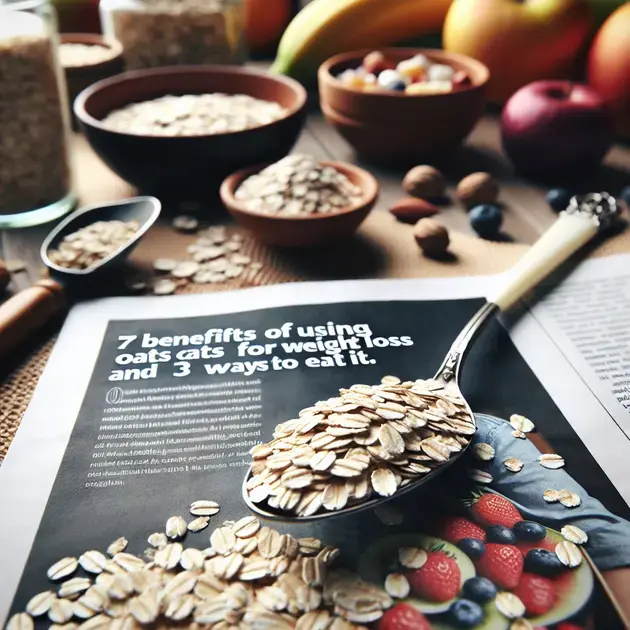
7 benefits of using oats for weight loss and 3 ways to eat it


Oats: A Powerhouse for Weight Loss

Oats: A Powerhouse for Weight Loss

Oats have long been a popular choice for breakfast due to their numerous health benefits. Not only are they rich in essential nutrients, but they also come with the added bonus of being low in calories, making them an ideal choice for those who are looking to lose weight or maintain a healthy diet.

What sets oats apart from other breakfast options is their high fiber content. Fiber not only aids in digestion but also helps to keep you feeling fuller for longer periods of time. This translates to reduced snacking throughout the day and ultimately contributes to weight loss.

One of the key benefits of oats is their ability to regulate blood sugar levels. Oats have a low glycemic index (GI), meaning they are slowly digested and absorbed, resulting in a gradual release of glucose into the bloodstream. This steady release helps to prevent spikes in blood sugar, which can lead to cravings and overeating.

In addition to their weight loss benefits, oats are also known to improve heart health. The soluble fiber found in oats has been found to reduce levels of bad cholesterol (LDL) while increasing levels of good cholesterol (HDL). This combination helps to prevent the build-up of plaque in the arteries and lowers the risk of heart disease.

When it comes to incorporating oats into your diet, there are numerous delicious options to choose from. One classic way to enjoy oats is in the form of oatmeal. Simply cook oats with water or milk, and add your favorite toppings such as berries, nuts, or a drizzle of honey.

Another creative way to include oats in your diet is by using them in smoothies. Blend oats with your favorite fruits, yogurt, and a liquid of your choice for a nutritious and satisfying meal on the go. Alternatively, you can also try incorporating oats into baked goods such as muffins or cookies for a healthy twist.

In conclusion, oats are a versatile and nutritious grain that can greatly support weight loss efforts. Their high fiber content, ability to regulate blood sugar levels, and heart-healthy properties make them a valuable addition to any diet. Whether enjoyed as a warm bowl of oatmeal or blended into a refreshing smoothie, oats provide a filling and delicious way to achieve your weight loss goals while maintaining a healthy lifestyle.

Sources:

“7 benefits of using oats for weight loss and 3 ways to eat it” – article in English

Lacto-vegetarian: Here’s what the diet looks like

Vegetarianism has seen a surge in popularity in recent years, attracting people for various reasons, including health benefits and animal welfare concerns. Contrary to popular belief, a vegetarian diet is much more diverse than just eating vegetables. One such variation is the lacto-vegetarian diet, which includes dairy products in addition to plant-based foods.

A lacto-vegetarian diet primarily consists of fruits, vegetables, grains, legumes, nuts, and seeds. In addition to these, it allows for the consumption of dairy products such as milk, cheese, yogurt, and butter. This variation of a vegetarian diet is particularly appealing to those who are reluctant to give up dairy products, as it offers an opportunity to enjoy their favorite dairy-based foods while still adhering to a vegetarian lifestyle.

The inclusion of dairy products in the lacto-vegetarian diet provides several essential nutrients that are often associated with animal products. Calcium, for instance, is known for its importance in maintaining strong bones and teeth. Dairy products are a rich source of calcium, making them a valuable addition to a lacto-vegetarian’s diet. Additionally, dairy products contain protein, vitamin D, vitamin B12, and other nutrients necessary for overall health and well-being.

Incorporating a lacto-vegetarian diet can offer numerous health benefits. Research has shown that vegetarians, including lacto-vegetarians, tend to have a lower risk of obesity, heart disease, high blood pressure, and diabetes. Plant-based diets are typically lower in saturated fats and cholesterol, which are commonly found in animal products and have been linked to an increased risk of various chronic diseases. By reducing their consumption of animal-derived foods, lacto-vegetarians experience these positive health effects.

Furthermore, lacto-vegetarianism can be seen as a compassionate approach towards animal welfare. By excluding meat from their diet and opting for plant-based alternatives, individuals choosing a lacto-vegetarian lifestyle actively contribute to minimizing animal suffering. They also help reduce the environmental impact associated with animal agriculture, as it is a significant contributor to greenhouse gas emissions and deforestation.

In conclusion, the lacto-vegetarian diet provides a flexible and inclusive option for those who wish to adopt a vegetarian lifestyle while still enjoying dairy products. By incorporating a variety of plant-based foods alongside dairy, lacto-vegetarians can ensure they receive essential nutrients while reaping the health benefits associated with a vegetarian diet. Moreover, their choice contributes to reducing animal cruelty and environmental degradation. So whether motivated by health or compassion, embracing a lacto-vegetarian diet can be a beneficial and fulfilling choice.

Seeds for weight loss: How to choose the right ones


Seeds for Weight Loss

Seeds for Weight Loss

Seeds are often overlooked when it comes to weight loss, but they can actually be a great addition to your diet. They are nutritional powerhouses, packed with essential nutrients that can support your weight loss goals.

One of the main benefits of incorporating seeds into your diet is their nutrient-rich profiles. They are high in healthy fats, protein, fiber, and vitamins, making them a versatile and wholesome food choice. These nutrients can help promote satiety, keeping you feeling full for longer periods of time and preventing unnecessary snacking.

In addition to their nutrient content, seeds also have other weight loss benefits. They are low in calories and can be included in a variety of dishes, adding a crunchy texture and delicious flavor. By incorporating seeds into your meals, you can increase the volume and nutrient density of your food without significantly increasing the calorie content.

When it comes to choosing seeds for weight loss, it’s important to select the right ones. Some popular options include chia seeds, flaxseeds, hemp seeds, and pumpkin seeds. These seeds are rich in omega-3 fatty acids, fiber, and protein, which can help support your weight loss journey.

Chia seeds, for example, are known for their high fiber content, which can help regulate digestion and promote feelings of fullness. Flaxseeds are another great option, as they are rich in both fiber and healthy fats, which can help keep you satisfied throughout the day.

Hemp seeds are a complete source of protein, meaning they contain all nine essential amino acids that your body needs. This makes them an excellent choice for vegetarians and vegans looking to increase their protein intake.

Pumpkin seeds are not only delicious but also offer numerous health benefits. They are a good source of magnesium, iron, zinc, and antioxidants, all of which can support your weight loss goals.

Incorporating seeds into your weight loss diet is easy. You can sprinkle them on salads, yogurt, or smoothies for an added nutritional boost. They can also be used as a topping for soups, stir-fries, or baked goods.

In conclusion, seeds are a beneficial addition to your weight loss diet. They are nutrient-rich, promote satiety, and can help fuel your body with essential nutrients. By selecting the right seeds and incorporating them into your meals, you can enhance your weight loss journey while enjoying their delicious flavors. So, why not give seeds a try and see the positive impact they can have on your weight loss goals?


How I Start My Day at 4:30 AM for a Stress-Free Routine and Consistent Cardio


Blog Article


Morning Routine

My typical morning routine begins with the sound of my alarm at 4:30 AM, a time when silence reigns, and the world is mine to shape as I please. Getting up this early on weekdays is a deliberate strategy to keep my life organized and stress-free. By allowing myself this extra morning time, I’ve found I can engage in cardio exercises and have a nutritious breakfast without feeling rushed. This calm start to the day ensures that I remain committed to my routine, avoiding the urge to skip essential tasks because of time constraints or stress.

Knowing myself well, I realize that if I postpone my cardio until after a long, tiring day at work, my motivation might falter. Hence, prioritizing exercise first thing in the morning becomes critical. This habit not only jumpstarts my day but also sets a positive tone, making me feel accomplished and ready to tackle anything that comes my way. After a fulfilling breakfast, I transition smoothly into my cardio session, typically consisting of 50 minutes on a recumbent bike—my choice during the winter months when outdoor activities are limited.

Preparing for the Day

By the time the clock hits 6:40 AM, I’ve already completed a significant part of my daily routine. Now it’s time to prepare for the workday. The invigorating effects of my morning workout linger, elevating my mood and energy levels as I get ready. A quick shower and a touch of makeup using my favorite eyeshadow palette ensure I feel my best as I step out the door. My lunch is packed, and I’m set to face the day ahead with vigor and enthusiasm.

Evening Routine and Fitness Goals

Evenings bring a different rhythm. After returning home from work, I transition into a more relaxed mindset, slipping into workout gear to prepare for another fitness session. Tonight, it’s about working on back and biceps—essential parts of my overall fitness goals. The routine involves exercises like rope cable pullovers, dumbbell rows, and landmine rows for the back, followed by incline dumbbell curls and wall curls for the biceps. These targeted movements not only build strength but also add to my satisfaction of the day’s accomplishments.

During this period of my fitness journey, I am focusing on cutting weight with the aim of achieving my best shape by Christmas. The progress is evident, as I have successfully lost 130 pounds and maintained this healthier weight for over nine years. Such achievements underline the importance of consistency and a well-planned approach to both fitness and dieting.

Meal Planning

Meal planning forms a crucial part of my day’s structure. One of my favorite dinner preparations involves making a low-calorie pizza using Dempster Ancient Grains tortillas, topped with pasta sauce, smoked ham, and cheddar cheese. It’s a delicious, nutritious option that satisfies my cravings while supporting my dietary goals. Alongside, I enjoy a portion of baby carrots, completing a balanced meal that keeps my energy levels stable and my taste buds happy.

To maintain a varied and enjoyable diet, I rely on high-quality ingredients and supplements. One such staple is a protein powder that supports my nutritional requirements while offering satisfying flavors. This flexibility allows me to create diverse meals that fit within my calorie and macro goals, making the overall process of cutting more enjoyable and less restrictive.

Wind Down and Relaxation

As the day’s activities wind down, relaxation becomes key. Putting away laundry and other small chores provide a mental break before settling into an evening of unwinding with video games and movies. Such leisure time is shared with my partner, allowing us to connect and recharge together. Although we only manage to watch brief segments of a movie each night, this ritual is a cherished part of our routine, providing a gentle segue to bedtime.

Ultimately, the cycle of my day—from its early start to its restful conclusion—is designed to optimize both productivity and personal wellness. By balancing structured activities with moments of relaxation, I create a holistic approach to life that supports my goals and nurtures my well-being. It’s not just about the physical benefits of regular exercise and a healthy diet; it’s also about cultivating a positive mindset and a resilient spirit. This framework empowers me to confront challenges with confidence and find joy in the daily journey toward better health, inside and out.

Discover how starting the day at 4:30 AM can minimize stress and maximize success. Learn how structured routines, early workouts, and balanced meals shape a healthier lifestyle.


When Is It Time for Young Athletes to Consider Shoulder Surgery? Insights from Dr. David Guyer


Blog Post

In the ever-evolving field of sports medicine, conventional wisdom is constantly being challenged and refined. Take, for instance, the past belief held by orthopedic surgeons that a dislocated shoulder could be resolved simply with a brace, rest, and rehabilitation. However, as research has advanced, we now understand that a significant number of young athletes who initially recover from a shoulder dislocation experience recurring instability, often leading to the need for surgical intervention. In this blog, inspired by the insights shared by Dr. David Guyer, a renowned orthopedic surgeon and sports medicine specialist, we delve into the complexities surrounding shoulder dislocation in young athletes. What factors should be considered when deciding on surgery? Why are younger athletes at a higher risk for recurring issues? Through exploring these questions, we aim to provide athletes and their families with a clearer understanding of this common yet challenging injury.

The Challenge of Recurrent Instability

Shoulder dislocation is a prevalent issue among athletes, particularly in younger individuals. Historically, the approach to managing a dislocated shoulder involved stabilizing the joint with a brace or sling, followed by a period of rehabilitation. This conservative treatment was once thought sufficient to allow athletes to return to their sport. However, recent studies and clinical observations have shed light on the potential for recurrent instability in such cases, leading to repeated dislocations and long-term problems.

Recurrent instability, as the term suggests, is the tendency of the shoulder to dislocate multiple times after the initial incident. This issue is particularly concerning because each dislocation can exacerbate the damage to the shoulder joint, affecting structures such as the articular cartilage and bone. Over time, this can lead to persistent pain, decreased shoulder function, and an increased risk of developing osteoarthritis.

Increased Risk for Younger Athletes

For younger athletes, particularly those aged 18 and under, or even up to 25, the likelihood of experiencing recurrent instability is significantly higher. Research has indicated that the risk of a second dislocation in this age group can be as high as 60% to 80%. This elevated risk is attributed to the physiological differences in younger individuals, whose tissues and joints may not have fully matured, making them more susceptible to instability.

Proactive Surgical Intervention

Given these risks, the approach to treating shoulder dislocations in young athletes is undergoing a shift toward more proactive surgical intervention. Orthopedic sports medicine specialists now often favor surgical repair after the first or second dislocation, particularly in younger patients. This decision is not based on a strict number of dislocations but rather on a combination of factors including age, activity level, and the severity of the injury.

Surgical Repair Techniques

Modern surgical methods for addressing shoulder dislocations typically involve arthroscopic techniques. These minimally invasive procedures employ small incisions and an arthroscope (a small camera) to guide the repair. The surgeon may use stitches and anchors to reattach the labrum (a cup-shaped rim of cartilage that helps keep the ball of the joint in the socket) and tighten the joint capsule. This corrective measure aims to stabilize the joint and prevent future dislocations.

Balancing Risks and Benefits

The decision to undergo surgery is a nuanced one, balancing the risks of surgical intervention against the potential long-term damage of recurrent instability. Surgery carries its own risks, such as infection and complications from anesthesia, and requires a significant recovery period. However, for many young athletes, the potential benefits of preventing further dislocations and preserving the shoulder’s long-term function outweigh these risks.

Rehabilitation and Recovery

Post-surgical rehabilitation is a critical component of recovery. A tailored rehabilitation program will focus on restoring range of motion, strengthening the muscles around the shoulder, and gradually reintroducing sport-specific activities. Careful adherence to rehabilitation protocols can significantly enhance the outcome of the surgery and reduce the likelihood of re-injury.

Holistic Approach to Recovery

Besides surgical intervention, a holistic approach to recovery can offer added benefits. This may include anti-aging and regenerative medicine techniques, such as platelet-rich plasma (PRP) injections or stem cell therapy, which can promote healing and tissue regeneration. Nutritional support, including a diet rich in anti-inflammatory foods, can further aid in recovery.

Making an Informed Decision

Understanding when to consider surgery requires a thorough evaluation by a qualified sports medicine specialist. Young athletes and their families must carefully weigh their options, taking into account the athlete’s personal goals, the extent of the injury, and the potential impact on their athletic career and overall quality of life.

In the context of shoulder injuries and beyond, the landscape of sports medicine continues to evolve. Innovations in surgical techniques, rehabilitation methods, and regenerative medicine are all contributing to improved outcomes for athletes. As we gain more knowledge and experience, the goal remains to help athletes return to their sports safely and effectively, while minimizing the risk of long-term complications.

For athletes grappling with the decision of whether or not to pursue surgery, open communication with their healthcare provider is crucial. Additionally, staying informed about the latest research and treatment options can provide greater insight into the best course of action.

While no single answer fits every athlete, the emphasis should always be on achieving the most optimal long-term health outcomes, allowing athletes to perform at their best, both now and in the future.


How I Lost 130 Pounds and Kept It Off: My Daily Routine for Success


Blog Article


Morning Routine: Setting the Tone for Success

The early hours of the morning are often seen as a time of rest, but for those committed to their fitness journey, it’s a time to set the tone for the rest of the day. Waking up at 4:30 in the morning might seem extreme to some, but for me, it’s a vital part of maintaining my health and fitness routine. Starting the day with cardio ensures that no matter what happens during work, I know I’ve already ticked an important job off my list.

I make it a point to complete my cardio workout first thing in the morning, thereby eliminating any chance of procrastination later in the day. By doing this, I not only set a positive tone for my daily routine but also ensure that I remain consistent and motivated. Running on the recumbent bike for 50 minutes, six days a week, might sound daunting, but it’s become a normal part of my routine. It’s easier to maintain motivation when you avoid the excuse of “I’ll do it later,” especially after a long day of work when energy levels are low.

Fueling the Day: Breakfast and Preparation

After finishing my morning cardio, breakfast is my next priority. A well-balanced meal is crucial to fueling my body for the day ahead. For me, breakfast isn’t just a meal; it’s the launchpad for a successful day. Post-breakfast, I focus on cleaning up before heading into the day’s tasks, which keeps the momentum going and helps me avoid scrambling or feeling rushed.

Once I’m ready for work, having organized everything from my outfit to my lunch, there’s a sense of accomplishment that carries throughout the day. Planning my meals in advance, particularly a lunch that balances nutrition and satisfaction, means I avoid the temptation of unhealthy options.

Evening Routine: Meals and Workouts

After a full day at work, coming home is a moment of transition from professional responsibilities to personal goals. My go-to dinner option is a homemade low-calorie pizza using whole grain tortillas, pasta sauce as an affordable alternative to pizza sauce, lean ham, and a slice of cheese to top it off. Paired with some baby carrots, it becomes a satisfying dinner that supports my lean goals.

Evening workouts target specific muscle groups, with exercises tailored to maintain muscle mass while in a caloric deficit. For instance, back and bicep workouts incorporate exercises like cable pullovers, dumbbell rows, and landmine rows, followed by dumbbell curls and superset exercises for the biceps. This focus on strength training not only aids in fat loss but also ensures that muscle mass is preserved, enhancing the overall aesthetic and functional results of my fitness journey.

Relaxation and Reflection

Beyond the structured physical activities and meals, relaxation and unwinding are equally important. For me, this involves playing video games and savoring a caffeine-free beverage with my partner. The act of sharing these moments reinforces a sense of balance in my lifestyle—after all, sustaining a weight loss journey is about creating a lifestyle that is enjoyable and sustainable over the long term.

Finally, before heading to bed, I take a moment to reflect and mentally prepare for the following day. This contemplation is vital, as it helps me stay focused and aligned with my goals. A routine is not just about repetition but also about the mindset that accompanies it. By anchoring my days in these routines, I’ve been able to successfully lose 130 pounds and maintain that weight loss for over nine years.

Conclusion: The Journey to a Healthier You

For anyone interested in embarking on a similar journey, understanding the role of consistency, planning, and mindset is crucial. It’s not just about what you do in the gym or what you eat at the table—the real transformation happens in how you perceive and respond to the challenges along the way. Remember, it’s not merely the number on the scale that defines success but also how you feel mentally and emotionally—heart and mindset are just as important. Fight through, believe in yourself, and never give up. Your journey to a healthier you is within reach.


When Is It Time for Shoulder Surgery? Insights from Dr. David Guyer


When Is It Time for Shoulder Surgery? Insights from Dr. David Guyer

In the evolving field of sports medicine, understanding the nuances of shoulder injuries—especially recurrent dislocations—can be crucial for athletes striving to maintain peak performance. Traditionally, orthopedic surgeons believed that once a shoulder was dislocated, rehabilitation through bracing or slinging would suffice. However, recent insights have shifted this perspective, emphasizing the significant likelihood of recurrent instability that may ultimately require surgical intervention. In this blog, Dr. David Guyer, an esteemed orthopedic surgeon and sports medicine specialist, delves into the factors influencing the decision to opt for surgery, particularly for young athletes. Join us as we explore the complexities surrounding shoulder dislocations and the proactive measures being adopted to safeguard long-term athletic health and performance.

Understanding Recurrent Shoulder Dislocations

Recurrent shoulder dislocations refer to the repeated displacement of the shoulder joint out of its socket. This condition, known as recurrent instability, can significantly impair an athlete’s performance and well-being. Studies have shown that younger athletes, especially those under 18, are at a notably higher risk. In fact, the probability of experiencing a second or even third dislocation can be as high as 60% to 80% for these individuals. This elevated risk level highlights the urgency for informed decision-making in managing shoulder dislocations.

The Need for Surgical Intervention

The decision to undergo surgery should not be taken lightly, as it involves multiple factors, both medical and lifestyle-related. For young athletes experiencing recurrent dislocations, the risks of further injury can be substantial. Each dislocation event can exacerbate existing damage, affecting the articular cartilage and even the bone, which might lead to chronic long-term issues like degenerative arthritis.

Orthopedic sports medicine specialists argue for a more aggressive surgical approach, especially when dealing with younger patients. The surgical procedure typically involves addressing the structural damages and ensuring that the shoulder’s components are reattached and fortified using stitches and anchors, usually performed arthroscopically. This can provide a more stable and reliable outcome, potentially preventing further dislocations and subsequent surgeries.

Factors Influencing the Decision for Surgery

While the decision to operate is never based on a definitive number of dislocations, several key aspects warrant consideration:

  • Age: Younger athletes are more prone to recurrent dislocations due to factors like immature skeletal structures and higher activity levels.
  • Severity of Injury: The extent of damage to the shoulder’s articular cartilage and surrounding bone structures plays a crucial role in deciding whether surgery is necessary.
  • Activity Level: Athletes engaged in high-impact sports might benefit from early surgical intervention to prevent further injuries that could sideline their careers.
  • Quality of Life: Chronic shoulder instability can significantly impact daily life and athletic performance, making surgery a viable option for sustained health and activity.

Alternatives to Surgery

While surgery is a viable option for many, it is essential for athletes to explore all alternatives, particularly if they are hesitant about undergoing a procedure. Non-surgical treatments include:

  • Physical Therapy: Rehabilitation exercises focused on strengthening shoulder muscles and improving joint stability can help reduce the risk of dislocation.
  • Regenerative Medicine: Emerging treatments, such as platelet-rich plasma (PRP) injections, offer potential benefits in healing and strengthening shoulder structures.
  • Lifestyle Modifications: Adjustments in training routines and adopting shoulder-friendly techniques can minimize dislocation risks.

Engaging with an Orthopedic Specialist

Athletes are encouraged to engage thoroughly with their healthcare professionals, discussing the potential long-term implications of both surgical and non-surgical options. Specialist consultations provide tailored insights, ensuring that the chosen path aligns with the athlete’s health goals and career aspirations.

Conclusion

As the understanding of shoulder dislocation evolves, the approach to managing this condition continues to develop, focusing on sustainable athletic health. Surgery, albeit a significant step, offers a promising resolution for those facing recurrent instability, but it is accompanied by a commitment to recovery and potentially life-altering outcomes. Athletes, along with their healthcare teams, must weigh the benefits and risks, ensuring that their decision supports both their immediate desires and long-term well-being.

Through an informed, individualized approach, athletes can navigate the intricate decisions surrounding shoulder dislocations, achieving not only recovery but also enhanced performance and durability in their sporting endeavors.


How I Rock My 4:30 AM Routine: Cardio, Cooking, and Cutting!


Blog Article


Starting the Day at 4:30 AM

Rising at 4:30 in the morning might sound daunting to many, but the early hours are my sanctuary. It’s during these quiet moments that I set the foundation for a successful day. The routine I’ve nurtured over time begins with waking up well before the sun peeks over the horizon. While the world sleeps, I’m already on the path to achieving my fitness and wellness goals. Each waking moment is a conscious decision to prioritize health and create a positive start to my day.

Managing Time and Cardio

Time management is crucial, and by giving myself plenty of time, I avoid unnecessary stress. Rushing through the morning can lead to neglecting my routine, which is why I plan carefully to ensure everything flows smoothly. One of the essential tasks I tackle early is my cardio workout. I know myself well enough to realize that waiting until after work would result in a lack of motivation. So, by 5:40 AM, I’m on the recumbent bike, pedaling away for a solid 50 minutes. I do this six times a week, harnessing the energy of the morning to fuel my day.

A Productive Morning Routine

Cardio not only energizes me but also serves as a productive brainstorming session. While cycling, I like to engage my mind, often planning upcoming projects or simply enjoying some music. It’s a time of mental and physical rejuvenation, setting a positive tone for the hours ahead. Once cardio is complete, I’m ready for a shower and a quick makeup routine. The Milani gilded mini eyeshadow palette is a staple in my morning ritual, adding a touch of glam as I prepare for the workday ahead.

Fueling with Nutrition

Fueling my body properly is just as important as exercise. Breakfast is a non-negotiable aspect of my morning routine. I enjoy a nutritious meal that sets me up for sustained energy levels throughout the day. On the menu today is my low-calorie, homemade pizza—a favorite that is both delicious and diet-friendly. Using Dempster Ancient Grains tortillas, I layer pasta sauce, Kirkland smoked black Forest ham, and a slice of Great Value medium cheddar cheese. Paired with baby carrots, it’s a balanced meal that satisfies cravings while supporting my fitness goals.

Staying Hydrated and Protein-Packed

When it comes to maintaining a healthy lifestyle, hydration is key. Throughout the day, I incorporate protein-rich snacks like smoothies made with HTL subs protein powder. This helps curb sweet cravings and keeps my protein intake on track. Variety is the spice of life, and by exploring different flavors, I stay excited about my meals.

Strength Training Regimen

Post-work, it’s time to hit the gym for strength training. My focus today is on back and biceps, beginning with rope cable pullovers, followed by dumbbell rows and landmine rows. For biceps, incline dumbbell curls and dumbbell curls against the wall keep my muscles engaged and challenged. I finish off with a superset involving regular curls and one dumbbell two-arm curls, ensuring each muscle group gets the attention it needs.

Evening Relaxation and Recreation

Wrapping up the physical component of my day, I embrace the relaxation that comes after a hard workout. The evening is my time to unwind, tackle household tasks, and enjoy leisure activities. Video games offer a playful escape and provide a way to bond with loved ones. Whether building a virtual bed and breakfast or diving into the zombie apocalypse of Call of Duty, it’s all about finding joy and balance.

Conclusion: Mindset and Balance

Throughout this journey, maintaining a healthy mindset is crucial. Weight loss is more than a number on a scale; it’s about fostering a strong heart and mind. Perseverance and a positive outlook are my constant companions, reminding me that with each small step, I’m moving closer to my goals.

Incorporating a structured routine is about more than just discipline; it’s about crafting a lifestyle that’s both enjoyable and rewarding. By dispersing my energy across early workouts, balanced meals, and enjoyable downtime, I ensure that every aspect of my day contributes to my overall well-being.

So, if you’re looking to create a morning routine that fuels your body and mind, remember: the key is to start small, be consistent, and find joy in the journey. After all, a day well begun truly makes all the difference. Keep fighting through it, and embrace each day with enthusiasm and determination.