Home Blog Page 101

My Ultimate Fat Loss Meal Plan: From Flab to Fit!


Blog Article

Transforming your body and achieving your weight loss goals can often feel like a daunting task, but it’s one that I have navigated successfully. In just 13 weeks, I managed to shed 21.4 pounds and reached the best shape of my life, all while being able to enjoy delicious and satisfying meals throughout the day. My journey wasn’t just about changing numbers on a scale; it was about finding a sustainable way to eat that fueled my workouts, kept my hunger at bay, and helped me maintain my progress. In this blog, I am excited to share the exact meals that helped me transform, along with tips on how to balance calories and protein intake to stay full and energized. Whether you’re looking to lose weight or simply eat healthier, join me as I break down each meal that helped me on my path to fitness and wellness. Welcome to your new blueprint for successful fat loss!

Breakfast: A Power-Packed Start

The day begins with a breakfast that’s both filling and nourishing. Here’s what my typical breakfast looks like:

  • Two large eggs: A staple for protein and essential nutrients.
  • Two slices of whole wheat toast: Provides the necessary fiber to start the day.
  • Two teaspoons of light margarine: A healthier fat source to complement the toast.
  • Two slices of smoked Black Forest ham: An excellent source of protein, providing more volume and fewer calories compared to a single slice of bacon.

This breakfast comes in at 435 calories and 32 grams of protein. By opting for ham instead of bacon, I managed to increase my protein intake and decrease calories while still enjoying a hearty meal. The goal here is to have a substantial breakfast that fuels my day, preventing late-night hunger pangs that often lead to overeating.

Lunch: Low Calorie, High Volume

Lunch is designed to be low in calories but high in volume and protein, keeping me full without adding too many calories to my daily intake:

  • Half a cup of plain fat-free Greek yogurt and half a cup of frozen blueberries: This combination is both rich in protein and antioxidants.
  • Half a cup of cucumbers and lean turkey pepperoni: Provides a refreshing crunch and a boost of protein.
  • Half a teaspoon of sugar-free flavoring: Enhances the yogurt without adding extra calories.

This meal totals 157 calories with 18 grams of protein. The use of high-volume foods like cucumbers and Greek yogurt ensures that I feel full, while the protein keeps hunger at bay. This careful balance allows most of my calories to be reserved for the times I’m hungrier, such as in the morning and evening.

Dinner: A Lean, Creative Feast

Dinner is both an opportunity to get creative and to align with dietary goals:

  • Three ounces of baby carrots: These are pre-washed and conveniently available, making them an easy go-to side.
  • A low-calorie pizza using Ancient Grains whole wheat tortilla: This serves as the base.
  • Two tablespoons of pasta sauce and two and a half slices of smoked Black Forest ham: Add flavor and protein.
  • One and a half slices of marble cheese: Melted to perfection to satisfy any cheese cravings.

Dinner rounds off at 441 calories and 33 grams of protein. Preparing a healthy pizza at home combines the satisfaction of favorite foods with the benefits of mindful eating. Using ingredients like whole grains and lean proteins makes it indulgent yet aligned with my fitness goals.

Dessert: Sweet, Healthy Indulgence

Dessert is a crucial aspect of my meal plan, offering something sweet without derailing the diet:

  • Greek yogurt bowl: Made with 3/4 cup plain fat-free Greek yogurt mixed with half a scoop of protein powder and topped with 3/4 cup of frozen strawberries and peaches.
  • Half a cup of Cinnamon Toast Crunch cereal and a teaspoon of caramel syrup: Adds texture and sweetness.
  • A sprinkle of milk chocolate chips: Satisfies the sweet tooth while staying within caloric limits.

This dessert has 367 calories and 33 grams of protein. Incorporating treats like cereal and chocolate chips ensures that my dessert remains a highlight of my day, reducing the risk of overindulging in higher-calorie sweets.

Late Night Snack: A Balanced Finish

The late-night snack consists of:

  • 1 and 1/4 cup of Honey Nut Cheerios
  • 2/3 cup of Fairlife 0% protein milk: It’s low in calories and high in protein, at 14 grams per cup.

This snack aids in maintaining fullness and satisfaction through the night, preventing any morning hunger spikes.

Daily Totals and Philosophy

The overall caloric intake for the day is 1,615 calories, with a breakdown of 46 grams of fat, 171 grams of carbohydrates, and 129.5 grams of protein. Maintaining a focus on calorie control and protein intake has been pivotal in my successful transformation. Weight loss is more than the numbers on a scale; it’s about a mindful approach to food that’s sustainable and enjoyable.

Remember, the key to success in any fitness journey lies in consistency, a tailored diet that suits personal preferences, and keeping meals enjoyable. This approach has not only helped me reach my goals but has established a foundation for a healthier lifestyle.

Achieve your weight loss goals with this fat loss meal plan. Discover simple, delicious, and satisfying meals that helped shed 21.4 lbs in 13 weeks!


Can Peptide BPC 157 Heal Meniscus Tears Without Surgery? An Orthopedic Expert Weighs In


Blog Article

Great advancements in medical science continue to offer hope for less invasive treatments for common injuries. One such development stirring interest is the potential use of peptides like BPC 157 to assist in the healing of meniscus tears, a common knee injury traditionally thought to require surgery due to the meniscus’s poor blood supply. In this article, we dive into whether BPC 157 could serve as a non-surgical alternative, exploring insights from Dr. David Guyer, a renowned orthopedic surgeon specializing in sports medicine, anti-aging, and regenerative medicine. While peptides such as BPC 157 are still considered experimental, and evidence remains limited, could they pave the way for new, innovative approaches to healing? Read on as we explore the science, skepticism, and potential behind this intriguing prospect.

The Role of Meniscus and Traditional Treatment Approaches

The meniscus is an essential component of the knee joint, serving as a shock absorber and stabilizer. Located on both the medial (inside) and lateral (outside) sides of the knee, the meniscus cushions the joint by distributing weight evenly across the knee. Unfortunately, due to its limited blood supply, the meniscus has a reduced ability to heal itself when damaged, making tears a common yet challenging issue.

Traditionally, meniscus tears often require surgical intervention, especially if the tear affects young individuals or impairs daily function significantly. However, the idea of using peptides, such as BPC 157, as a non-surgical treatment is gaining attention. So, what exactly is BPC 157, and why might it be considered for this purpose?

Understanding BPC 157 and Its Potential

BPC 157 is a synthetic peptide derived from a naturally occurring compound in the human gastric juice. It’s known for its proposed regenerative properties and ability to promote healing and reduce inflammation. Despite the potential it holds, BPC 157 is still classified as an experimental compound by the FDA. This designation means its use for treating human conditions like meniscus tears is not officially sanctioned, and comprehensive human studies are sparse.

Dr. David Guyer explains that peptides consist of short chains of amino acids, which are naturally produced in our bodies. As we age, the levels of certain peptides decrease, prompting some researchers to explore synthetic options to boost healing capabilities. Laboratories have developed synthetic versions of peptides like BPC 157, which are available through approved compounding pharmacies for those interested in exploring their potential benefits under professional guidance.

Skepticism and Current Understanding

Despite the intriguing nature of BPC 157, Dr. Guyer remains skeptical regarding its efficacy as a treatment for meniscus tears. One of the primary concerns is the method of delivery. Whether taken orally as a capsule or injected subcutaneously, the likelihood of BPC 157 reaching the intra-articular space within the knee is debatable. Even direct injection into the knee joint by a physician might not guarantee the desired regenerative effect on the meniscus.

Based on available data and expert opinions, BPC 157 may have some role as a pain reliever, offering a degree of symptomatic relief for individuals with knee pain. However, its ability to significantly regenerate damaged meniscus tissue is yet to be conclusively proven in human studies.

Exploring Alternative Regenerative Treatments

For those seeking non-surgical options, regenerative treatments like exosomes, stem cells, or platelet-rich plasma (PRP) may present viable alternatives worth exploring. These treatments target the body’s own healing mechanisms and could potentially have more substantial evidence backing their effectiveness in joint injuries. Dr. Guyer suggests that individuals interested in such treatments consult with specialists to understand the full scope of their options.

While BPC 157 remains an interesting topic in regenerative medicine, it is crucial for patients to have realistic expectations and base their decisions on current scientific evidence rather than anecdotal reports. This cautious approach ensures that individuals receive safe and effective care tailored to their condition.

Conclusion and Future Directions

In conclusion, while the idea of peptides like BPC 157 aiding in meniscus healing is appealing, the current scientific understanding suggests caution. Further research and clinical trials are essential to determine their true potential and safety for such applications. In the realm of regenerative medicine, innovation continues, but until more data is available, patients should engage in informed discussions with healthcare providers to explore all possible treatment avenues.


21 Pounds in 13 Weeks: Daily Meal Plan That Transformed My Body


Blog Article

Losing weight and transforming your body doesn’t have to be a complicated or daunting task. In this blog, I’m excited to share my journey of losing 21.4 pounds in just 13 weeks, revealing the meals that powered this incredible transformation. By sticking to a consistent meal plan composed of high-protein, high-volume, and satisfying foods, I found a balance that kept me fueled throughout the day and satisfied at night. From hearty breakfasts to delicious dinners, and even indulgent desserts that helped me stay on track, you’ll discover how simple ingredient swaps can save calories and boost nutrition. Whether you’re starting your fitness journey or striving for new goals, this meal plan is designed to help you reshape your body while loving every bite. Join me as I break down the meals that led to the best shape of my life—and could do the same for you.

A Power-Packed Breakfast

The cornerstone of my successful weight loss journey was a structured meal plan that I diligently followed, allowing me to lose 21.4 pounds in 13 weeks. The effectiveness of this plan lay not only in the careful selection of ingredients but also in the timing of meals that harmonized with my activity levels throughout the day.

I started every day with a robust breakfast that set the tone for the rest of my meals. Consisting of two large eggs, two whole wheat toasts, two teaspoons of light margarine, and two slices of smoked Black Forest ham, this meal packed 435 calories and 32 grams of protein. I opted for ham over bacon for its lower calorie count and higher protein content, which not only let me enjoy more food but also ensured a nutritionally denser meal.

Breakfast was my primary meal where I loaded up on calories to fuel my day and keep my cravings in check, preventing nighttime hunger. This meal was crucial in providing the energy required for morning workouts and maintaining a sense of fullness and satisfaction that lasted well into the afternoon.

Lunch: Low on Calories, High on Volume

For lunch, I strategized to keep calorie intake lower, focusing instead on food volume and protein content. My lunch comprised half a cup of plain fat-free Greek yogurt, half a cup of frozen blueberries, 10 cucumber slices, and a few slices of lean turkey pepperoni. To add flavor to the yogurt without the additional calories, I incorporated half a teaspoon of sugar-free flavoring. This meal totaled 157 calories and 18 grams of protein.

The focus was on high-volume foods like Greek yogurt and cucumbers, which provide bulk without the extra calories. The protein component helped sustain fullness until dinner. By positioning lunch as a lighter meal, I could allocate more calories for dinner, which coincided with my evening exercise routine.

Dinner: A Creative, Low-Calorie Feast

Dinner was where I combined creativity with nutrition, featuring a low-calorie pizza and baby carrots. I used a whole wheat tortilla as the pizza base and topped it with pasta sauce, chopped smoked Black Forest ham, and marble cheese. Cooking it in an air fryer at 390° for five minutes resulted in a meal that was both healthy and satisfying, with 441 calories and 33 grams of protein.

The simplicity and ease of preparation kept me consistent, while the satisfying nature of a pizza-inspired meal ensured I never felt deprived. This approach also provided enough fuel for evening strength training, helping me maximize the benefits of my workouts.

Indulgent Yet Balanced Desserts

Incorporating dessert was a pivotal element in my meal plan, allowing me to enjoy sweet treats without derailing my progress. A Greek yogurt bowl, made with 3/4 of a cup of fat-free Greek yogurt mixed with protein powder, and topped with frozen strawberries, peaches, cereal, chocolate chips, and caramel syrup, was my go-to. Despite seeming indulgent, this dessert only had 367 calories while providing a substantial 33 grams of protein.

Desserts played a role not just in satisfying my sweet tooth but in providing additional protein and fiber, which contributed to feeling full and satisfied post-dinner. This method effectively circumvented any late-night cravings that could disrupt my meal plan.

Nighttime Snack: Keeping It Simple and Satisfying

Finally, I ended each day with a snack of Honey Nut Cheerios and protein milk. This snack, strategically chosen for its protein-fiber combination, ensured that I went to bed feeling content and not waking ravenous the next morning. Utilizing protein milk was a game-changer, as it offered more protein per calorie compared to regular milk, aiding in muscle recovery and overall satiety.

The Importance of Consistency and Enjoyment

Key to my success was not only the nutritional content of my meals but my genuine enjoyment of them. Loving each meal meant I looked forward to eating, which made adherence to the plan seamless, leaving me free from unnecessary deliberation over meal choices.

I emphasize the importance of preparation and consistency—by always having ingredients on hand and meals that took mere minutes to prepare, sticking to the plan became second nature. The focus was always on maintaining a balance, ensuring each meal was not just a means to an end but a component of an enjoyable and sustainable lifestyle.

Final Thoughts

This structured meal plan, alongside focused exercises, enabled me to achieve a transformation I hadn’t imagined possible. While the specifics of my meal plan might not fit everyone’s needs perfectly, they encapsulate a framework of balance, taste, and nutrition that can be adapted and personalized to fit various lifestyles and goals. Remember, consistency and enjoyment are the secrets to long-term success.


The Exact Meals I Ate to Lose 21 Pounds in 13 Weeks – A Day-by-Day Guide


Blog Article

Introduction

Embarking on a weight loss journey can often feel like navigating a complex maze, filled with endless choices and countless temptations. Yet, with the right guidance and a well-structured meal plan, achieving your fitness goals can become a reality. In this blog, I’ll take you through the exact meals I ate daily to lose an impressive 21 pounds in just 13 weeks. From hearty breakfasts to satisfying dinners, and even indulgent desserts, discover how simple, delicious, and nutrient-packed dishes can transform your body and support your lifestyle. Whether you’re just starting or looking for fresh inspiration to maintain your hard-earned progress, these meals will nourish not just your body, but also your commitment to wellness. Follow along as I share my step-by-step guide to achieving the best shape of your life.

Breakfast

To kick-start your day with boundless energy and satiation, breakfast must lay a solid foundation. My breakfast of choice was both tasteful and satisfying, fueling me adequately for the day ahead without overloading on calories. The staple ingredients included two large eggs, two slices of whole wheat toast, spread with two teaspoons of light margarine, and rounded off with two slices of smoked Black Forest ham. This combination of food groups ensured I started my day with a good balance of protein, carbohydrates, and fats. At 435 calories and 32 grams of protein, this meal kept me full till lunchtime, making it easier to control cravings later in the day.

Lunch

Transitioning into lunch, the goal was to keep calories minimal yet maintain fullness with high-volume, low-calorie foods. This midday meal comprised half a cup of plain fat-free Greek yogurt, enhanced with half a cup of frozen blueberries. To add a bit of crunch and fiber, I included cucumber slices and lean turkey pepperoni. By adding a touch of sugar-free flavoring to my Greek yogurt, I managed to save on calories traditionally found in pre-flavored options. This meal, totaling just 157 calories with 18 grams of protein, was deliberate in its construction. More calorific room was reserved for breakfast and dinner, which are when my hunger peaks. The yogurt and berries combined with cucumbers provided volume while the protein maintained satiety, striking an ideal balance that made this meal effective in a weight loss plan.

Dinner

When dinner rolled around, I aimed for a comforting, hearty option that would not derail my calorie count. My go-to was a homemade low-calorie pizza using an Ancient Grains whole wheat tortilla, transforming it into a mouthwatering dish with two tablespoons of pasta sauce, smoked ham slices, and marble cheese. Air-fried to perfection, this meal was paired with three ounces of baby carrots, offering a nutritious sidekick. This calorie-wise and protein-rich meal, with only 441 calories and 33 grams of protein, satisfied both my tomato-loving and cheesy cravings without overindulging.

Dessert

Dessert can often be a stumbling block during weight loss journeys, but finding a way to include it can enhance adherence to dietary goals. My dessert consisted of either protein ice cream or a Greek yogurt bowl. The Greek yogurt bowl, topped with vibrant frozen strawberries, peaches, a sprinkle of Cinnamon Toast Crunch cereal, and finished with milk chocolate chips, became the pinnacle of indulgence. Bridging the gap between dessert and nutrition, it offered 367 calories and 33 grams of protein, making evenings enjoyable and keeping the sweet tooth in check.

Late Night Snack

Late-night snacking, typically discouraged, was a strategic addition to my routine. The chosen snack was a comforting bowl of Honey Nut Cheerios coupled with protein-rich Fairlife milk. This was not only a nod to my love for cereal but also a tactical inclusion of whole grains and protein, clocking in at an extra 80 calories per cup through the Fairlife milk, boasting 14 grams of protein. This was vital in preventing the ravenous hunger that often resulted in morning binges or poor food choices.

Conclusion

Every meal in this regimen was crafted not just for calorie control, but also to ensure satisfaction, nutrient adequacy, and maintain a consistent sense of fullness throughout the day. The repetitive nature of these meals was intentional, ensuring that shopping was simplified, meal preparation was quick, and temptation was minimized by having everything on hand.

Emphasizing the sustainable aspect, one significant lesson during this journey was the importance of not fixating solely on calorie count. Instead, the focus was on staying within an overall caloric goal while ensuring protein needs were met. This approach not only helped build muscle tone but also preserved energy levels and contributed to the reclamation of skin tightness post-weight loss.

In achieving the coveted transformation of 21 pounds lost in 13 weeks, this approach was as much about heart and mindset as it was about physical changes. Recognizing that health shines brighter than numbers on the scale, this journey underscored the value of being patient, resilient, and adaptive in the face of weight loss challenges. Achieving personal bests is about progressing through calculated choices and a willingness to try, adjust, and conquer with perseverance.

In summary, whether you’re just starting out or striving to maintain your hard-fought progress, these meals, paired with the right mindset, can illuminate and pave your path to well-being. Build your own plan with these insights, ensuring your journey is as delicious and fulfilling as it is health-driven.


Can Peptide BPC 157 Heal Meniscus Tears Without Surgery? Insights from Dr. David Guyer


Blog Article

Peptides and Meniscus Healing: Dr. David Guyer Explores the Role of BPC 157 in Joint Health

Meniscus tears are one of the most common knee injuries encountered by both athletes and non-athletes alike. The meniscus serves as the knee’s natural shock absorber and stabilizer, composed of cartilage structures located on either side of the knee joint. When this crucial structure is compromised due to a tear, it often results in pain, swelling, and limited mobility.

Traditional treatment approaches typically involve a mix of conservative therapies such as rest, ice, and physical therapy, along with surgical intervention, particularly when the injury does not heal on its own. This is largely due to the meniscus’s limited blood supply, which significantly hampers its natural healing process.

However, in the burgeoning field of regenerative medicine, there has been growing interest in alternative treatments that might encourage healing without the need for surgery. One such potential treatment is the use of peptides, like BPC 157, which has sparked curiosity due to its proposed regenerative properties.

Understanding BPC 157:

  • BPC 157 is a peptide originally isolated from gastric juice, and it is known for its potential healing properties.
  • Composed of short chains of amino acids, peptides are naturally produced in the human body, playing various roles in biological processes.
  • BPC 157 is considered experimental, particularly in the United States, where it lacks FDA approval for medical use. However, it is obtainable through specific compounding pharmacies.

The Skepticism Surrounding BPC 157:

Despite the optimism surrounding BPC 157, experts like Dr. David Guyer remain skeptical about its effectiveness in healing meniscal tears. One major challenge is its ability to reach the intra-articular space of the knee, where it would need to act to promote healing.

Dr. Guyer points out that the method of administration—whether oral or through subcutaneous injection—would likely fail to deliver the peptide effectively to the site of injury.

Even when injected by a physician directly into the knee joint, there is limited evidence supporting the peptide’s ability to repair torn meniscal tissue convincingly.

The Need for More Research:

At present, there is a lack of substantial clinical studies on the use of BPC 157 for meniscus tears in humans. While some anecdotal evidence and preclinical studies hint at potential benefits, these are not sufficient grounds to make definitive conclusions.

Dr. Guyer suggests that while BPC 157 may exhibit some capacity as a pain reliever, its regenerative properties for meniscal repair remain largely unproven.

Exploring Regenerative Alternatives:

Besides peptides, Dr. Guyer mentions other regenerative treatments such as exosomes, stem cells, and Platelet-Rich Plasma (PRP), which have shown more promise in orthopedic injuries.

These treatments focus on utilizing biological components to accelerate healing and tissue regeneration, offering potential alternatives to traditional surgical approaches.

Advice for Patients:

For patients dealing with a meniscus tear or other orthopedic injuries, it’s crucial to consult with a healthcare provider to explore all available treatment options.

While the allure of non-surgical solutions like peptides might be tempting, it’s important to weigh the limited evidence and consider more researched methods.

Patients are encouraged to have open discussions with their doctors about their injuries, treatment goals, and the latest developments in regenerative medicine.

In conclusion, while the potential of peptides like BPC 157 in healing meniscus tears is an exciting avenue of research, the current evidence does not support its widespread use in place of traditional treatments. Continued research and clinical trials will be critical in determining its place within the sphere of regenerative medicine. Meanwhile, individuals should remain informed, engage with qualified medical professionals, and consider all scientifically supported treatment options for the best outcomes in knee health.


10 Delicious Meals That Helped Me Lose 21 lbs in 13 Weeks – My Secret Daily Diet!


Diet Plan


Embarking on a weight loss journey can be daunting, but it’s remarkably satisfying when you get in the best shape of your life. Over the past 13 weeks, I managed to shed an impressive 21.4 pounds, transforming not just my body but also my mindset. Inspired by my success, I’ve decided to share the exact meals that have been my dietary staples during this transformative period. From a protein-rich breakfast that fuels my day to a satisfying late-night snack, these delicious and easy-to-make meals have been vital in maintaining a balanced diet without compromising on taste. Join me as I reveal each meal, complete with calorie counts and nutritional benefits, to help you achieve your health goals. Let’s dive into my daily diet and discover the potential it holds for your weight loss journey too.

Breakfast: Fueling the Day

  • Two Large Eggs: Packed with protein, eggs are a great option to keep you full and energized. Plus, they’re incredibly versatile.
  • Two Whole Wheat Toasts with Light Margarine: Whole wheat provides fiber, which aids digestion and keeps you satiated longer. I prefer using light margarine to keep the calorie count in check while still enjoying the buttery flavor.
  • Two Slices of Smoked Black Forest Ham: By switching from bacon to ham, I not only reduced calorie intake but also increased my protein consumption. This small change made a significant impact on my day.

This breakfast totals 435 calories and delivers 32 grams of protein, a perfect start to any day.

Lunch: Light and Fulfilling

  • Half a Cup of Plain Fat-Free Greek Yogurt: Greek yogurt is a powerhouse of protein and probiotics, serving as an excellent base for the meal.
  • Half a Cup of Blueberries: These little fruits are high in antioxidants and low in calories, making them a perfect addition.
  • Half a Cup of Cucumbers: With their high water content, cucumbers provide volume and crunch without adding significant calories.
  • Lean Turkey Pepperoni: A leaner alternative to regular pepperoni, this addition keeps the protein intake high.

This meal comes in at just 157 calories with 18 grams of protein, leaving room for more substantial meals later in the day.

Dinner: Indulgence with Purpose

  • Low-Calorie Pizza: Made with an Ancient Grains whole wheat tortilla, this pizza is not only delicious but also aligns perfectly with my dietary goals.
    • Ingredients: Two tablespoons of pasta sauce, two and a half slices of smoked ham, and one to one and a half slices of marble cheese.
    • Cooking Method: Air-fried at 390 degrees for five minutes, creating a crispy and delectable dish.
  • Three Ounces of Baby Carrots: A crunchy, nutritious side that’s easy to prepare and pairs well with the pizza.

This entire meal totals 441 calories and has 33 grams of protein. It’s comforting yet aligned with my fitness objectives.

Dessert: Satisfying the Sweet Tooth

  • Greek Yogurt Bowl or Protein Ice Cream: Both options are delightful, but the Greek yogurt bowl is often my go-to.
    • Ingredients: Three-quarters of a cup of Greek yogurt mixed with half a scoop of protein powder, topped with three-quarters of a cup of frozen strawberries, three-quarters of a cup of frozen peaches, a sprinkle of Cinnamon Toast Crunch cereal, a teaspoon of caramel syrup, and a teaspoon of milk chocolate chips.
    • Calories & Protein: 367 calories and 33 grams of protein.

Late-Night Snack: Ending the Day Right

  • Cereal and Milk: A classic combo, but the key is in the details:
    • 1 1/4 Cups of Honey Nut Cheerios: These whole grains support heart health and provide necessary fiber.
    • 2/3 Cup of Fairlife 0% Protein Milk: This milk provides 14 grams of protein per cup, compared to the nine grams typically found in regular milk, making it an ideal choice.

This snack rounds off the day and helps maintain balance in my daily diet.

Overall, my daily intake totals 1,615 calories, consisting of 46 grams of fat, 171 grams of carbohydrates, and 129.5 grams of protein. While the calorie count is crucial, focusing on protein intake effectively supports my muscle preservation and hunger management.

In addition to these meals, staying hydrated, getting enough sleep, and maintaining a positive mindset are also critical components of my weight loss journey. Remember, weight loss is not just about the physical transformation but also about strengthening your heart and mindset. Stick with it, and you’ll not only see results on the scale but also feel them within your soul. Embrace the journey and keep striving towards your health and fitness goals.


Could BPC 157 Peptide Heal Your Meniscus Tear? Here’s What You Need to Know!


Blog Article

When faced with a small meniscus tear, the prospect of surgery can be daunting, leading many to explore alternative healing methods. One such method stirring interest is the use of peptides, like BPC 157, a compound believed to possess regenerative potential. But can it provide a viable solution to rejuvenate the meniscus without going under the knife? In this blog post, we delve into the science behind BPC 157, its experimental status, and the cautious optimism surrounding its use. Guided by insights from Dr. David Guyer, a triple board-certified orthopedic surgeon and sports medicine expert, we unravel the possibilities and limitations of using this peptide for knee injuries, aiming to provide a comprehensive understanding for those considering this innovative approach.

Understanding BPC 157 and Its Potential

Meniscus tears are a common knee injury that can be quite debilitating, affecting mobility and quality of life. This C-shaped cartilage plays a crucial role in absorbing shock and stabilizing the knee joint. Unfortunately, due to its limited blood supply, the meniscus doesn’t typically heal on its own, often necessitating surgical intervention. But with ongoing advancements in medical science, there’s an increasing interest in non-surgical treatment options, one of which includes peptides like BPC 157.

BPC 157 is a peptide composed of short chains of amino acids. It’s derived from a protein found in gastric juices and is known for its potential regenerative properties. In the lab, scientists create synthetic versions of naturally occurring peptides like BPC 157, which are believed to aid in the recovery and regeneration of various tissues.

While peptides offer an exciting frontier for regenerative medicine, it’s crucial to note that BPC 157 is still considered experimental by the FDA. This means that while some preliminary studies show promise, it’s not officially approved for medical use, and its efficacy and safety are still under investigation.

The Mechanism in Theory

In theory, BPC 157 could assist in the healing of meniscus tears by promoting tissue regeneration. It might achieve this by enhancing the body’s natural healing processes, potentially accelerating recovery and improving joint function. However, the practical application, particularly for meniscus tears, remains uncertain due to the peptide’s experimental nature.

The Challenges of Peptide Therapy for Meniscus Tears

Despite its theoretical benefits, there are significant challenges in using BPC 157 for meniscus tears. One of the primary issues is delivering the peptide effectively to the knee joint. Whether administered orally or through subcutaneous injection, the peptide must reach the intra-articular space and act upon the meniscus tissue directly.

Currently, there is skepticism about whether BPC 157 can penetrate deeply enough into the knee joint, even when injected by a physician. Thus far, there is a lack of robust clinical studies in humans that conclusively demonstrate its effectiveness in healing meniscus tears.

The Role of BPC 157 as a Pain Reliever

While its regenerative potential is still under scrutiny, BPC 157 might have a role as a pain reliever. Some users report a reduction in pain and inflammation when using the peptide, possibly providing symptomatic relief in the process of natural healing or before contemplating other treatments.

Alternative Non-Surgical Treatments

For those hesitant to undergo surgery or wary of the experimental status of peptides, other non-surgical options may offer solace:

  • Physical Therapy: A tailored exercise program can help strengthen the muscles around the knee, improve flexibility, and reduce the strain on the joint, potentially alleviating symptoms over time.
  • Platelet-Rich Plasma (PRP) Injections: This involves injecting a concentration of a patient’s platelets directly into the knee. Some studies suggest PRP can induce a healing response, though more research is needed.
  • Stem Cell Therapy: This is an emerging field where stem cells are used with the intent of regenerating damaged tissues. While it shows promise, it is still largely experimental and can be costly.
  • Exosome Therapy: Exosomes are tiny vesicles that facilitate cell communication and may play a role in tissue repair. Similar to stem cell therapy, it’s an area of active research.

Final Thoughts

It’s essential to approach BPC 157 and other peptide therapies with informed caution. As Dr. Guyer emphasizes, individuals exploring these treatments should do so with a clear understanding of their experimental nature, potential benefits, and limitations. Consulting with a healthcare professional can help navigate these options and determine the most suitable approach for managing a meniscus tear.

For those interested in non-surgical treatments, engaging in a conversation with a specialist can provide insights and guidance tailored to individual health needs and goals. As research continues to unlock the potential of peptides like BPC 157, remaining informed and vigilant is key to making safe and effective healthcare decisions.


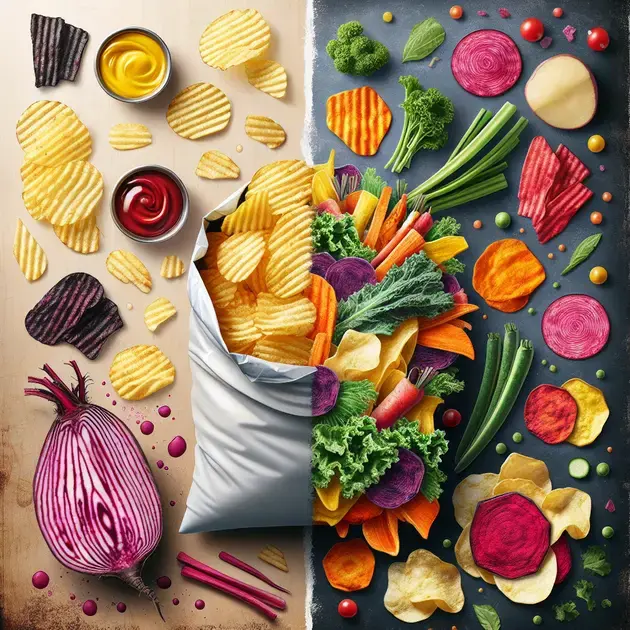
Homemade vegetable chips: 10 delicious recipes to satisfy your tastebuds


Homemade Vegetable Chips: A Delightful and Healthy Alternative to Satisfy Your Cravings

Title: “Homemade Vegetable Chips: A Delightful and Healthy Alternative to Satisfy Your Cravings”

Introduction:

For fitness enthusiasts, crunchy snacks are usually associated with healthier options like carrots and hummus. However, for the majority of people, this often entails indulging in a bag of fried potato chips. Unfortunately, consuming store-bought deep-fried foods, such as chips, poses a risk to our heart health due to their excessive oil content. In this article, we will explore the benefits of making homemade vegetable chips as a delicious alternative that can satisfy your tastebuds without compromising your well-being.

Why Store-Bought Chips May Be Harmful:

Store-bought chips are generally cooked using deep-frying techniques, which involves submerging the slices in hot oil until they turn crispy. This process significantly increases the oil content, making them unhealthy options for regular consumption. Excess oil intake has long been linked to cardiovascular diseases, raising concerns about the impact of fried snacks on our heart health.

The Healthful Charm of Homemade Vegetable Chips:

On the other hand, homemade vegetable chips offer a fantastic solution to this dilemma. By creating your own chips, you have the power to control the cooking method and ingredients used. Instead of deep-frying, you can opt for baking or air-frying techniques, minimizing the need for excessive oil. Additionally, you can experiment with a wide variety of vegetables, such as kale, sweet potatoes, zucchini, or beets, to create a colorful and flavorful assortment of chips.

Delicious and Nutritious Recipes to Try:

  1. Baked Kale Chips:

    Kale chips are not only incredibly easy to make but also packed with nutrients like vitamins A, C, and K. Simply toss bite-sized kale leaves in olive oil, sprinkle with sea salt, and bake until crispy. These guilt-free goodies are a delicious way to indulge your crunchy cravings.

  2. Crispy Sweet Potato Chips:

    Sweet potatoes provide a natural sweetness and a vibrant orange hue to your chips. Slice them thinly, lightly drizzle with olive oil, season with herbs and spices of your choice, and bake until crispy. These chips are rich in fiber, vitamin A, and antioxidants, making them a healthier choice compared to regular chips.

  3. Zesty Zucchini Chips:

    For a refreshing twist, try making zucchini chips. Slice zucchinis into thin rounds, toss them in a mixture of olive oil, lemon zest, garlic powder, and a pinch of cayenne pepper. Bake until golden and crispy. These chips are low in calories and high in vitamins and minerals, offering a satisfying crunch without the guilt.

Conclusion:

While store-bought fried chips may pose a threat to our heart health, homemade vegetable chips can be a nutritious and delectable alternative. By ensuring the right cooking techniques and utilizing a variety of vegetables, you can enjoy a satisfying snack while reaping the benefits of a healthier option. So, why not embark on the journey of creating your own tasty and nourishing vegetable chips? If you are into fitness, you probably think of crunchy snacks as being healthy, like carrots and hummus. However, for many people, it’s just a bag of fried potato chips. Consuming commercially-produced deep-fried snacks like chips can potentially raise your chances of developing heart disease because they contain excessive amounts of oil. But that doesn’t mean you have to give up on enjoying flavorful snacks altogether. In fact, we have compiled a list of 10 delicious recipes for homemade vegetable chips that will not only satisfy your cravings but also provide essential nutrients.


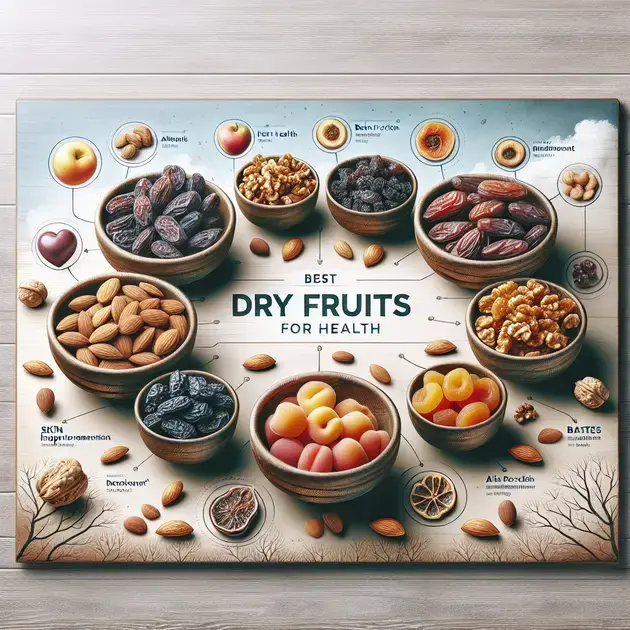
Best dry fruits for health: 8 top choices for your snack time


Best dry fruits for health: 8 top choices for your snack time.

Best dry fruits for health: 8 top choices for your snack time.

Dry fruits have long been praised for their health benefits. Packed with essential nutrients such as vitamins, minerals, fiber, and antioxidants, these little powerhouses can greatly contribute to our overall well-being.

One of the key advantages of consuming dry fruits is their ability to promote heart health. Studies have shown that regular yet moderate intake of these nutritious snacks can lower the risk of heart disease. This is mainly due to their high potassium content, which helps to regulate blood pressure and improve cardiovascular function.

Not only do dry fruits benefit our hearts, but they also work wonders for our skin. Their rich antioxidant content helps to combat free radicals and prevent oxidative damage, which in turn promotes a healthy and glowing complexion. Incorporating dry fruits into our diet can provide us with the necessary nutrients to enhance the skin’s elasticity and appearance.

Another incredible benefit of these dried wonders is their ability to boost brain function. The vitamins and minerals present in dry fruits play a crucial role in supporting cognitive function and improving memory. Regular consumption of them can help to enhance concentration and overall brain health.

If you struggle with low energy levels, adding dry fruits to your diet can be a game-changer. Packed with natural sugars and fiber, they provide a sustainable source of energy and help to combat fatigue. Snacking on them throughout the day can help you maintain high energy levels without experiencing sudden crashes.

Furthermore, dry fruits can also aid in fighting anemia. They are an excellent source of iron, which is essential for the production of red blood cells. Incorporating dry fruits into your meals can help to improve iron levels in the body and prevent symptoms of anemia such as fatigue and weakness.

In addition to all these benefits, dry fruits are known to improve digestion. Rich in dietary fiber, they can help to regulate bowel movements and prevent constipation. Including a variety of dry fruits in your diet can contribute to a healthy digestive system and promote overall gut health.

In conclusion, dry fruits are an excellent addition to any diet. Their nutrient-dense composition makes them a powerhouse of health benefits. From promoting heart health and glowing skin to boosting brain function and energy levels, these little gems have it all. So, the next time you’re reaching for a snack, consider grabbing a handful of dry fruits to enjoy the many advantages they offer.


Mastering Weight Loss: The Exact 1,615 Calorie Meal Plan That Transformed My Life


Weight Loss Journey

Achieving the Best Shape of My Life: A Journey Through Effective Meal Planning

Breakfast: The Foundation of the Day

A fulfilling breakfast sets the tone for an energized day. My morning meal consists of two large eggs, two whole wheat toasts, two teaspoons of light margarine, and two slices of smoked Black Forest ham. I specifically choose these ingredients not just for taste but for their nutritional value.

  • Eggs: Packed with protein and healthy fats, eggs provide essential nutrients to kickstart your metabolism.
  • Whole Wheat Toast: This complex carbohydrate source keeps my energy levels sustained through the day.
  • Smoked Ham: I opted for ham over bacon to increase protein while saving calories, a small but effective tweak that supports muscle maintenance and caloric reduction.

The total for this breakfast is 435 calories with 32 grams of protein. It’s a rich meal that fuels my morning workouts and keeps me satiated until lunch.

Lunch: Strategic Calorie Allocation

Lunch is typically light yet satisfying, totaling 157 calories with 18 grams of protein. This meal includes:

  • Plain Fat-Free Greek Yogurt: A creamy base that delivers protein and probiotics.
  • Frozen Blueberries: These are rich in antioxidants and add natural sweetness.
  • Cucumber Slices: A hydrating, low-calorie vegetable.
  • Lean Turkey Pepperoni: Offers a savory taste and additional protein.

I enhance the yogurt with sugar-free flavoring, which makes it delicious without the extra calories. Opting for high-volume, low-calorie foods allows me to save my calorie intake for more demanding parts of the day, such as pre- and post-workout meals.

Dinner: Flavorful and Satisfying

Dinner includes a low-calorie homemade pizza alongside three ounces of baby carrots, summing to 441 calories with 33 grams of protein. My pizza recipe includes:

  • Whole Wheat Tortilla: Serves as a nutritious and low-calorie pizza base.
  • Pasta Sauce: A frugal and flavorful alternative to store-bought pizza sauce.
  • Smoked Ham Slices: Chopped and spread for added protein.
  • Marble Cheese Slices: I use them sparingly for a creamy taste.

This dinner aligns my dietary goals with my palate’s desires. The combination of textures and flavors satisfies my cravings, and the preparation method ensures I never feel deprived.

Dessert: Balancing Indulgence with Nutrition

Dessert remains a crucial part of my daily intake. I alternate between protein ice cream and a Greek yogurt bowl, both equating to 367 calories and 33 grams of protein. My yogurt bowl includes:

  • Greek Yogurt Mixed with Protein Powder: A double whammy of protein to support muscle recovery.
  • Frozen Strawberries and Peaches: Fruits that add flavor and fiber.
  • Cereal and Caramel Syrup: Adds crunch and sweetness to round out the meal.
  • Milk Chocolate Chips: A small indulgence that keeps my sweet tooth satisfied.

This approach to dessert ensures that I remain full and content, minimizing the risk of late-night binges.

Late Night Snack: Sustaining Energy Levels

To avoid waking up ravenous, I include a late-night snack of Honey Nut Cheerios with Fairlife zero-calorie protein milk. This combination accounts for a quick 215 calories and provides protein and fiber to keep me full overnight.

Key Takeaways

  • Consistency is Crucial: Eating roughly the same meals daily saved time, reduced decision fatigue, and ensured nutritional adequacy.
  • Meal Timing: Allocating calories according to my hunger patterns helps fuel workouts and supports recovery.
  • Enjoyment and Fulfillment: Loving what you eat is fundamental for sustainability. I selected foods I enjoy that also align with my health goals.

This meal plan was central to my weight loss success and has remained integral to my ongoing fitness journey, helping me maintain my current physique and embrace a healthier, more fulfilling lifestyle.