Home Blog Page 100

Can Peptides Like BPC 157 Heal Meniscus Tears Without Surgery? Insights from Dr. David Guyer


Blog Article

When faced with an injury like a meniscus tear, the prospect of surgery can be daunting. As the c-shaped cartilage that cushions and stabilizes your knee, a torn meniscus often raises the question: can it heal without invasive procedures? In this blog post, we delve into the potential of peptides, specifically BPC 157, as a non-surgical option for healing. Dr. David Guyer, a triple board-certified orthopedic surgeon and expert in sports medicine and regenerative therapies, weighs in on this intriguing possibility. Drawing from his extensive knowledge and experience, Dr. Guyer explores whether these experimental peptides might offer hope for those looking to recover without going under the knife. Join us as we unpack the latest insights and examine the role of peptides in knee health.

The Role of the Meniscus and the Challenge of Healing

The knee joint plays a critical role in our daily functioning, and within it, the meniscus is particularly important. It serves as a shock absorber and stabilizer, cushioning the bones and allowing smooth motion. Unfortunately, the meniscus is vulnerable to tears and injuries, which are quite common, especially among athletes and active individuals. Traditional medical wisdom contends that meniscus tears do not heal on their own due to their limited blood supply, often necessitating surgical intervention.

Peptides and Their Potential: Spotlight on BPC 157

Recently, however, there has been growing interest in peptides—specifically BPC 157—as a potential alternative treatment. BPC 157, a peptide derived from the gastric juice, is believed to possess regenerative properties, sparking curiosity about its potential to heal soft tissue injuries like meniscus tears.

The allure of BPC 157 lies in its reported ability to promote healing and reduce inflammation. As peptides are short chains of amino acids that occur naturally in the body, they have the potential to interact with various bodily processes. In the case of BPC 157, proponents suggest that it could facilitate tissue repair and mitigate pain. However, it’s crucial to highlight that the FDA currently classifies BPC 157 as experimental, meaning its safety and efficacy are not yet fully established for medical use.

Challenges in Utilizing BPC 157 for Meniscus Tears

The central consideration is whether these peptides can deliver therapeutic benefits to the meniscus. Because the meniscus does not receive significant blood flow, its healing capacity is naturally constrained. This raises doubts about the ability of orally ingested or subcutaneously injected peptides to reach the intra-articular space of the knee, where they would need to exert their healing influence. Furthermore, even when BPC 157 is injected directly into the joint by healthcare professionals, there is scant scientific evidence to support its regenerative potential.

Expert Insights from Dr. David Guyer

Dr. David Guyer brings a measured perspective to this discussion. He acknowledges that while some patients and practitioners advocate for BPC 157 as a non-invasive treatment option, skepticism remains about its efficacy in truly regenerating meniscal tissue. Despite its experimental use for various orthopedic conditions, such as tendon injuries and ligament healing, the lack of rigorous, peer-reviewed studies casts doubt on its application for meniscus tears.

Exploring Alternative Regenerative Treatments

Instead, other regenerative therapies may hold more promise. Emerging treatments like platelet-rich plasma (PRP) injections, stem cells, and exosome therapy are gaining traction as potential alternatives to surgery. Each of these options seeks to harness the body’s natural healing mechanisms to repair damaged tissues. While evidence is still developing, these approaches are backed by a growing body of research, suggesting they could provide viable non-surgical treatments for meniscal injuries.

For those considering BPC 157 or other regenerative therapies, it is essential to consult with a qualified medical professional. Only through a thorough assessment of individual cases can a treatment plan be developed that aligns with specific needs and goals. Moreover, understanding the experimental nature and regulatory status of these treatments is key to making informed decisions.

Conclusion

In conclusion, while the exploration of BPC 157 as a healing agent for meniscus tears is intriguing, current evidence does not strongly support its effectiveness in this capacity. Patients seeking alternatives to surgery should consider consulting with experts who can guide them through the landscape of regenerative treatments. As research advances, we may yet uncover more robust, evidence-backed solutions that offer hope for natural healing and recovery. Until then, maintaining open communication with healthcare providers and staying informed about the latest developments is crucial for making informed choices about knee health and injury management.


Can BPC 157 Peptides Heal Meniscus Tears Without Surgery? Exploring Alternatives for Knee Recovery


Blog Article

When dealing with a meniscus tear, many individuals are eager to explore healing options that don’t involve surgery. This is particularly intriguing given the meniscus’s critical role as a shock absorber and stabilizer in the knee joint. A common belief is that meniscus tears, due to their limited blood supply, don’t heal easily on their own. However, recent discussions have centered around the potential of peptides, like BPC 157, as a non-invasive treatment alternative. In this blog, we delve into the science behind BPC 157, its proposed benefits, and its status as an experimental treatment according to the FDA. Join us as we explore whether this peptide truly offers a viable path to meniscus recovery without the need for surgical intervention.

The Meniscus and Its Challenges

The meniscus, a crucial component of the knee, functions as both a shock absorber and a stabilizer. Positioned strategically between the thighbone and the shinbone, this c-shaped cartilage can be found on the inside (medial) and outside (lateral) parts of the knee. Unfortunately, the meniscus is notorious for being susceptible to tears, particularly during high-impact activities or due to degeneration over time.

One of the primary challenges with meniscus tears is their limited ability to heal naturally. This is primarily because the meniscus lacks a significant blood supply. While the outer edges might receive some blood flow conducive to healing, the central regions remain avascular, making self-repair unlikely.

This predicament naturally leads to the exploration of alternatives to surgical intervention. Enter BPC 157, a peptide that has recently garnered attention due to its potential healing properties. Originating from the gastric juices of the human body, BPC 157 is hailed for its regenerative capabilities, particularly concerning musculoskeletal injuries.

The Science of BPC 157

  • Origin and Synthesis: BPC 157 is a peptide consisting of a chain of 15 amino acids. It is derived from the human gastric juice and is known for its potential to aid in healing various tissues.
  • Mechanism of Action: While the exact mechanisms remain under study, BPC 157 is believed to promote angiogenesis (formation of new blood vessels), which could theoretically aid in healing avascular regions like the meniscus. It also purportedly influences growth factor production and cellular communication.
  • Administration Methods: BPC 157 can be administered orally via capsules or through subcutaneous injections. Some practitioners even consider intra-articular injections directly into the knee joint.

Given these properties, BPC 157 prompts a tantalizing question: Could it facilitate meniscus healing without surgery?

Current Research and Real-World Application

While the theoretical benefits of BPC 157 are promising, the reality is that research specific to meniscus repair remains sparse. To date, there are scant clinical trials focusing directly on BPC 157’s effectiveness in human subjects with meniscus injuries. Much of the enthusiasm stems from animal studies and anecdotal evidence.

  • Animal Studies: Initial animal studies have shown promising results concerning tissue regeneration and anti-inflammatory effects. These results include accelerated healing of tendons and ligaments, suggesting potential for joint repair applications.
  • Human Data: Human data, especially peer-reviewed studies, is limited. This underscores the importance of treating any conclusions about BPC 157’s efficacy with cautious optimism.
  • Limitations and Cautions: The FDA currently classifies BPC 157 as an experimental compound. This status reflects the need for more rigorous scientific validation to ascertain its safety and effectiveness fully.

Considerations for Patients

For those contemplating BPC 157 as an alternative to surgery, several factors should be weighed:

  • Skepticism and Caution: It is vital to approach BPC 157 with a healthy dose of skepticism. Without robust clinical trials in humans, predicting its efficacy and safety for meniscus tears remains speculative.
  • Potential Role in Pain Management: While BPC 157 might not fully regenerate the meniscus, its anti-inflammatory properties could offer some relief from pain associated with meniscal injuries.
  • Consultation with Specialists: Engaging with medical professionals specializing in sports medicine or regenerative therapy can provide personalized guidance. Such discussions can explore the appropriateness of experimental treatments in the context of individual health profiles and injury specifics.

Exploring Other Regenerative Options

Aside from peptides, several other regenerative therapies are being explored for knee injuries:

  • Exosome Therapy: Utilizes vesicles derived from stem cells to promote tissue repair and reduce inflammation.
  • Stem Cell Therapy: Involves the injection of stem cells to promote regeneration within damaged tissues.
  • Platelet-Rich Plasma (PRP) Therapy: Entails using a concentration of the patient’s platelets to accelerate healing.

The decision to pursue such treatments should be informed by a thorough understanding of the current evidence, cost implications, and individual health considerations.

Ultimately, while BPC 157 offers an intriguing avenue and symbolizes the evolving landscape of regenerative medicine, it remains essential to emphasize the importance of well-rounded, evidence-based approaches to managing meniscus injuries. Whether or not this peptide becomes a mainstream treatment in the future, current evidence urges caution and a commitment to further research.

Conclusion

BPC 157 peptides are being explored as a non-surgical treatment for meniscus tears. Though promising, their efficacy and safety remain unproven in humans.


5 Must-Have Fashion Staples for Every Woman Over 40 to Look & Feel Fabulous


Fashion Essentials


Turning 40 doesn’t mean sacrificing style for comfort. In fact, it’s quite the opposite. It’s a time when fashion-savvy women can embrace the best of both worlds by choosing pieces that flatter, fit, and make them feel confident in their own skin. As our bodies evolve, the hunt for the perfect wardrobe staples becomes more refined, focusing on versatility, comfort, and chic silhouette-enhancing designs. After years of experimenting with countless styles, I’ve discovered five essential wardrobe pieces that are not only trendy but cater beautifully to every body type, making you feel fabulous inside and out. Join me as I delve into these must-have fashion gems that have transformed my relationship with style post-40, and learn how they can do the same for you.

1. Super High-Waisted Jeggings

Jeggings are the magical middle ground between jeans and leggings. With their stretchy fabric, they offer the comfort and flexibility we crave, hugging our bodies in all the right places. The super high-waisted style is a game-changer for those with loose skin or curves. The extra-high waistline tucks in any unwanted bits and accentuates the slimmest part of your waist, drawing eyes upward and highlighting your beautiful silhouette.

  • Provides a sleek, smooth look.
  • Supports and enhances your natural curves.
  • Offers versatility for any occasion, from casual to chic.

My personal favorite are the Next Level stretch jeggings from American Eagle. They cater to different body types with options for short sizing, ensuring they fit just right without awkward bunching at the ankles.

2. Good Quality High-Waisted Black Leggings

Black leggings are a wardrobe staple for a reason. They offer unparalleled versatility, allowing you to dress them up with a fancy top or keep it casual with a cozy sweater. The high-waisted variety is perfect for smoothing out the midsection, making them ideal for women who, like me, have experienced significant weight loss and now deal with loose skin.

  • Cheap leggings may be see-through and lose their shape quickly.
  • Quality leggings maintain their elasticity and are more durable.
  • They offer better coverage and support, making them perfect for pairing with shorter tops.

A trusted brand, like American Eagle’s Aerie line, offers durable leggings that hold their shape wear after wear.

3. Bodysuits

Bodysuits are fantastic for providing a streamlined, tucked-in appearance. Initially, I was skeptical about bodysuits, finding them uncomfortable. But after discovering the secret to size up, they became a wardrobe favorite. When paired with high-waisted jeggings or leggings, bodysuits create a seamless silhouette that can easily be dressed up or down.

  • They reduce bulk and bunching for a clean look.
  • Offer a flattering fit by skimming over curves.
  • Simple to layer or wear alone for a chic outfit.

A key tip is to choose a bodysuit that fits your largest area and consider sizing up for added comfort.

4. Off-the-Shoulder Tops

These tops are perfect for highlighting a beautiful feature—your shoulders! Off-the-shoulder styles draw attention upward, away from the midsection, creating a sense of balance in your outfit. Whether it’s a casual sweater or a more formal blouse, this style is universally flattering.

  • They provide a fresh, youthful look.
  • Versatile enough for day-to-night transitions.
  • Perfect for showcasing accessories like necklaces or earrings.

By focusing on areas you’re comfortable showcasing, off-the-shoulder tops distract from those areas you’d rather not emphasize.

5. Ankle Boots

The struggle with knee-high boots is real, especially for those with wider calves. Ankle boots are a stylish alternative that complements any leg shape and size. They are timeless, versatile, and comfortable, making them the perfect footwear choice for any day.

  • Universally flattering and suitable for all body shapes.
  • Available in endless styles and colors to suit your personal taste.
  • Block heels offer comfort without sacrificing style.

Pairing them with jeggings or leggings, these boots can make you feel stylishly put-together for errands or a night out.

Conclusion

Fashion after 40 can still be fun, expressive, and empowering. With these five essential pieces, dressing becomes an enjoyable exercise in self-expression rather than a daunting task. Remember, it’s not just about fashion—it’s about finding clothing that celebrates your unique body and makes you feel amazing every time you wear them.

As you embark on this journey of style and self-discovery, embrace these wardrobe staples, and let them remind you that every outfit can highlight the beauty of who you are today. Fashion is a lifelong adventure, and at 40, the best is yet to come.


5 Must-Have Fashion Pieces for Every Woman Over 40 to Feel Fabulous and Flawless


Fashion Pieces for Confidence and Comfort

Navigating the world of fashion can be a daunting task, especially as we grow older and our bodies undergo incredible transformations. As a lifelong fashion enthusiast who has experienced both significant weight loss and the natural changes that come with age, I’ve learned that style and comfort don’t have to be mutually exclusive. In this blog, we’ll explore five essential clothing pieces that every woman over 40 should own to feel confident, chic, and comfortable in her own skin. From super high-waisted jeggings that tuck in all the right places to versatile bodysuits that smooth over imperfections, these wardrobe staples are designed to enhance any body type while hiding those pesky insecurities. Join me as we delve into these transformative fashion finds that will have you embracing your unique beauty and striding through life with newfound confidence.

1. Super High-Waisted Jeggings

Jeggings are a delightful blend of jeans and leggings, offering comfort without sacrificing style. The super high-waisted design acts as a secret weapon for any woman looking to enhance her silhouette. Super high-waisted jeggings provide:

  • Support and Structure: By tucking in loose skin and smoothing the midsection, they create a defined waistline.
  • Versatility: Perfect for various occasions, from casual outings to a girls’ night out.
  • Emphasis on Curves: They draw attention to the narrowest part of the waist, complementing curves beautifully.

The stretch factor in jeggings ensures that they hug your body in all the right places, offering a comfortable yet flattering fit that you can wear all day long.

2. High-Waisted Black Leggings

Black leggings are a wardrobe staple that never goes out of style. Their high-waisted design not only streamlines your silhouette but also offers incredible flexibility in styling:

  • Universal Appeal: Black is slimming, versatile, and can be dressed up or down with ease.
  • Comfort: They provide the comfort of loungewear while looking suitably chic for a night out.
  • Durability: Investing in a good-quality pair ensures longevity and sustained fit, even after numerous wears and washes.

With a pair of trusty black leggings, you’ll find yourself effortlessly creating numerous outfits for every occasion.

3. Bodysuits

Bodysuits are a game-changer when it comes to achieving a clean, polished look. They offer:

  • Smooth Silhouette: Glide over imperfections and create a seamless line under skirts, pants, or jeans.
  • Layering Versatility: Perfect for tucking into high-waisted bottoms or pairing with blazer jackets for a sophisticated look.
  • Comfort: Opting for a larger size might offer better comfort, especially if you have a curvy frame.

The key is to choose styles that complement your body type and pair them with supportive bottoms for maximum impact.

4. Off-the-Shoulder Tops

Off-the-shoulder tops are a wonderful way to draw attention upward, showcasing your shoulders and de-emphasizing any areas you’d prefer not to highlight:

  • Flattering Necklines: They elongate the neck and can add a touch of elegance to any look.
  • Attention to Detail: Focuses on a universally flattering part of the body, shifting attention from the midsection.
  • Adaptability: Can be casual or dressy, depending on the material and paired accessories.

These tops are comfortable, stylish, and provide a touch of flare to any outfit, making them a delightful addition to your wardrobe.

5. Ankle Boots

Every fashionable woman over 40 needs a pair of ankle boots. They’re not only stylish but also practical:

  • Perfect Fit: Unlike knee-high boots, ankle boots are ideal regardless of calf size.
  • Comfortable Heel Options: Opt for block heels which provide stability and comfort throughout the day.
  • Pairing Options: Can be worn with jeggings, leggings, or even skirts for a trendy look.

Ankle boots are the perfect transitional shoe, taking you from season to season in style.

Embracing Body Changes with Style

Ultimately, the key to feeling fabulous over 40 is embracing the changes in your body and choosing pieces that reflect your personal style and comfort needs. It’s about wearing clothes that make you feel both confident and comfortable.

Remember, fashion is an individual journey, and these five staples are merely suggestions to guide you in enhancing your wardrobe. Each piece is selected to help you embrace your unique beauty, allowing you to navigate your 40s with grace, poise, and a touch of sass.

Let these pieces serve not only as items in your wardrobe but as confidence-enablers—providing both style and comfort as you step out into the world, embracing every moment, every change, and every aspect of the beautiful woman you are.


Could Peptides Be Your Knee’s Best Friend? Exploring BPC 157 for Meniscus Tears


Peptides and Meniscus Tears

When it comes to joint injuries, the meniscus tear is a common and often troublesome condition. This C-shaped cartilage located at both the inside and outside of the knee serves as a vital shock absorber and stabilizer for the knee joint. Unfortunately, these tears are notorious for their poor healing capabilities due to an insufficient blood supply. In most cases, surgical intervention is required to restore function and alleviate pain, especially in younger individuals who are more physically active. However, the potential for alternative treatments, such as peptides, is a topic of growing interest in the medical community.

One peptide that has garnered attention for its possible regenerative effects is Body Protection Compound 157 (BPC 157). BPC 157 is a short chain of amino acids naturally produced in the body, specifically in the gastric juices. It is believed to play a role in healing processes, and synthetic versions are available from approved compounding pharmacies. Despite its potential, BPC 157 remains an experimental treatment, with the FDA yet to approve it for medical use.

The Theoretical Benefits of BPC 157

Proponents of BPC 157 suggest that it might aid in healing due to its purported regenerative properties. It is thought to potentially support tissue repair and regeneration, reduce pain and inflammation, and improve recovery timelines. Yet, the evidence supporting these claims remains largely anecdotal, with limited scientific studies to back them up, especially regarding intra-articular issues like meniscus tears.

Current Medical Evidence and Skepticism

To date, there is no substantial body of peer-reviewed research that conclusively demonstrates the efficacy of BPC 157 for treating meniscus tears in humans. While some laboratory studies have shown promising results regarding tissue healing, these have not been sufficiently replicated in human trials. Injections into the joint space have also been met with skepticism, as there is doubt about the ability of the peptide to penetrate deeply enough into the knee joint to impart healing effects.

Potential Role as a Pain Reliever

Though BPC 157 might not heal a meniscus tear, it could potentially serve as a pain reliever. Pain management without opioids or invasive surgeries is a compelling draw for many patients with meniscal injuries, and peptides might offer a safer alternative for reducing inflammation and discomfort associated with these injuries.

Considering Other Regenerative Treatments

While peptides like BPC 157 remain largely unexplored in terms of solid medical evidence, other regenerative treatments have shown more promise. Some alternative therapies that have been more extensively studied include:

  • Exosomes: These small vesicles play a role in cell communication and can help stimulate healing. They are currently being explored for joint injuries, including meniscus tears.
  • Stem Cells: Derived from bone marrow or adipose tissue, stem cells have shown potential in regenerating damaged tissues, including cartilage.
  • Platelet-Rich Plasma (PRP): By concentrating platelets from your blood and injecting them into the injured area, PRP has been shown to support healing and reduce pain in some orthopedic conditions.

Discussion and Consultation with Medical Professionals

Before considering peptide therapy or any regenerative treatment, it’s imperative to engage in a detailed discussion with a healthcare professional who specializes in orthopedic injuries. These experts can offer guidance based on the latest research, potential risks, and how these treatments align with your specific health conditions and goals. It’s also critical to consider whether these experimental treatments are right for you, as they may not be suitable for everyone and often involve out-of-pocket expenses.

Dr. David Guyer, an orthopedic surgeon with expertise in sports medicine and regenerative therapies, stresses that each patient’s situation is unique, and careful consideration should be made before pursuing non-conventional options. Moving forward with peptide therapy or other regenerative approaches requires careful weighing of the current evidence, potential benefits, and associated risks.

In conclusion, while peptides like BPC 157 present an intriguing frontier in regenerative medicine, their role in healing meniscus tears remains largely unproven. Patients are encouraged to stay informed, consider all available options, and make decisions based on comprehensive consultations with knowledgeable healthcare providers. The journey to recovery involves not only healing the physical injury but also navigating the complex landscape of emerging medical treatments.

Exploring BPC 157 for meniscus tears: This peptide might aid healing but remains unproven in human studies. Before seeking alternatives, consult medical experts.


Can Peptides Like BPC 157 Help Heal Meniscus Tears Without Surgery? Here’s What You Need to Know!


Blog Article

When faced with a meniscus tear, the natural assumption might be that surgery is the only viable path to recovery. However, with advancements in medical science and the growing interest in less invasive treatments, peptides like BPC 157 have entered the conversation as potential alternatives. As a triple board-certified orthopedic surgeon, Sports Medicine specialist, and expert in anti-aging and regenerative medicine, I delve into the question many of you have asked: “Can BPC 157 aid in the healing of a meniscus tear?” While traditionally, these injuries have not been known to heal independently due to limited blood supply, the realm of regenerative medicine may offer some hope. In this blog, we’ll explore the role of BPC 157, consider its experimental nature as recognized by the FDA, and weigh its potential benefits against more established treatments. Whether you’re skeptical or intrigued, understanding these options could be crucial in managing your orthopedic health without resorting to surgery.

The Meniscus and Its Challenges

A torn meniscus is a common knee injury that can be particularly frustrating due to the limited self-healing capacity of the meniscal tissue. The meniscus, a C-shaped cartilage in the knee, functions as a shock absorber and stabilizer. Its location and lack of robust blood supply mean that when a tear occurs, the body’s natural ability to heal is significantly diminished.

The Complexity of Healing

The limited healing capability of the meniscus is due to several factors:

  • Lack of Blood Supply: Only the outer edges of the meniscus receive sufficient blood flow necessary for healing.
  • Mechanical Stress: Constant pressure and movement in the knee can inhibit the healing process.
  • Type and Location of Tear: Some tears may be more amenable to healing than others, depending on their type and location.

Given these challenges, patients and practitioners alike are often on the lookout for alternatives to surgery that might promote healing.

Peptides: Hope or Hype?

Enter BPC 157, a peptide derived from the body’s own gastric juice. Peptides are chains of amino acids that can influence various biological processes. In the context of BPC 157, it’s claimed to have healing properties, which is why it has sparked interest as a potential therapeutic agent for meniscus tears.

Currently, the FDA classifies BPC 157 as experimental, meaning that its safety and efficacy are not fully established. While some anecdotal reports and preliminary research suggest potential benefits, they fall short of offering conclusive evidence.

Potential Mechanisms of BPC 157

BPC 157 is believed to:

  • Enhance Cellular Repair: Some studies suggest that BPC 157 may assist in cellular repair and regeneration, promoting healing at the injury site.
  • Reduce Inflammation: By potentially reducing inflammation, BPC 157 might help alleviate pain associated with knee injuries.
  • Support Vascular Health: Improved vascular health could contribute to more effective nutrient delivery to the injury site, albeit indirectly.

Limitations and Skepticism

Despite these intriguing possibilities, skepticism remains, particularly regarding BPC 157’s ability to physically reach and impact the meniscus when administered orally or via injection. The intra-articular (within the joint) environment of the knee presents a significant barrier, and to date, there are no robust clinical trials demonstrating that BPC 157 or similar peptides have a substantial regenerative effect on meniscus tissue.

Alternatives and Considerations

While BPC 157 remains a topic of interest, it’s essential to explore and consider other, more established regenerative treatments:

  • Platelet-Rich Plasma (PRP) Therapy: Uses components derived from one’s blood to promote healing.
  • Stem Cell Therapy: Utilizes undifferentiated cells to regenerate damaged tissue.
  • Physical Therapy: Essential in strengthening surrounding muscles and enhancing joint mobility to support the healing process.

Personalized Approaches to Treatment

Deciding on the right course of treatment is highly individual. It requires considering factors like the tear’s type and location, the patient’s lifestyle, and the degree of knee stability desired. Open communication with healthcare providers and exploring emerging and established therapies can be empowering for patients navigating treatment options.

Engaging with Your Health Community

Communication and learning from others in similar situations can provide valuable insights. Sharing experiences and results (non-clinical) can offer support and foster deeper understanding, even if personal anecdotes should not replace evidence-based medical advice.

To conclude, while BPC 157 presents an interesting avenue in the exploration of non-surgical treatments for meniscus tears, it should be approached with cautious optimism. Until more rigorous studies offer clear evidence of its benefits and safety, patients should weigh all available options, prioritize discussions with qualified healthcare providers, and remain informed about evolving treatment landscapes. As science progresses, we may see new, proven solutions emerge for conditions like meniscus tears, enhancing both recovery outcomes and quality of life.


21 Pounds Down: The Exact Daily Meals That Transformed My Body and My Life


Weight Loss Journey

After shedding 21 pounds in just 13 weeks, I found myself in the best shape of my life, and now I’m here to spill the beans on how it all happened. Through careful planning and dedication, I managed to achieve my weight loss goals with a meal plan tailored to my needs. From hearty breakfasts to low-calorie lunches and satisfying dinners, I’ll walk you through every meal that played a crucial role in my transformation. Join me as I share the details of my daily menu, packed with the right balance of calories, protein, and flavor, that made all the difference in achieving my fitness dream. Whether you’re looking to lose weight, maintain your current physique, or simply tweak your eating habits, these insights might just inspire you to embark on your own journey towards a healthier, happier lifestyle.

My Daily Meal Plan

Embarking on a weight loss journey can be daunting, but with a strategic meal plan, it’s very much achievable. Let’s dive into the details of my daily eating habits, which helped me shed 21 pounds over 13 weeks, ultimately pushing me into the best shape of my life.

Breakfast

Starting with a hearty breakfast is crucial to my daily routine. Each morning begins with two large eggs, two slices of whole wheat toast, two teaspoons of light margarine, and two slices of smoked Black Forest ham. This combination provides me with 435 calories and 32 grams of protein. The whole wheat toast offers fiber, the eggs provide high-quality protein, and the ham adds a savory flavor, making the meal both filling and nutritious. Initially, my breakfast included a slice of bacon, but I later replaced it with the ham for higher protein content and fewer calories.

Lunch

Moving on to lunch, I prefer a minimalist yet satisfying meal. My midday meal consists of half a cup of plain fat-free Greek yogurt, half a cup of blueberries, and ten slices of cucumber. I also include lean turkey pepperoni for added protein. To sweeten the yogurt, I add half a teaspoon of sugar-free flavoring, which keeps the meal low in calories while still exciting my taste buds. This meal is only 157 calories but packs 18 grams of protein, balancing the low-calorie count with high-volume foods that keep me satiated throughout the afternoon.

Dinner

Dinner is another integral part of my regimen, as it helps me stay full and nourished after a long day. I make a low-calorie pizza using an ancient grains whole wheat tortilla, two tablespoons of pasta sauce, two and a half slices of smoked Black Forest ham, and one to one and a half slices of marble cheese. By air frying this concoction for five minutes, I create a delicious pizza-like meal that is both low in calories and high in protein. Paired with three ounces of baby carrots, this meal totals 441 calories and 33 grams of protein. The carrots are a convenient and nutritious side, requiring minimal preparation.

Dessert

Dessert is as important as the main meals in my daily diet. It’s essential to indulge occasionally to avoid any feelings of deprivation, which can lead to overindulgence. My dessert options vary between protein ice cream and a Greek yogurt bowl, each providing 367 calories and 33 grams of protein. The yogurt version comprises 3/4 cup of plain fat-free Greek yogurt, half a scoop of protein powder, 3/4 cup of frozen strawberries, 3/4 cup of frozen peaches, half a cup of cereal, and a drizzle of caramel syrup, topped with sprinkle milk chocolate chips. This sweet treat satisfies my cravings while delivering necessary nutrients.

Late-Night Snack

A late-night snack rounds out my day, vital for maintaining energy levels and staving off hunger pangs. I enjoy 1.5 cups of Honey Nut Cheerios with 2/3 cup of protein milk—preferably Fairlife, which has higher protein content than typical milk. This snack is delightful and keeps me full due to its blend of protein and fiber. Combining whole grains and protein-rich milk means I can indulge without exceeding my caloric intake for the day.

Nutritional Summary

All in all, my daily intake amounts to 1,615 calories, with a nutrient breakdown of 46 grams of fat, 171 grams of carbohydrates, and 129.5 grams of protein. While these macros are essential metrics, my primary focus is on staying within my calorie limit and ensuring adequate protein intake. My meals are designed for flavor, convenience, and nutrition, making it easier to adhere to a healthier lifestyle without the struggle of constant cravings or hunger.

Final Thoughts

The journey towards achieving your ideal weight is not just about losing pounds; it’s also about building a sustainable lifestyle that supports physical and mental well-being. By sticking to a structured yet flexible meal plan, you will find the process more manageable and rewarding. I hope these insights inspire you to create a balanced approach that works for your lifestyle and helps you meet your fitness goals without compromising on taste or satisfaction. Keep pushing forward, and remember that every step you take gets you closer to where you want to be!

Discover the daily meals that helped me shed 21 pounds in 13 weeks, with a balanced meal plan for effective weight loss without sacrificing taste or nutrition.


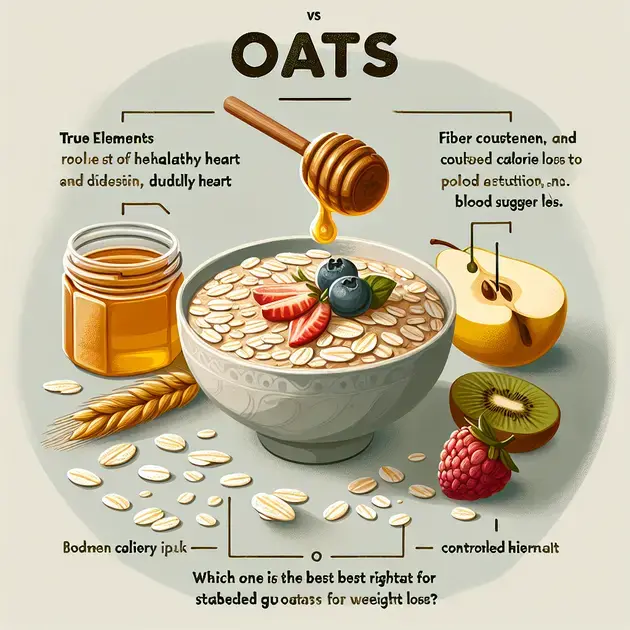
True Elements vs Yogabar: Which one is the best brand for oats for weight loss?

Oats are often included in weight loss diets due to their numerous health benefits. Choosing the right brand of oats is crucial for achieving weight loss goals. In this article, we will explore the factors to consider when selecting the best brand of oats for weight loss.

The article “True Elements vs Yogabar: Which one is the best brand for oats for weight loss?” provides a detailed comparison between two popular brands. Although the full content is not accessible, we can still gather insights from the title.

According to the article, True Elements and Yogabar are highly recommended brands for weight loss oats. To determine which brand is most suitable, it is important to evaluate their nutritional profiles, ingredients, and customer reviews.

When choosing oats for weight loss, it is crucial to consider their nutritional value. It is advisable to opt for brands that undergo minimal processing and do not contain added sugars or artificial additives. Whole grain oats are ideal as they retain the bran and germ, which are rich in nutrients.

Fiber content is another important factor to consider when selecting oats for weight loss. High-fiber oats are beneficial as they enhance satiety and help regulate bowel movements. Look for brands that offer oats with at least 3-4 grams of fiber per serving.

The taste and texture of the oats can also significantly impact adherence to a weight loss regimen. Personal preferences may vary, so reading customer reviews and trying small portions of different brands can help identify the one that suits you best.

Affordability is an important consideration as well. Weight loss journeys can be long-term, so choosing a brand that fits within your budget ensures sustainability.

In conclusion, oats are a versatile and nutritious breakfast option that can support weight loss efforts. Although the article “True Elements vs Yogabar: Which one is the best brand for oats for weight loss?” provides a comprehensive comparison, we have discussed the factors to consider when choosing the best brand of oats for weight loss. Remember to focus on nutritional value, fiber content, taste, and affordability to find the brand that meets your needs and preferences.

Cashew benefits: 7 surprising reasons why this dry fruit is good for you

Cashew Benefits: 7 Surprising Reasons Why This Dry Fruit is Good for You

We all know dry fruits are a great way to boost your health. Packed with nutrients, they are perfect for snacks, adding to meals, or just munching on throughout the day. From almonds to raisins, each one has its unique benefits. But did you know that cashews are one of the healthiest dry fruits you can consume?

Cashews, belonging to the Anacardiaceae family, are not actually nuts but rather seeds that adhere to the bottom of the cashew apple. They are native to Brazil but are now widely cultivated in various tropical regions around the world.

Here are seven surprising reasons why cashews are good for you:

  1. Heart-Healthy Fats: Cashews are rich in monounsaturated fats, which are considered heart-healthy fats. These fats can help lower bad cholesterol levels and reduce the risk of heart disease.
  2. High in Antioxidants: Cashews contain antioxidants such as tocopherols and phenolic compounds, which can help protect cells from damage caused by harmful free radicals. These antioxidants play a vital role in reducing inflammation and improving overall health.
  3. Good for Weight Management: Despite being calorie-dense, cashews can be beneficial for weight management. The combination of healthy fats, fiber, and protein in cashews can promote feelings of fullness and control hunger cravings, preventing overeating.
  4. Excellent Source of Minerals: Cashews are packed with essential minerals such as magnesium, copper, zinc, and phosphorus. These minerals play a crucial role in maintaining optimal bone health, nerve function, and support immune system function.
  5. Boosts Brain Function: Cashews are a rich source of vitamins and minerals that are essential for brain health. The high levels of magnesium and vitamin E in cashews may help improve cognitive function and reduce the risk of age-related neurodegenerative diseases like Alzheimer’s.
  6. Promotes Healthy Skin and Hair: Cashews contain nutrients like copper, zinc, and vitamin E, which are known to promote healthy skin and hair. These nutrients help in the production of collagen, elastin, and melanin, which contribute to healthy skin, hair growth, and protection against UV damage.
  7. Supportive of Digestive Health: The fiber content in cashews promotes digestive health by supporting regular bowel movements and preventing constipation. Additionally, cashews have prebiotic properties, which means they provide nourishment for beneficial gut bacteria.

Incorporating cashews into your daily diet can provide you with a variety of health benefits. So, next time you’re looking for a healthy snack option, reach for a handful of cashews. Your taste buds and your body will thank you! Remember to enjoy them in moderation as part of a balanced diet.

We all are aware of the benefits that dry fruits offer for our health. They are rich in nutrients and serve as a great option for snacks, enhancing meals, or simply as a tasty treat throughout the day. Almonds, raisins, and various others have their own individual advantages. However, did you know that cashews are considered one of the healthiest dry fruits? In this article, we will explore seven surprising reasons why cashews are beneficial for you.

Can Peptides Like BPC 157 Really Heal a Meniscus Tear Without Surgery? Dr. David Guyer Weighs In


Meniscus Tear Healing and Peptides

In the realm of orthopedic injuries, particularly meniscus tears, there’s a common belief that while these injuries don’t naturally heal on their own, surgical intervention is often the only viable solution. But what if there were non-surgical alternatives that held the promise of regeneration and recovery? Enter the controversial world of peptides, specifically BPC 157. In this installment of the “Ask the Doctor” series, Dr. David Guyer, a renowned orthopedic surgeon and sports medicine specialist, dives into whether this experimental peptide can truly aid in healing a meniscus tear. While its potential as a pain reliever is acknowledged, the evidence for its regenerative capacity remains scant. Join us as we explore the scientific underpinnings of BPC 157 and discuss whether it’s a game-changer or just another hyped-up treatment in the world of sports medicine.

The Challenge of Healing a Meniscus Tear

A meniscus tear can be an incredibly frustrating injury, especially for athletes and active individuals who rely heavily on knee function and stability. The meniscus serves as a shock absorber and stabilizer for the knee, making its role crucial in maintaining knee health and function. Given the limited blood supply to the meniscus, healing without surgical intervention can be challenging. However, the rise of regenerative medicine and peptides like BPC 157 has sparked interest in non-surgical alternatives.

Understanding BPC 157

BPC 157, a peptide derived from a naturally occurring protein in the gastric lining, has been touted for its potential regenerative and healing capabilities. In theory, peptides like BPC 157 can promote cellular repair and growth, offering a beacon of hope for those seeking non-surgical recovery options.

The Experimental Status of BPC 157

Despite its potential, BPC 157 is still considered experimental by the FDA. This status suggests that while it shows promise, more rigorous scientific studies are needed to establish its efficacy, particularly in human trials concerning meniscus tears.

Current Understanding of BPC 157’s Role

  • Lack of Blood Supply: One of the main challenges in healing a meniscus tear is its limited blood supply. Without adequate blood flow, the body’s natural healing processes are significantly hampered. BPC 157’s supposed benefits in enhancing blood flow and healing remain largely unproven in the context of meniscus tears.
  • Modes of Administration: BPC 157 is typically available in oral or subcutaneous injection forms. Administering it as a capsule or injection poses a challenge in ensuring that the peptide reaches the intraarticular space of the knee, where it could potentially exert a therapeutic effect. Even when injected directly into the knee by a physician, its regenerative efficacy remains scientifically unsubstantiated.
  • Pain Relief vs. Regeneration: While BPC 157 may have some role in alleviating pain, its regenerative properties are less clear. For patients seeking symptomatic relief from meniscus tears, it may offer some benefit as a pain management tool rather than a healing agent.
  • Alternative Regenerative Treatments: Other regenerative treatments, such as exosomes, stem cells, and Platelet-Rich Plasma (PRP), have been extensively studied and show more promise in promoting tissue repair and regeneration. While peptides like BPC 157 are still in the early stages of research, these alternatives might provide more immediate options for those looking to avoid surgery.
  • Human Studies on BPC 157: Currently, there’s a paucity of human studies confirming the regenerative benefits of BPC 157 for specific injuries like meniscus tears. Most available data comes from animal studies or anecdotal accounts, which cannot be reliably extrapolated to human subjects without further research.

Considering BPC 157 with Caution

While the allure of peptides like BPC 157 as a non-invasive repair modality is compelling, it’s crucial to approach them with caution, given their experimental status. Patients must weigh the potential benefits against the current lack of scientific backing.

Consulting Healthcare Professionals

For those suffering from orthopedic injuries, exploring alternatives to traditional surgical interventions can be part of a comprehensive treatment approach, especially if they align with one’s lifestyle and treatment goals. Furthermore, it is vital for patients to consult with healthcare professionals to discuss potential risks and benefits, including any experimental treatments. A well-rounded discussion that includes options like surgery, physical therapy, regenerative medicine, and experimental treatments like peptides can help individuals make informed choices about their knee health.

Remaining Open to Emerging Research

In the evolving landscape of sports medicine and regenerative therapies, ongoing research is paramount. Until more conclusive studies are available, BPC 157 should be viewed as a potential, albeit experimental, part of the broader toolkit for managing knee injuries. Engagement with the topic doesn’t end here. Dr. Guyer encourages individuals to seek professional consultations for personalized medical advice and to remain informed by subscribing to channels or newsletters that provide updates on such evolving treatments.

Conclusion

In conclusion, while BPC 157 represents an intriguing possibility in orthopedic care, its application in healing meniscus tears remains largely unproven. Patients and medical practitioners must continue to rely on evidence-based treatments and remain open to emerging research that might shape the future of meniscus injury management.