
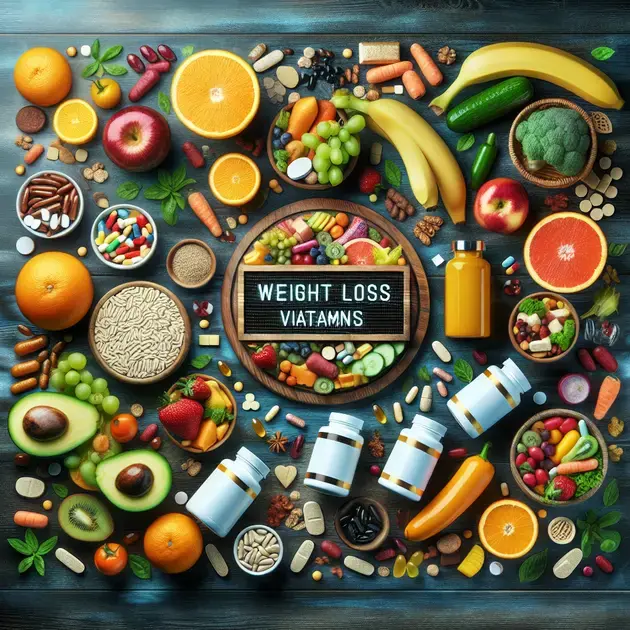
Looking to shed some pounds? Incorporating weight loss vitamins into your daily routine could be the missing piece in your journey towards a healthier lifestyle. These essential nutrients not only support your metabolism but also help your body function optimally as you work towards your fitness goals.
Recent studies have shown that certain weight loss vitamins, such as vitamin D, C, and B complex, play a crucial role in regulating weight and promoting fat loss. By understanding the benefits of these vitamins and how they work in synergy, you can maximize your efforts in achieving long-term weight loss success.

Boost Your Weight Loss Journey with Essential Vitamins
When it comes to boosting your weight loss journey, essential vitamins play a crucial role in supporting your overall health and metabolism. One important step is to ensure you are getting an adequate intake of Vitamin D, Vitamin C, and B Complex vitamins. These vitamins can help enhance your energy levels, optimize nutrient absorption, and regulate your metabolism.
To start, you can incorporate Vitamin D into your daily routine by spending time outdoors in the sunlight, as sunlight is a natural source of Vitamin D. If you prefer a supplement, you can easily find Vitamin D supplements at your local pharmacy or health food store. Consider using apps like MyFitnessPal or Lose It! to track your Vitamin D intake and ensure you are meeting your daily requirements.
Next, Vitamin C is essential for supporting your immune system and promoting healthy skin. You can increase your Vitamin C intake by incorporating more fruits and vegetables such as oranges, strawberries, and bell peppers into your diet. Additionally, consider using a meal planning app like Mealime or Yummly to discover new recipes rich in Vitamin C.
Lastly, B Complex vitamins, including B1, B2, B3, and B6, play a vital role in converting food into energy and supporting brain function. You can find B vitamins in foods like whole grains, eggs, nuts, and leafy greens. To ensure you are getting enough B vitamins, consider using a nutrition tracking app like Cronometer or MyPlate to monitor your daily intake.
By incorporating these essential vitamins into your daily routine and utilizing apps to track your intake, you can boost your weight loss journey and support your overall health.
The Role of Vitamin D, C, and B Complex in Weight Regulation
Vitamins D, C, and B Complex play a significant role in weight regulation by supporting various metabolic functions in the body. Vitamin D, often referred to as the “sunshine vitamin,” helps regulate insulin levels, which can impact weight management. Incorporating Vitamin D-rich foods such as fatty fish, fortified dairy products, and egg yolks can help maintain optimal Vitamin D levels.
Vitamin C is another crucial vitamin that aids in weight regulation by supporting the production of carnitine, a compound that helps the body convert fat into energy. You can increase your Vitamin C intake by consuming citrus fruits, strawberries, and kiwi. Consider using websites like Healthline or WebMD to learn more about the benefits of Vitamin C in weight management.
Additionally, B Complex vitamins play a role in metabolizing carbohydrates, fats, and proteins, which are essential for maintaining a healthy weight. Foods like lentils, avocados, and bananas are rich sources of B vitamins. Explore nutrition websites such as Eat This, Not That! or Verywell Fit for tips on incorporating B Complex vitamins into your diet.
Overall, ensuring you have adequate levels of Vitamin D, C, and B Complex in your diet can support weight regulation and metabolic functions, ultimately helping you achieve your weight loss goals.
Maximizing Weight Loss Success with Synergistic Vitamins
Maximizing your weight loss success involves not only incorporating individual vitamins but also understanding how different vitamins work together synergistically to support your overall health and weight loss efforts. By combining Vitamin D, C, and B Complex vitamins, you can create a powerful synergy that enhances metabolism, energy levels, and nutrient absorption.
To maximize your weight loss success with synergistic vitamins, consider creating a balanced meal plan that includes a variety of foods rich in these vitamins. Websites like Cooking Light and EatingWell offer meal ideas and recipes that focus on incorporating essential vitamins for weight loss.
Furthermore, incorporating a daily vitamin supplement that contains Vitamin D, C, and B Complex vitamins can help ensure you are meeting your daily nutritional requirements. Look for reputable brands like Nature Made or Rainbow Light and consider using online platforms like Amazon or Vitacost to purchase your supplements.
Remember to consult with a healthcare provider or nutritionist before making any significant changes to your diet or supplement routine. With the right combination of synergistic vitamins and a healthy lifestyle, you can maximize your weight loss success and achieve your wellness goals.
The Importance of Micronutrients for Healthy Weight Management
Micronutrients play a crucial role in supporting various bodily functions, including metabolism and overall health. When it comes to managing a healthy weight, ensuring adequate intake of essential vitamins and minerals is essential. These micronutrients, such as vitamins A, C, D, and E, as well as minerals like magnesium and zinc, help regulate metabolism, energy production, and cellular processes that can impact weight management.
For example, vitamin D is essential for the proper functioning of hormones involved in weight regulation, while vitamin C acts as an antioxidant that can help combat oxidative stress, which may contribute to weight gain. Ensuring that you consume a balanced diet rich in micronutrients can support your weight management goals and overall well-being.
Studies have shown that micronutrient deficiencies can lead to metabolic imbalances that may hinder weight loss efforts. By incorporating a variety of nutrient-dense foods into your diet, you can help ensure that your body has all the necessary tools to maintain a healthy weight and optimize metabolism.
Additionally, micronutrients can also help support other aspects of weight management, such as appetite regulation and energy levels. For example, minerals like chromium and magnesium play a role in glucose metabolism and insulin sensitivity, which can impact hunger and cravings.
In conclusion, paying attention to your micronutrient intake is crucial for healthy weight management. By including a variety of fruits, vegetables, whole grains, and lean proteins in your diet, you can provide your body with the essential vitamins and minerals it needs to support your weight loss goals.
How Antioxidant Vitamins Can Support Your Weight Loss Goals
Antioxidant vitamins, such as vitamin A, vitamin C, and vitamin E, play a key role in protecting cells from oxidative damage caused by free radicals. These free radicals can contribute to inflammation, which may impact weight loss efforts and overall health. By consuming a diet rich in antioxidant vitamins, you can help support your body’s natural defense mechanisms and promote healthy weight management.
For example, vitamin C is a powerful antioxidant that can help reduce oxidative stress and inflammation in the body, potentially aiding in weight loss. Similarly, vitamin E acts as a fat-soluble antioxidant that can protect cell membranes and lipids from damage, which is important for overall health and metabolism.
Studies have shown that individuals with higher intakes of antioxidant-rich foods may have an easier time managing their weight compared to those with lower intakes. Including foods like berries, leafy greens, nuts, and seeds in your diet can help ensure that you are getting an adequate amount of antioxidant vitamins to support your weight loss goals.
Antioxidant vitamins can also help support your immune system and overall well-being, which is important when focusing on weight management. By consuming a variety of colorful fruits and vegetables, you can provide your body with the antioxidants it needs to thrive and support your weight loss efforts.
In summary, incorporating antioxidant vitamins into your diet can have a positive impact on your weight loss goals. By choosing a wide range of nutrient-dense foods, you can ensure that you are getting the antioxidant support your body needs to maintain a healthy weight and promote overall wellness.
Enhancing Weight Loss Efforts with Essential Mineral Supplements
Essential minerals, such as magnesium, zinc, and chromium, are vital for various physiological functions in the body, including metabolism and energy production. These minerals play a key role in supporting weight loss efforts by assisting in nutrient absorption, hormone regulation, and metabolic processes that can impact body composition.
For example, magnesium is essential for over 300 enzymatic reactions in the body, including those involved in energy production and protein synthesis. Zinc is important for immune function and cell growth, while chromium helps regulate blood sugar levels and may aid in appetite control.
Studies have shown that individuals who are deficient in essential minerals may have a harder time losing weight and maintaining a healthy body composition. By supplementing with high-quality mineral supplements, you can help ensure that your body has all the necessary nutrients to support your weight loss goals.
Incorporating mineral-rich foods, such as nuts, seeds, whole grains, and legumes, into your diet is also crucial for obtaining essential minerals that support weight management. These foods not only provide minerals but also offer other beneficial nutrients that can aid in weight loss and overall health.
In conclusion, essential mineral supplements can be a valuable addition to your weight loss journey. By consulting with a healthcare provider or nutritionist, you can determine which minerals may benefit you the most and develop a plan to enhance your weight loss efforts effectively.
Conclusion
Ensuring an adequate intake of micronutrients is paramount for healthy weight management. Micronutrients, such as vitamins A, C, D, and E, along with minerals like magnesium and zinc, play crucial roles in regulating metabolism, energy production, and cellular processes that influence weight. Studies emphasize the correlation between micronutrient deficiencies and metabolic imbalances that can hinder weight loss efforts. By incorporating a diverse range of nutrient-dense foods into your diet, you can equip your body with the essential tools needed to maintain a healthy weight and optimize metabolism.
Antioxidant vitamins, including vitamin A, C, and E, serve as protective shields against oxidative damage caused by free radicals. These antioxidants aid in reducing inflammation, thus supporting weight loss endeavors and overall health. Increasing the consumption of antioxidant-rich foods like berries, leafy greens, nuts, and seeds can enhance your body’s natural defense mechanisms and promote healthy weight management. By nourishing your body with a spectrum of colorful fruits and vegetables, you provide the necessary antioxidants for thriving health and successful weight loss.
Furthermore, essential minerals such as magnesium, zinc, and chromium are vital for various physiological functions linked to metabolism and energy production. These minerals actively support weight loss initiatives by bolstering nutrient absorption, hormone regulation, and metabolic processes affecting body composition. Incorporating mineral-rich foods like nuts, seeds, whole grains, and legumes into your diet, along with high-quality mineral supplements, can help combat deficiencies that may impede weight loss goals. Consulting with healthcare professionals to determine the best mineral supplements for your needs will further enhance your weight loss journey.