
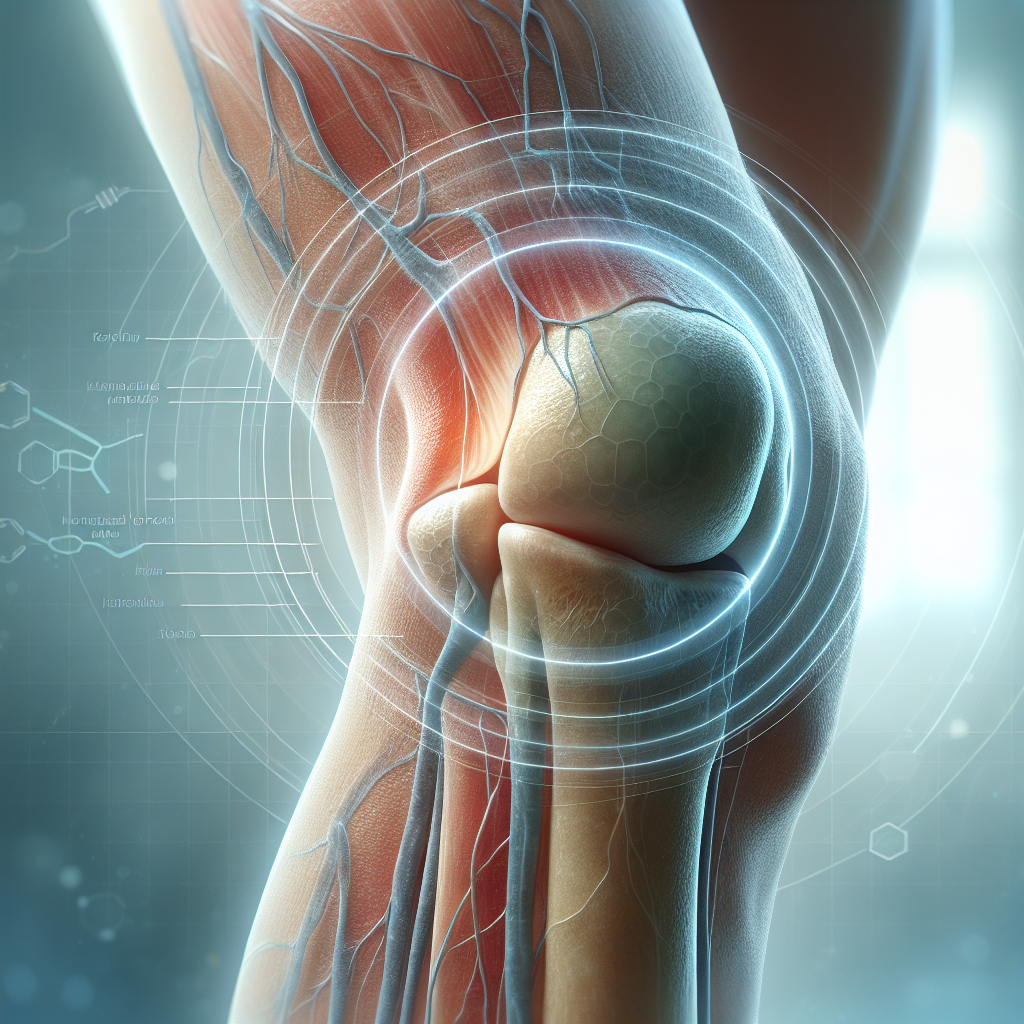
When you experience swelling localized to the back of the knee, it’s natural to wonder what might be going on beneath the surface. While general knee swelling often indicates more widespread injuries like ACL tears, swelling isolated to the back could signal a different set of issues. In this blog, we delve into the insights shared by Dr. David Guyer, a reputable orthopedic surgeon and sports medicine expert, as he explores the potential causes of this specific type of swelling. From meniscus tears to Baker’s cysts, Dr. Guyer sheds light on the conditions that may be affecting your knee and discusses when it might be time to seek further medical evaluation. Whether you’re dealing with discomfort or simply curious, understanding these possibilities can guide you on the path to better knee health.
Meniscus Tears
Swelling localized at the back of the knee can be perplexing, especially when the rest of your knee remains relatively normal. This subtle but noticeable swelling can be attributed to a few key factors. In the orthopedic world, these conditions often signify underlying issues that could range from mild to serious. Understanding these causes can help guide you in seeking appropriate medical advice and treatment.
A meniscus tear is one of the common culprits of swelling at the back of the knee. The menisci are two crescent-shaped cartilage pieces in your knee that act as shock absorbers between your thigh bone (femur) and shin bone (tibia). They can tear due to trauma or degenerative changes.
- Signs of Meniscus Tear: Often, a tear in the posterior horn (back part) of the meniscus can lead to swelling localized to the back of the knee. This type of swelling might not be extensive, but it can be persistent and uncomfortable.
- Symptoms: Apart from swelling, symptoms may include pain, a popping sensation, the knee giving way, or difficulty moving the knee fully.
- Prevention and Care: Maintaining strong leg muscles and flexibility can help support knee health and prevent tears. If you suspect a tear, it is crucial to consult a healthcare professional for an accurate diagnosis and personalized treatment options, which might include physical therapy or, in some cases, surgery.
Baker’s Cyst
Also known as a popliteal cyst, a Baker’s cyst is another potential cause of swelling behind the knee. It occurs when synovial fluid, which lubricates the knee joint, accumulates in a bulging sac behind the knee.
- Formation: A Baker’s cyst often arises due to underlying conditions like a meniscus tear or arthritis, where excess fluid production leads to this cystic formation.
- Symptoms: The presence of a noticeable lump behind the knee, tightness, and restricted movement are common indicators.
- Management: While small cysts may be painless and go away on their own, larger ones might require intervention such as aspiration to remove fluid or treatment of the underlying cause.
Arthritis
Arthritis in the knee joint, particularly osteoarthritis, can lead to swelling in various parts of the knee, including the back.
- Wear and Tear: Arthritis signifies the breakdown of cartilage, leading to pain and swelling. The posterior aspect of the knee might be particularly affected due to the wear and tear occurring at the back of the femur and tibia.
- Symptoms: Joint stiffness, especially in the morning, swelling, and discomfort during activities are typical arthritis symptoms.
- Approach: Managing arthritis involves a combination of lifestyle changes, such as maintaining a healthy weight, exercise, and possibly medications or injections to reduce pain and inflammation.
Other Considerations
While meniscus tears, Baker’s cysts, and arthritis are the most common causes of swelling behind the knee, it’s essential to consider other possibilities:
- Infections: Although rare, infections in the knee joint can cause swelling and warrant immediate medical attention.
- Blood Clots (Deep Vein Thrombosis): A clot in the leg veins can sometimes manifest as swelling behind the knee, often accompanied by pain and discoloration.
When to Seek Medical Advice
Localized swelling should not be ignored, especially if accompanied by pain, restricted movement, or it doesn’t improve with rest and over-the-counter measures. A healthcare provider can perform a thorough assessment that might include physical examinations, imaging studies like an MRI, or ultrasounds to determine the exact cause and appropriate treatment.
- Diagnosis: Getting a precise diagnosis is key to effective treatment. Once a cause is identified, your doctor can recommend the most suitable interventions, be it conservative management or surgical options.
- Specialist Consultation: For persistent or debilitating symptoms, consulting a specialist such as an orthopedic surgeon or sports medicine doctor like Dr. David Guyer can provide insights into advanced treatment possibilities, including regenerative medicine or minimally invasive surgical techniques.
Understanding the possible causes of swelling at the back of the knee empowers you to take informed steps towards recovery and prevention. While the swelling might signal something minor, it’s crucial to be proactive in managing your knee health. Remember, early intervention can prevent further complications and help you maintain optimal mobility and comfort.